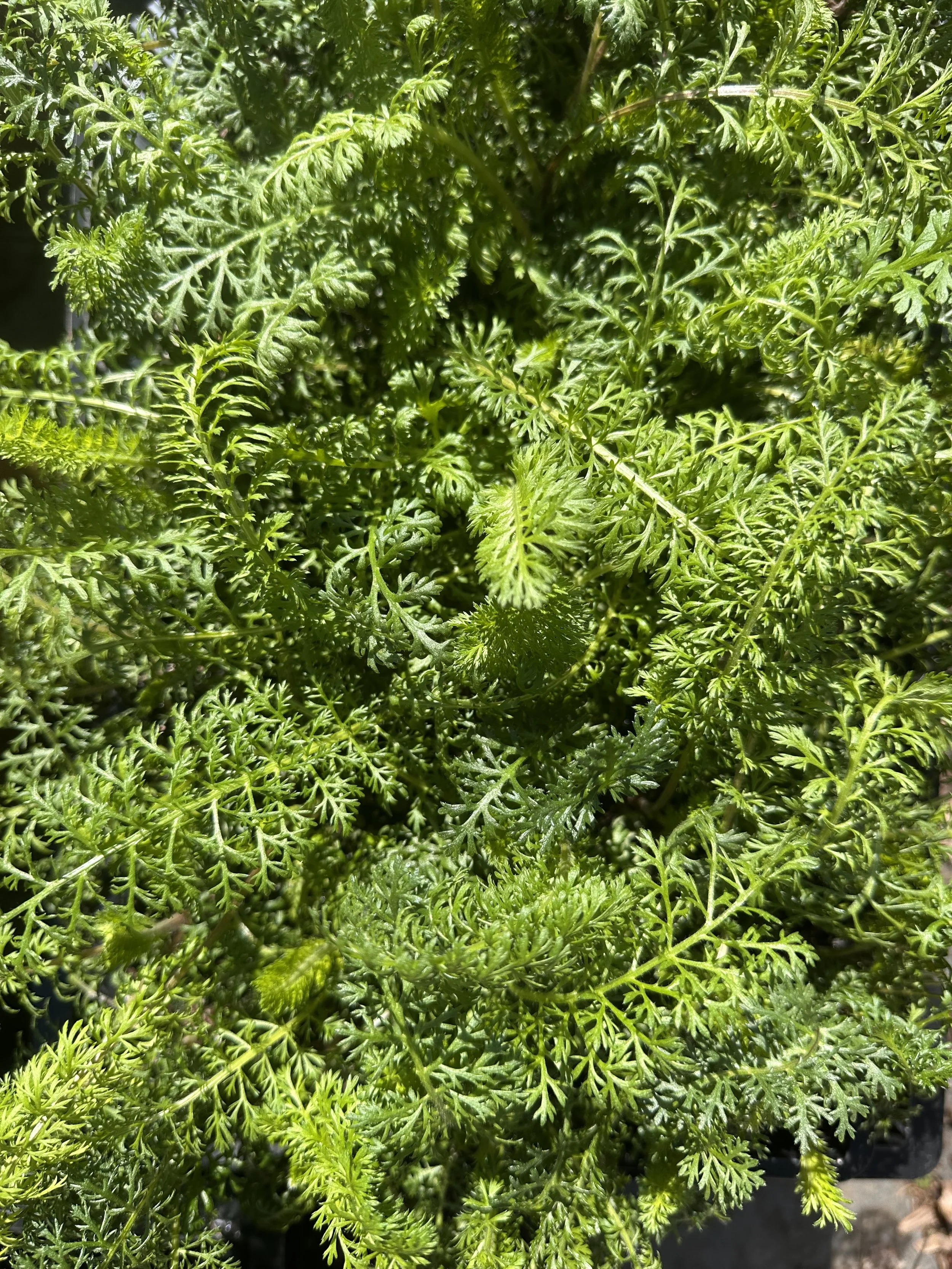
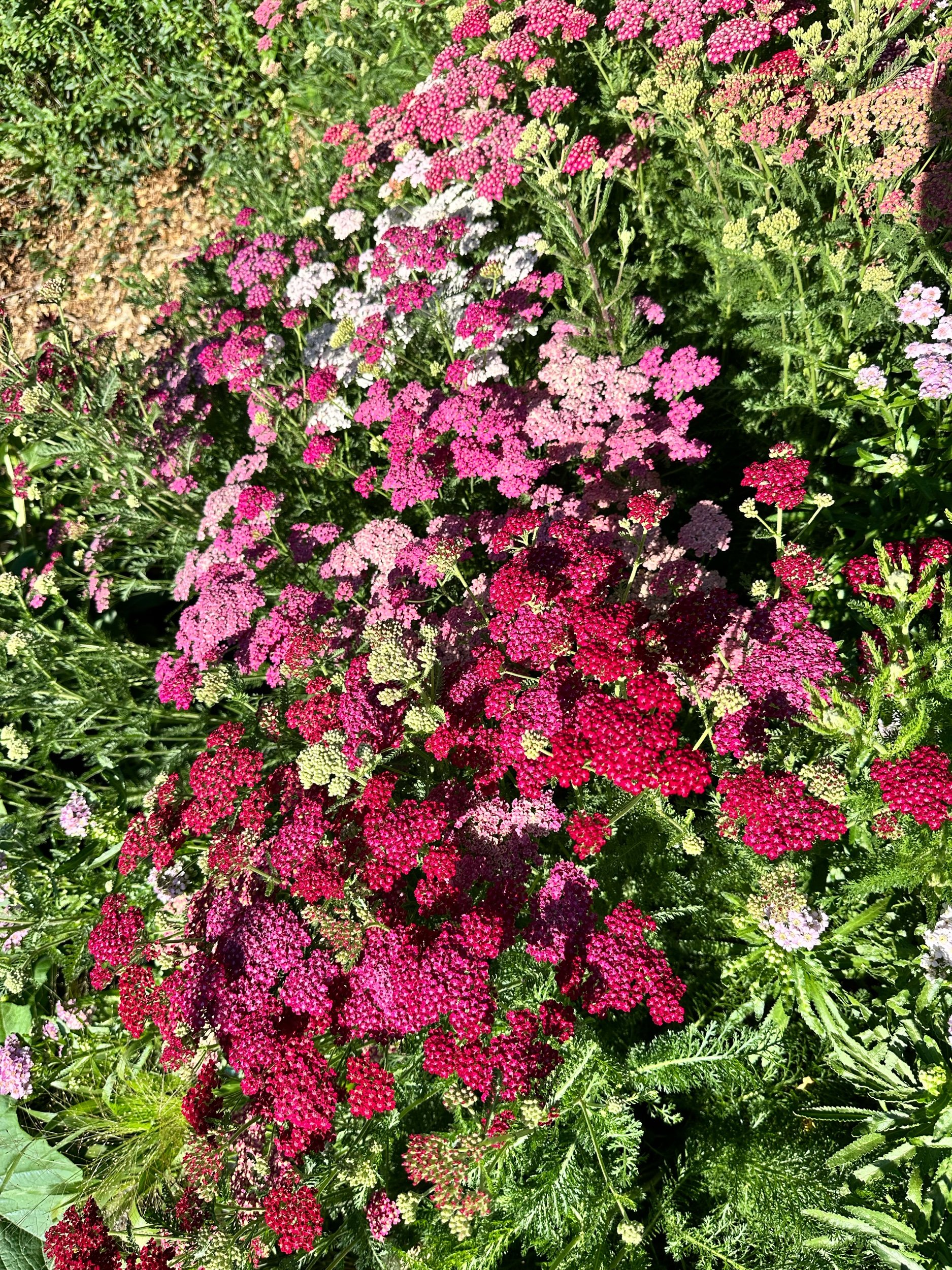
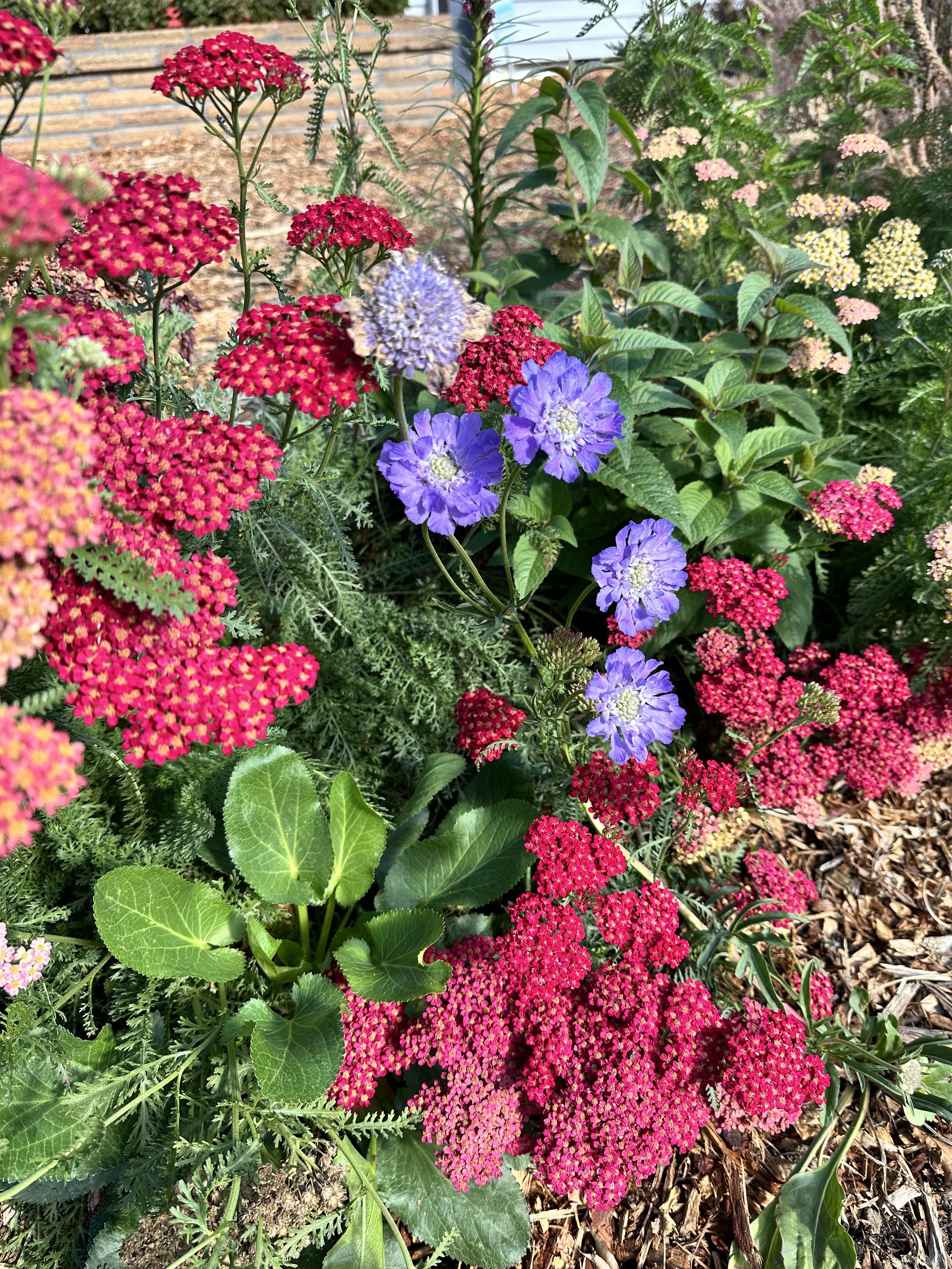
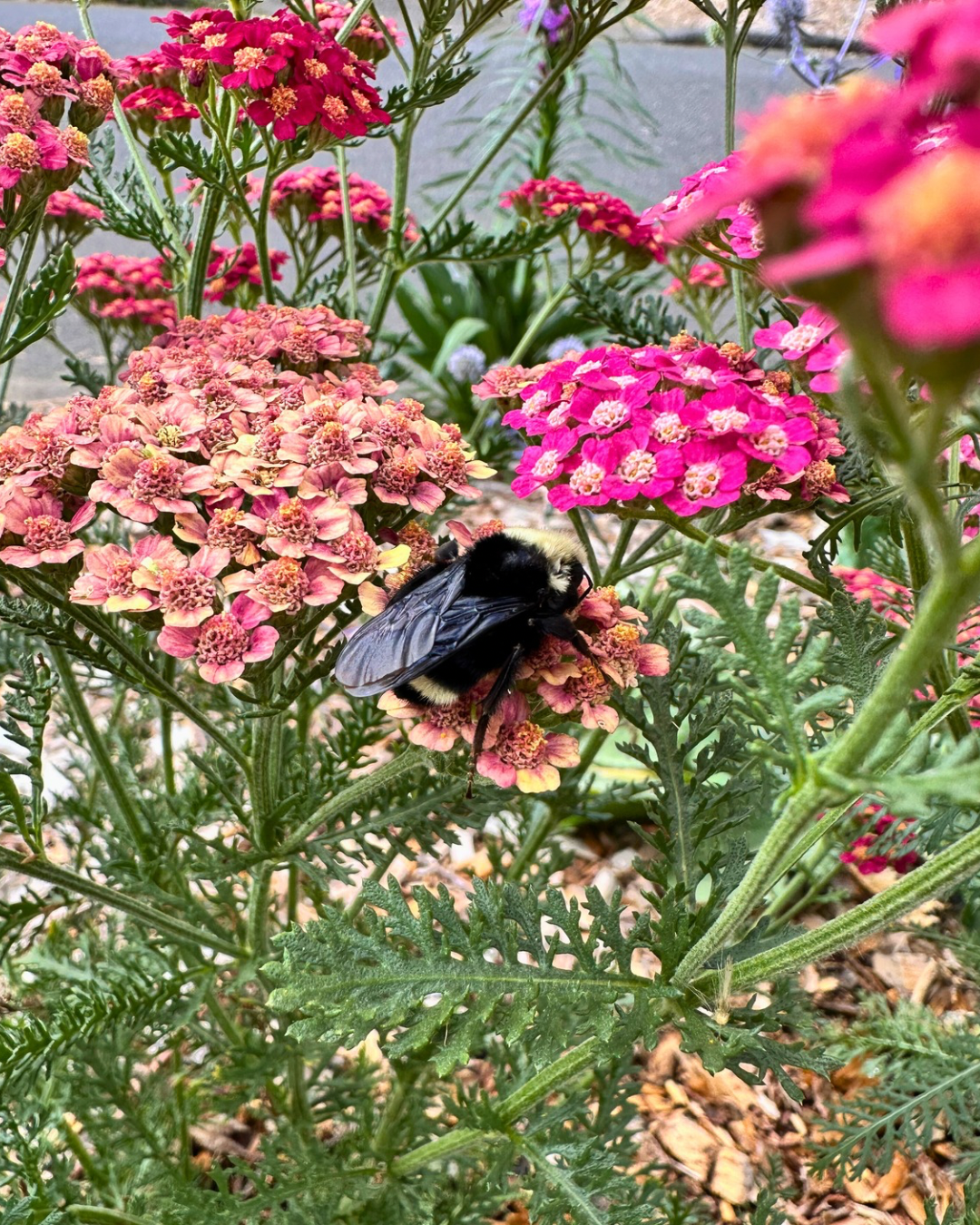
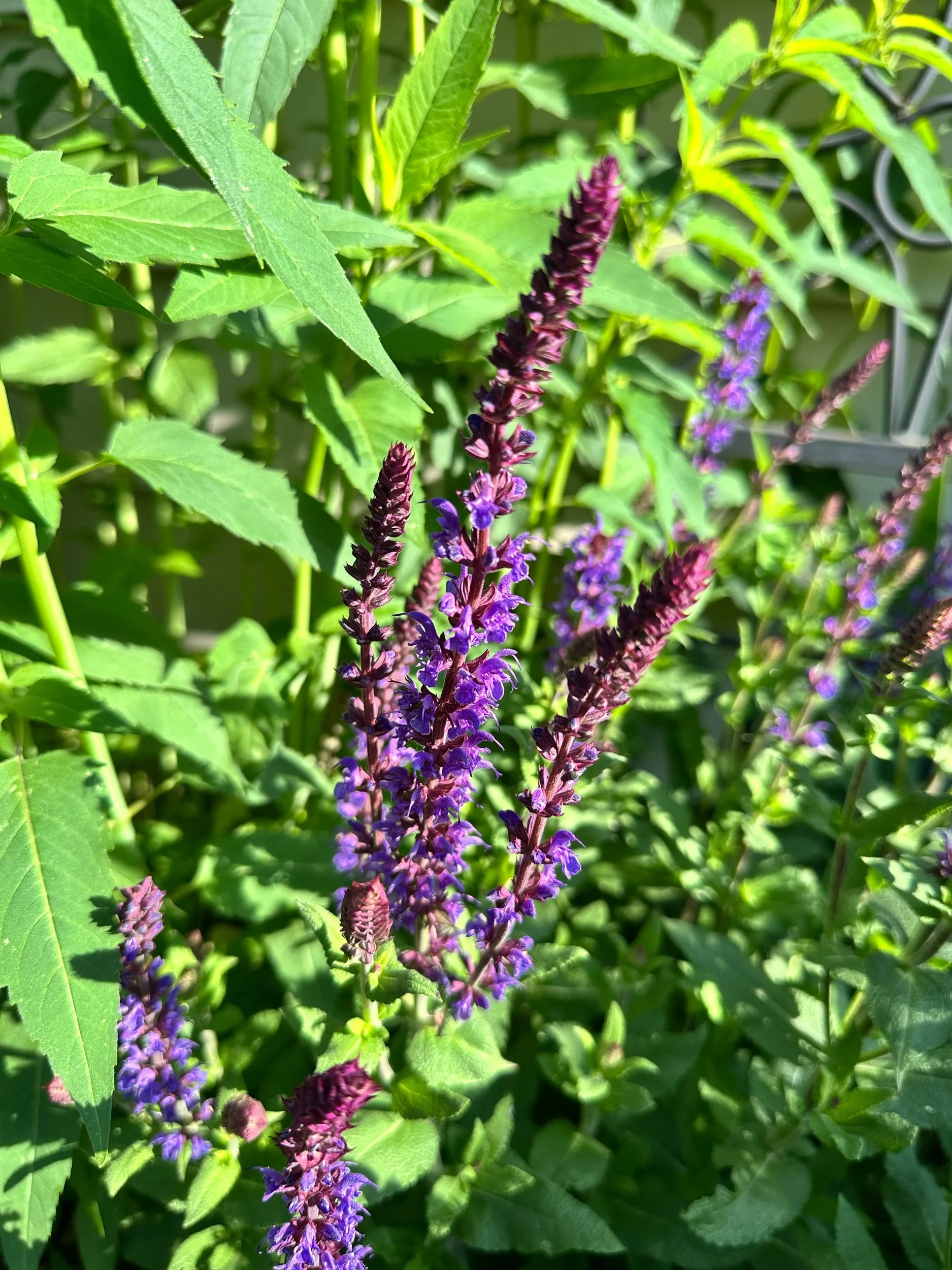
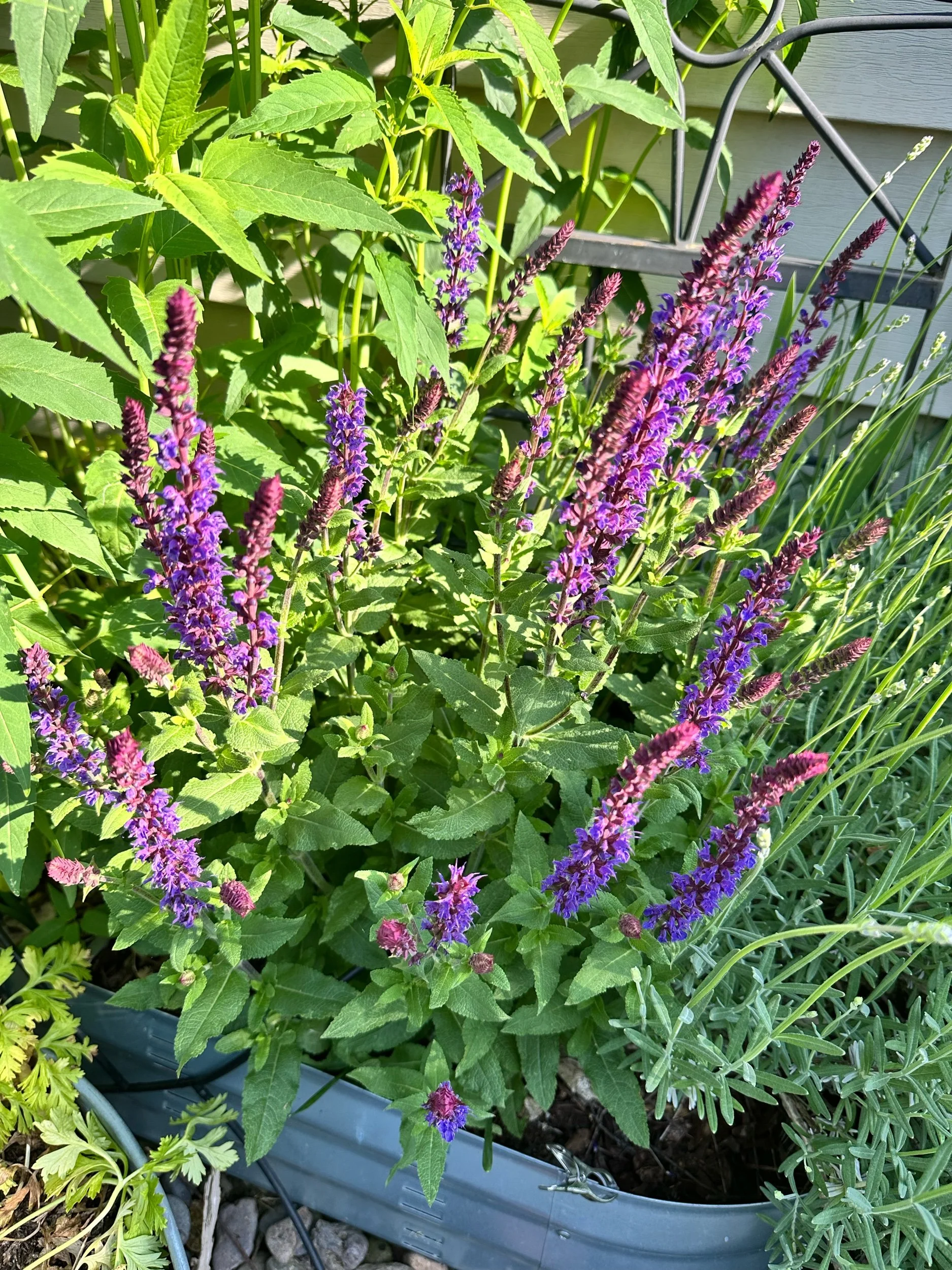
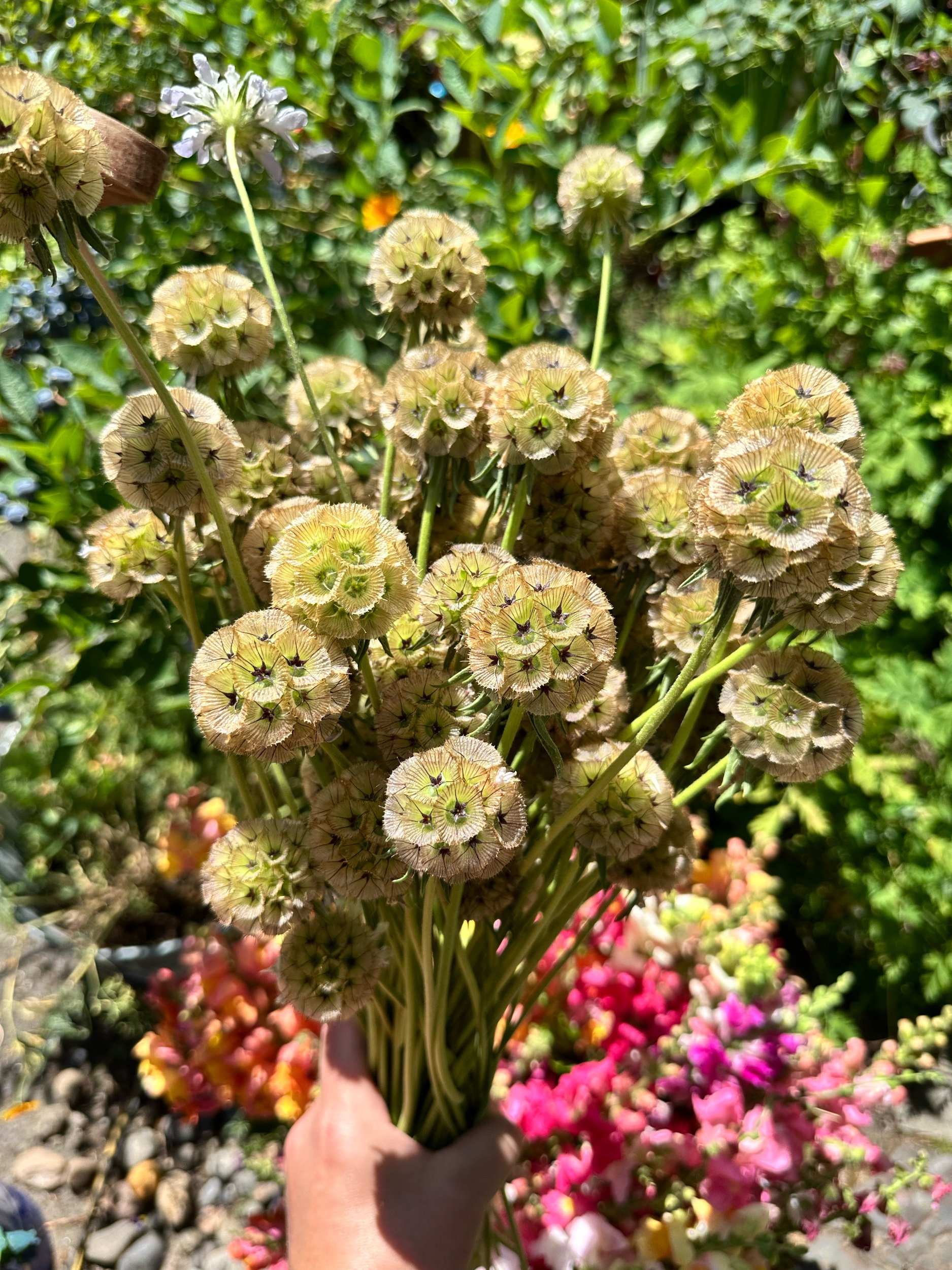
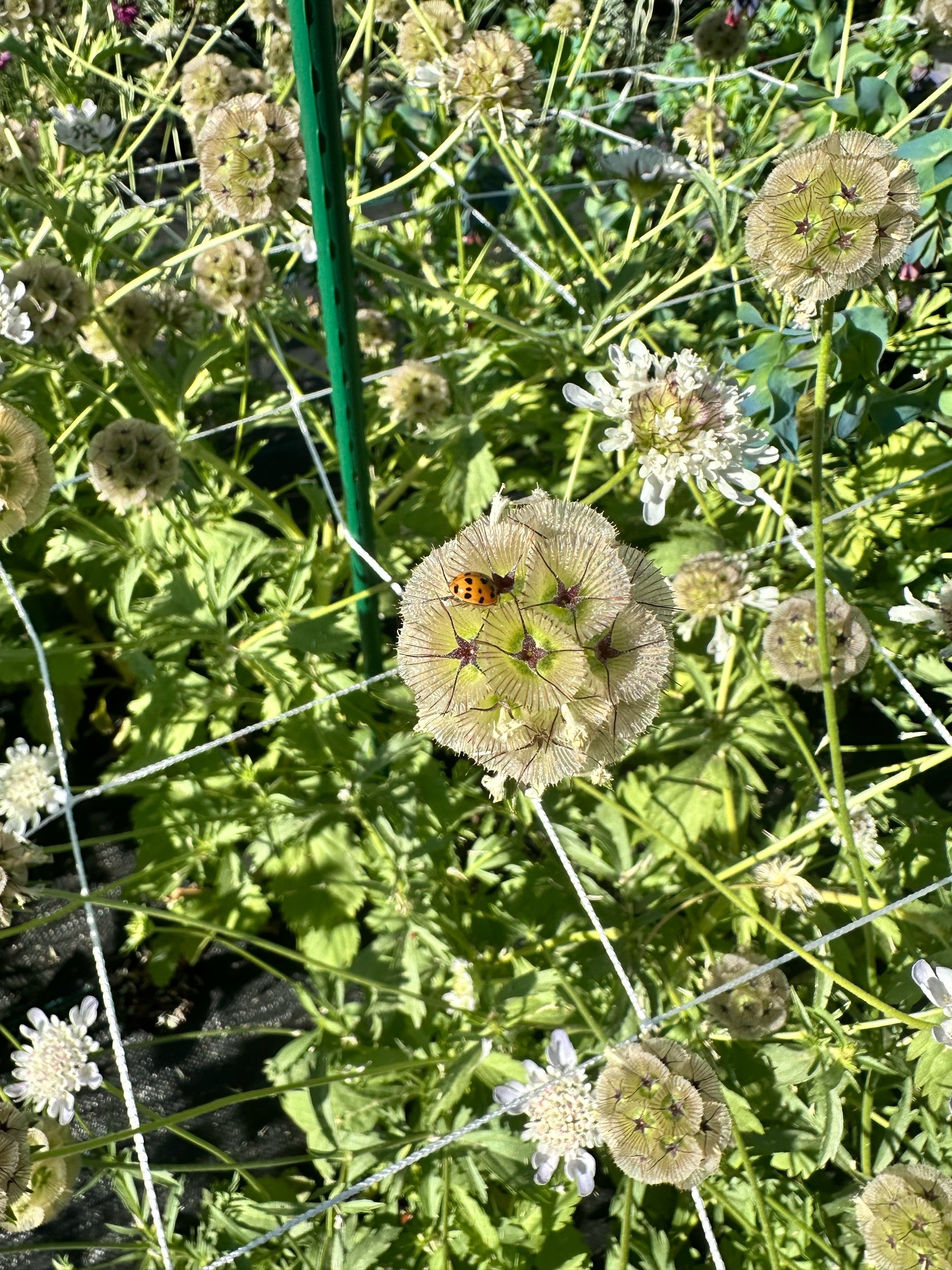
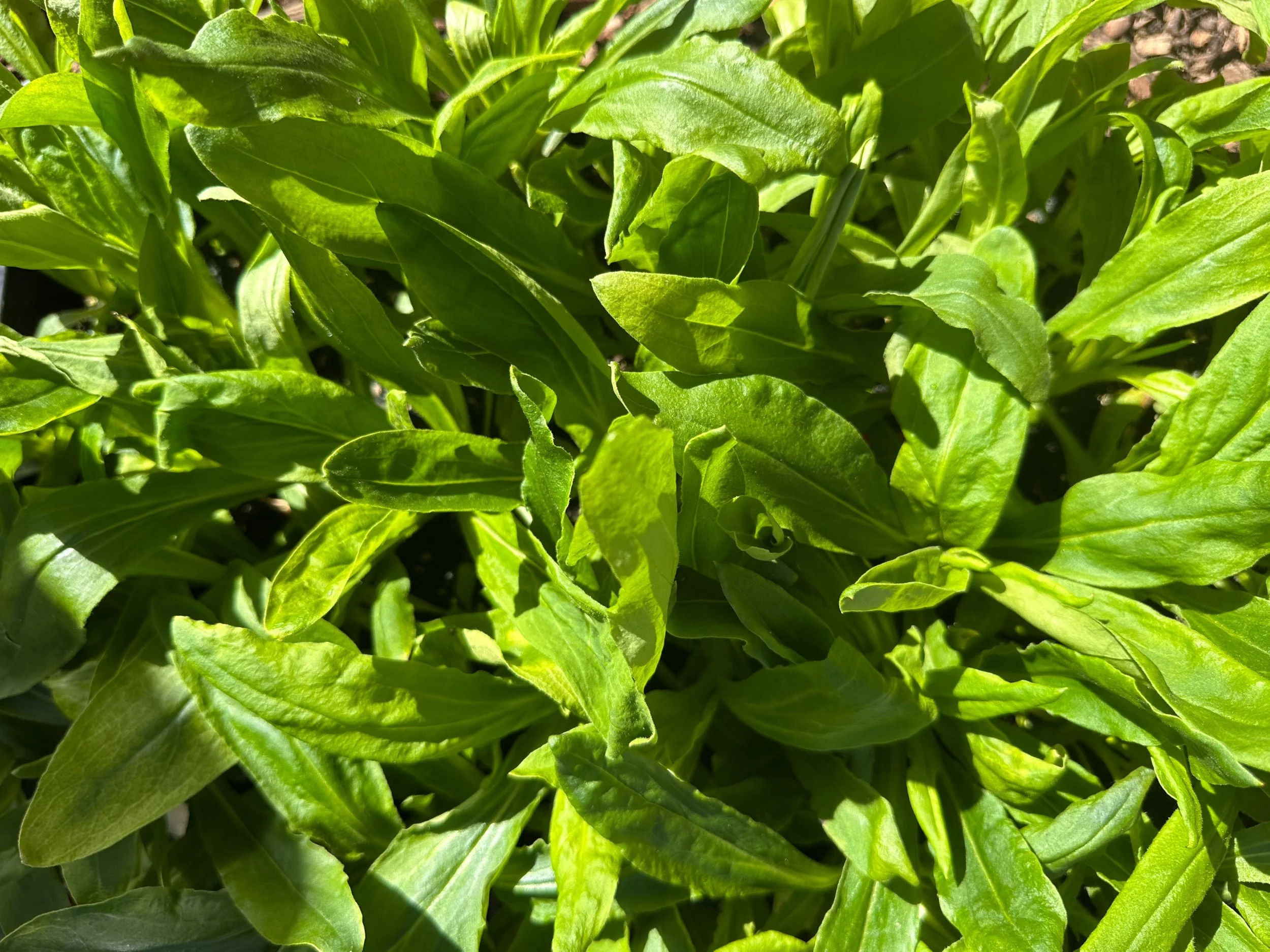
Beloved by pollinators and tea aficionados alike. A perennial that blooms in the first year, it is hardy from USDA zones 4-8. Considered extremely easy to grow, this is a top choice for beds, borders, herb gardens, and even containers. The leaves and flowers are used to make one of the best herb teas; the foliage possesses a naturally sweet, wonderful anise taste and fragrance. Bees love the pretty purple flower spikes! There are myriad medicinal and culinary uses for this amazing plant.
Specs:
2” soil block
LIGHT PREFERENCE:
Sun.
PLANT HEIGHT:
24-30". Support may be needed to ensure straight stems.
PLANT SPACING:
12-18".
HARDINESS ZONES:
Zones 5-9.
SOIL REQUIREMENTS:
Average to rich soil with good drainage.
HISTORY:
Native to North America. Known as a bedding plant popular for its edible flowers and as a pollinator attractor.
USES:
Ornamental with aromatic, edible leaves
Perennial beds, tea garden, pollinator garden. Visited by a range of bees, butterflies, and hummingbirds
SCIENTIFIC NAME:
Craspedia globosa
SEED SOURCE:
*Item description and growing information sourced from the seed company and linked accordingly
** if there are no images of the product it means that I have not grown that specific variety in the past. product images are available to review on the seed company’s website
Beloved by pollinators and tea aficionados alike. A perennial that blooms in the first year, it is hardy from USDA zones 4-8. Considered extremely easy to grow, this is a top choice for beds, borders, herb gardens, and even containers. The leaves and flowers are used to make one of the best herb teas; the foliage possesses a naturally sweet, wonderful anise taste and fragrance. Bees love the pretty purple flower spikes! There are myriad medicinal and culinary uses for this amazing plant.
Specs:
2” soil block
LIGHT PREFERENCE:
Sun.
PLANT HEIGHT:
24-30". Support may be needed to ensure straight stems.
PLANT SPACING:
12-18".
HARDINESS ZONES:
Zones 5-9.
SOIL REQUIREMENTS:
Average to rich soil with good drainage.
HISTORY:
Native to North America. Known as a bedding plant popular for its edible flowers and as a pollinator attractor.
USES:
Ornamental with aromatic, edible leaves
Perennial beds, tea garden, pollinator garden. Visited by a range of bees, butterflies, and hummingbirds
SCIENTIFIC NAME:
Craspedia globosa
SEED SOURCE:
*Item description and growing information sourced from the seed company and linked accordingly
** if there are no images of the product it means that I have not grown that specific variety in the past. product images are available to review on the seed company’s website