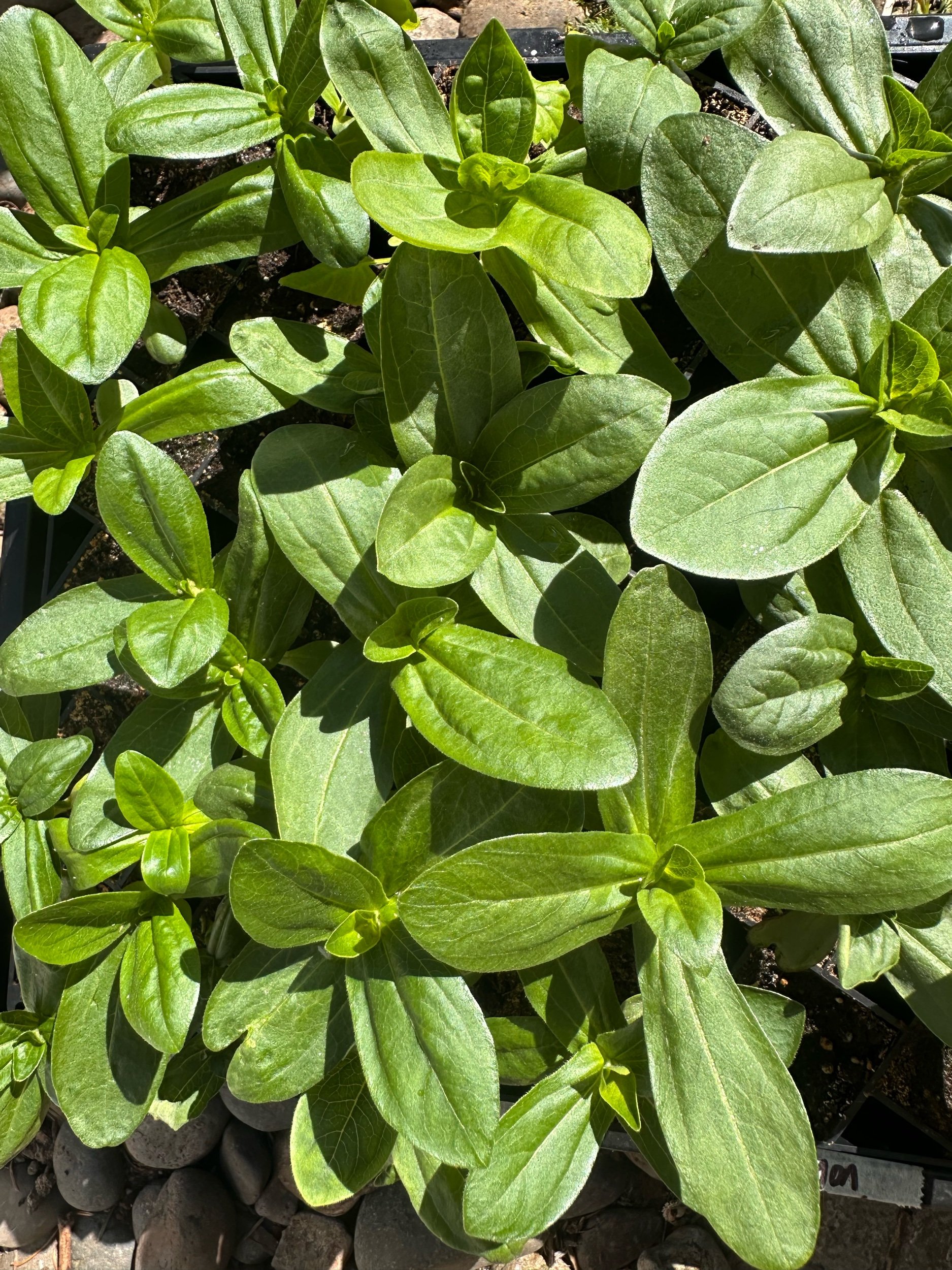
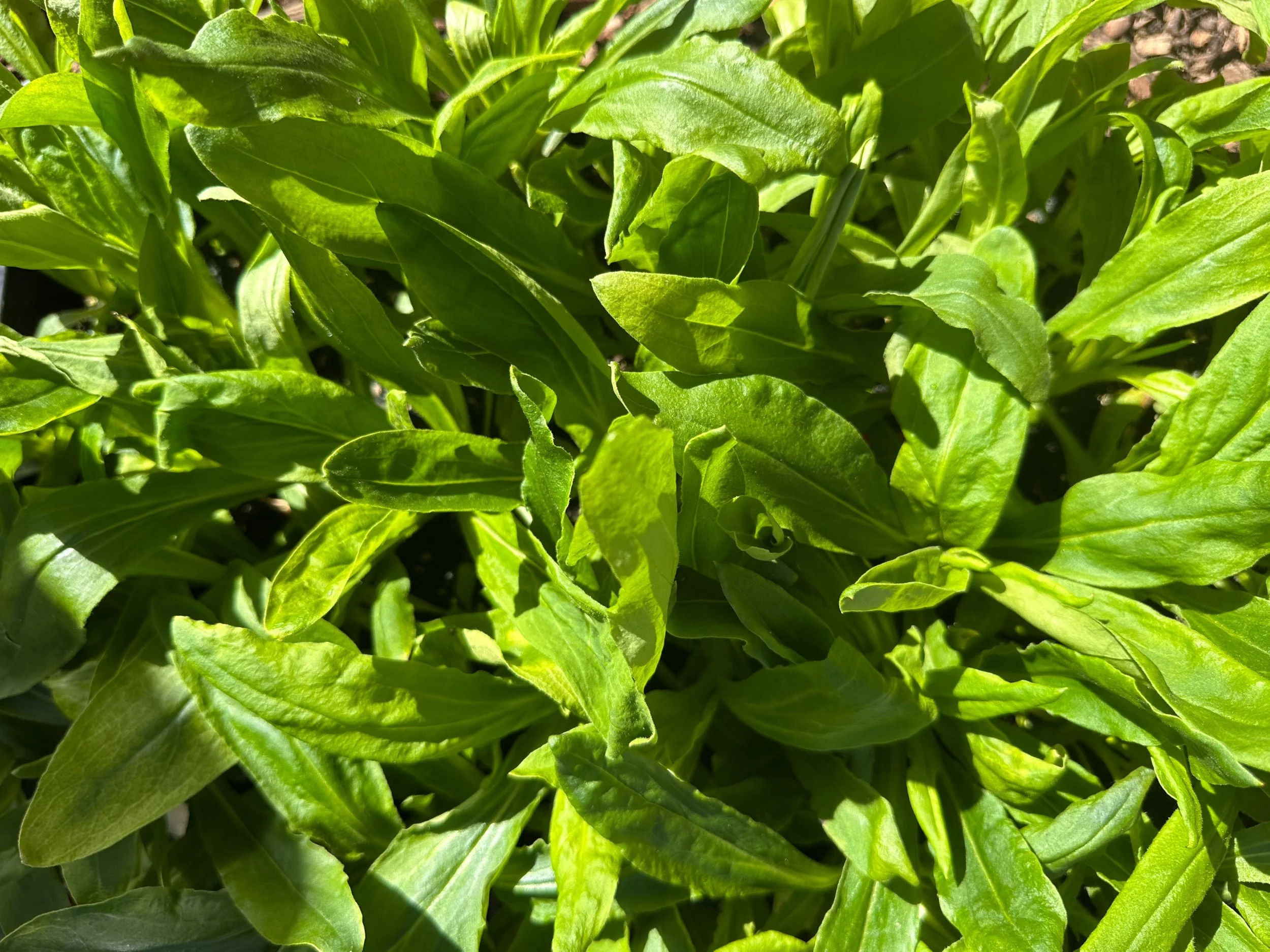
 Image 1 of 2
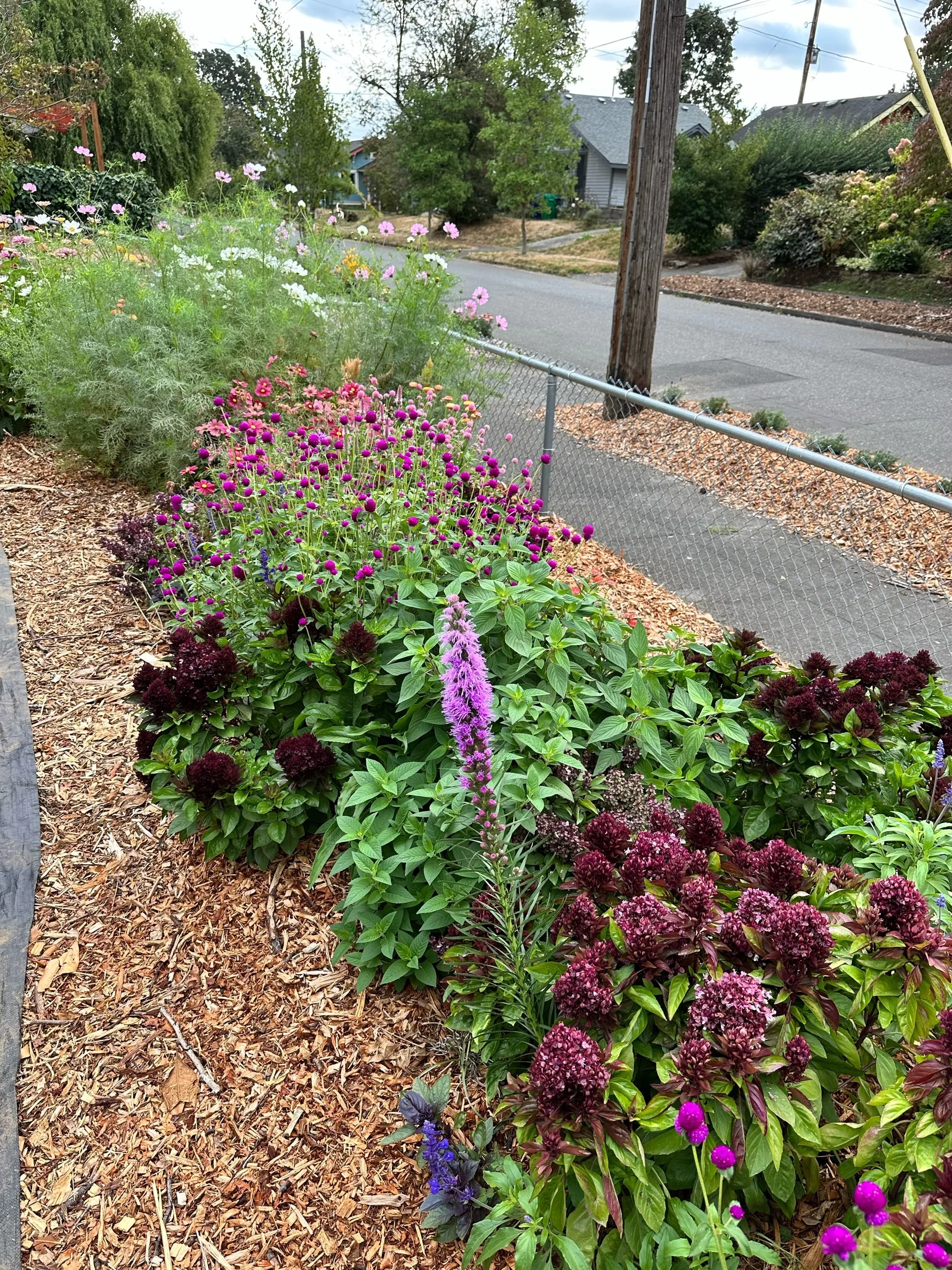 Image 2 of 2
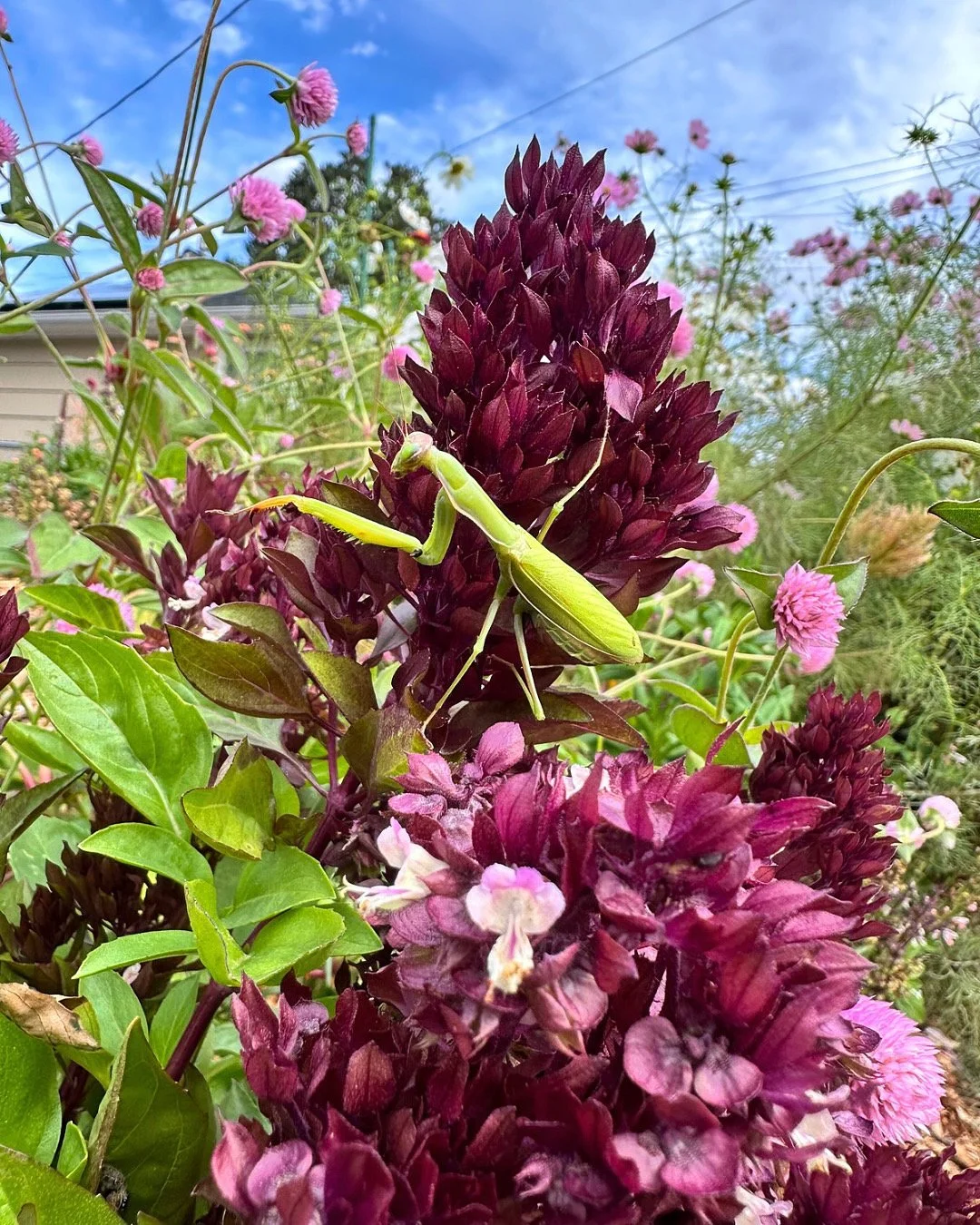
(Ocimum basilicum). A delicious, fragrant culinary basil that produces huge, rich purple flower heads! These are fantastic in flower arrangements. Try the spicy-sweet leaves in your favorite recipes. They are perfect for salads, soups, and curries, and leaves go well in many Mexican and Asian foods. A magnificent and grand variety for your garden and kitchen. Amazing flavor!
Cardinal basil thrives in warm, sunny conditions, and needs 8-12 hours of direct sunlight daily. It grows best in well-draining, fertile soil with a pH range of 6.0 to 7.5. Consistent moisture is key, but the soil should never become soggy. To encourage lush, bushy growth, pinch off the growing tips of the plant regularly and remove any flowers unless you're growing it for ornamental purposes.
Specs:
Plant Height: 12-24’
2” soil block
LIGHT PREFERENCE:
Sun.
PLANT HEIGHT:
varies
PLANT SPACING:
8-12".
HARDINESS ZONES:
Annual.
SOIL:
Well-drained soil
USES:
edible, fresh or dried cut flower, back of bed, accent in borders, containers.
NOTES:
Water Cardinal basil regularly to keep the soil evenly moist but avoid waterlogging. Apply a balanced fertilizer or compost every 2-4 weeks to support growth and promote flavorful leaves. Protect plants from pests like aphids and whiteflies using organic pest control methods such as neem oil or insecticidal soap.
HOW TO SAVE SEEDS:
Flower heads mature progressively from the bottom of the stem to the top.
When the bottom seed head starts to turn brown, the stem can be cut and allowed to dry away from direct sun in a well-ventilated area.
Rub dried raceme over a fine wire mesh and winnow off the chaff.
Place chaff in a bowl and carefully swirl contents around. Seeds will gather at the bottom of the bowl.
Tip the bowl so that the chaff can be discarded and blow the rest out carefully.
SEED SOURCE:
*Item description and growing information sourced from the seed company and linked accordingly
** if there are no images of the product it means that I have not grown that specific variety in the past. product images are available to review on the seed company’s website
(Ocimum basilicum). A delicious, fragrant culinary basil that produces huge, rich purple flower heads! These are fantastic in flower arrangements. Try the spicy-sweet leaves in your favorite recipes. They are perfect for salads, soups, and curries, and leaves go well in many Mexican and Asian foods. A magnificent and grand variety for your garden and kitchen. Amazing flavor!
Cardinal basil thrives in warm, sunny conditions, and needs 8-12 hours of direct sunlight daily. It grows best in well-draining, fertile soil with a pH range of 6.0 to 7.5. Consistent moisture is key, but the soil should never become soggy. To encourage lush, bushy growth, pinch off the growing tips of the plant regularly and remove any flowers unless you're growing it for ornamental purposes.
Specs:
Plant Height: 12-24’
2” soil block
LIGHT PREFERENCE:
Sun.
PLANT HEIGHT:
varies
PLANT SPACING:
8-12".
HARDINESS ZONES:
Annual.
SOIL:
Well-drained soil
USES:
edible, fresh or dried cut flower, back of bed, accent in borders, containers.
NOTES:
Water Cardinal basil regularly to keep the soil evenly moist but avoid waterlogging. Apply a balanced fertilizer or compost every 2-4 weeks to support growth and promote flavorful leaves. Protect plants from pests like aphids and whiteflies using organic pest control methods such as neem oil or insecticidal soap.
HOW TO SAVE SEEDS:
Flower heads mature progressively from the bottom of the stem to the top.
When the bottom seed head starts to turn brown, the stem can be cut and allowed to dry away from direct sun in a well-ventilated area.
Rub dried raceme over a fine wire mesh and winnow off the chaff.
Place chaff in a bowl and carefully swirl contents around. Seeds will gather at the bottom of the bowl.
Tip the bowl so that the chaff can be discarded and blow the rest out carefully.
SEED SOURCE:
*Item description and growing information sourced from the seed company and linked accordingly
** if there are no images of the product it means that I have not grown that specific variety in the past. product images are available to review on the seed company’s website