
grow your own bouquet!
curated for their stem length and vase life, there are annuals, perennials, cut flowers, foliage and fillers; everything you need to grow your own bouquet.
2.5" pot
2.5" pot
Filters
Filters
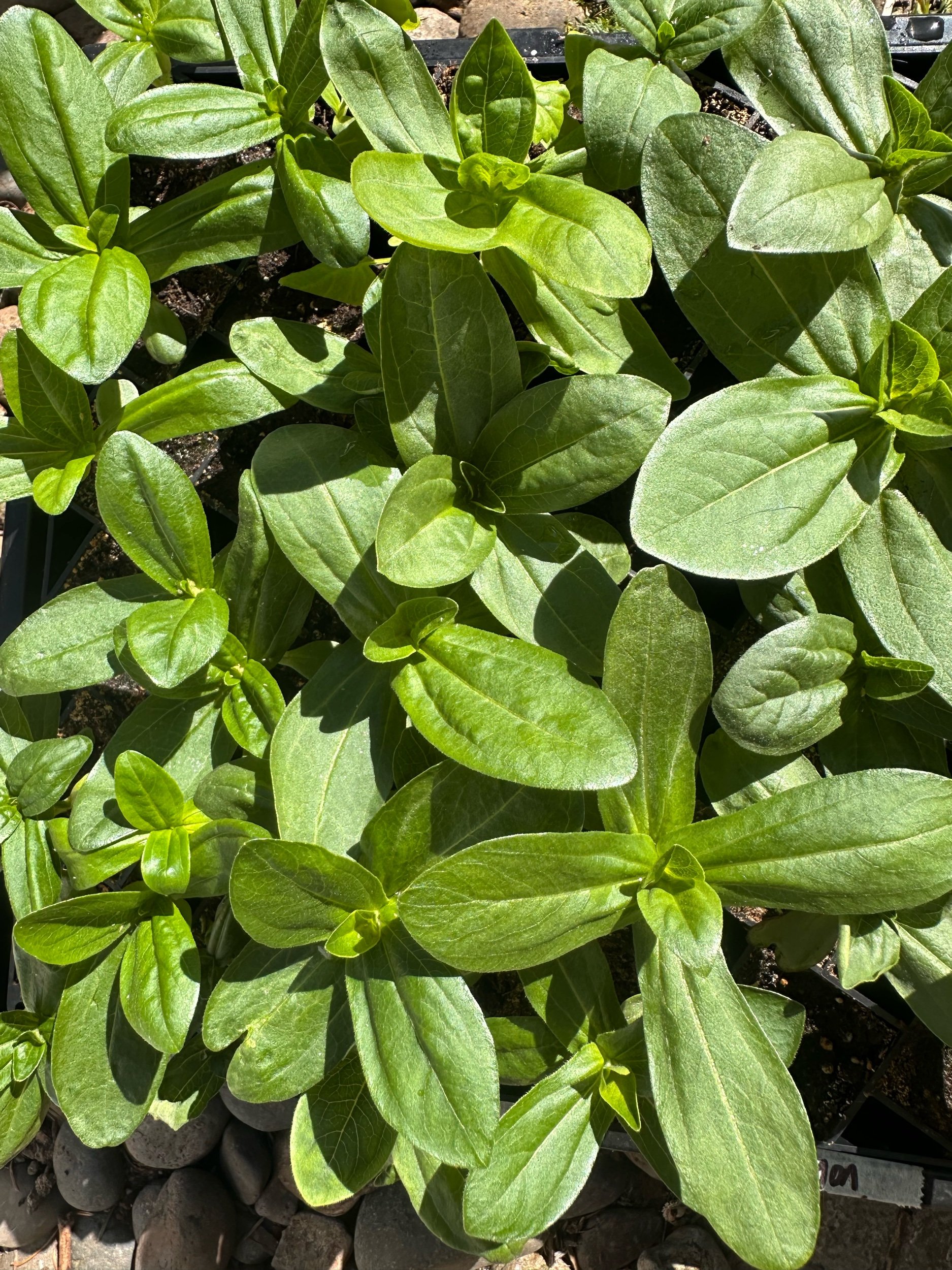
This giant-flowered mix includes shades of linen, icy lavender, pale pink, soft peach, and palomino. As flowers age, the lower petals often fade to turquoise dusted with lavender, giving blooms an icy metallic quality. The flower heads are dense and leathery and the backs of the petals have apple-green veining. To experience their full range of coloring, allow flowers to mature on the plant.
Please note that this variety is still a work in progress and is not 100% uniform, so you will undoubtedly find a few off types in the mix. We will continue to refine and improve this selection, but are making it available before it’s “perfect” for you to grow and enjoy.
Specs:
Plant Height: 48-56"
2.5” pot
LIGHT PREFERENCE:
Sun.
PLANT HEIGHT:
48-56”
PLANT SPACING:
9-12"
PINCH:
when 8-12” tall
HARDINESS ZONES:
Annual.
VASE LIFE:
7-10 days.
STORAGE TEMPERATURE:
40-50°F (4-10°C) Zinnias are sensitive to cold damage.
HARVEST:
Use the “wiggle test”: Grab the stem about 8 in down from the flower and gently shake it. If the stem is droopy or bends, don’t cut yet. If the stem is stiff and remains erect, it is ready to harvest. Do not put in the cooler. Zinnias are notorious for making their water murky. To combat this, add a few drops of bleach to the water. Expect a vase life of 7 days.
USES:
Taller varieties make excellent cut flowers. Beds, borders, and mass plantings.
SCIENTIFIC NAME:
Zinnia spp.
SEED SOURCE:
*Item description and growing information sourced from the seed company and linked accordingly
** if there are no images of the product it means that I have not grown that specific variety in the past. product images are available to review on the seed company’s website
This beautiful large-flowered pastel mix includes soft pink, the palest lavender, and blush, with the occasional ivory and soft peach. Plants have long, strong stems and are incredibly productive. Many of the blooms have a notable cactus-like form and petals are displayed in varying levels of fullness. Seed for this mix originally came from Kori at Dawn Creek Farm.
Please note that this variety is still a work in progress and is not 100% uniform, so you will undoubtedly find a few off types in the mix. We will continue to refine and improve this selection, but are making it available before it’s “perfect” for you to grow and enjoy.
Specs:
Plant Height: 48-56"
2.5” pot
LIGHT PREFERENCE:
Sun.
PLANT HEIGHT:
48-56”
PLANT SPACING:
9-12"
PINCH:
when 8-12” tall
HARDINESS ZONES:
Annual.
VASE LIFE:
7-10 days.
STORAGE TEMPERATURE:
40-50°F (4-10°C) Zinnias are sensitive to cold damage.
HARVEST:
Use the “wiggle test”: Grab the stem about 8 in down from the flower and gently shake it. If the stem is droopy or bends, don’t cut yet. If the stem is stiff and remains erect, it is ready to harvest. Do not put in the cooler. Zinnias are notorious for making their water murky. To combat this, add a few drops of bleach to the water. Expect a vase life of 7 days.
USES:
Taller varieties make excellent cut flowers. Beds, borders, and mass plantings.
SCIENTIFIC NAME:
Zinnia spp.
SEED SOURCE:
*Item description and growing information sourced from the seed company and linked accordingly
** if there are no images of the product it means that I have not grown that specific variety in the past. product images are available to review on the seed company’s website
This variety is named for the most beautiful time of day—the hour before the sun sets on the horizon. Large flowers come in a range of warm honey and cantaloupe shades that look as if they are glowing. As flowers age, the lower petals take on the faintest cranberry edging that beautifully complements their red eyes. This is the very first variety bred on the farm.
Please note that this variety is still a work in progress and is not 100% uniform, so you will undoubtedly find a few off types in the mix. We will continue to refine and improve this selection, but are making it available before it’s “perfect” for you to grow and enjoy.
Specs:
Plant Height: 48-56"
2.5” pot
LIGHT PREFERENCE:
Sun.
PLANT HEIGHT:
48-56”
PLANT SPACING:
9-12"
PINCH:
when 8-12” tall
HARDINESS ZONES:
Annual.
VASE LIFE:
7-10 days.
STORAGE TEMPERATURE:
40-50°F (4-10°C) Zinnias are sensitive to cold damage.
HARVEST:
Use the “wiggle test”: Grab the stem about 8 in down from the flower and gently shake it. If the stem is droopy or bends, don’t cut yet. If the stem is stiff and remains erect, it is ready to harvest. Do not put in the cooler. Zinnias are notorious for making their water murky. To combat this, add a few drops of bleach to the water. Expect a vase life of 7 days.
USES:
Taller varieties make excellent cut flowers. Beds, borders, and mass plantings.
SCIENTIFIC NAME:
Zinnia elegans
SEED SOURCE:
*Item description and growing information sourced from the seed company and linked accordingly
** if there are no images of the product it means that I have not grown that specific variety in the past. product images are available to review on the seed company’s website
This subtle, romantic mix includes the softest range of creamy linen, pale peach, and dusty rose flowers. The large pastel blooms sit atop long, strong stems and have an unusual iridescent lavender ring around their striking purple eyes. As flowers age, their petal tips turn a muted rosy pink. This rare color combination gives the blooms an almost opalescent quality.
Please note that this variety is still a work in progress and is not 100% uniform, so you will undoubtedly find a few off types in the mix. We will continue to refine and improve this selection, but are making it available before it’s “perfect” for you to grow and enjoy.
Specs:
Plant Height: 48-56"
2.5” pot
LIGHT PREFERENCE:
Sun.
PLANT HEIGHT:
48-56”
PLANT SPACING:
9-12"
PINCH:
when 8-12” tall
HARDINESS ZONES:
Annual.
VASE LIFE:
7-10 days.
STORAGE TEMPERATURE:
40-50°F (4-10°C) Zinnias are sensitive to cold damage.
HARVEST:
Use the “wiggle test”: Grab the stem about 8 in down from the flower and gently shake it. If the stem is droopy or bends, don’t cut yet. If the stem is stiff and remains erect, it is ready to harvest. Do not put in the cooler. Zinnias are notorious for making their water murky. To combat this, add a few drops of bleach to the water. Expect a vase life of 7 days.
USES:
Taller varieties make excellent cut flowers. Beds, borders, and mass plantings.
SCIENTIFIC NAME:
Zinnia spp.
SEED SOURCE:
*Item description and growing information sourced from the seed company and linked accordingly
** if there are no images of the product it means that I have not grown that specific variety in the past. product images are available to review on the seed company’s website
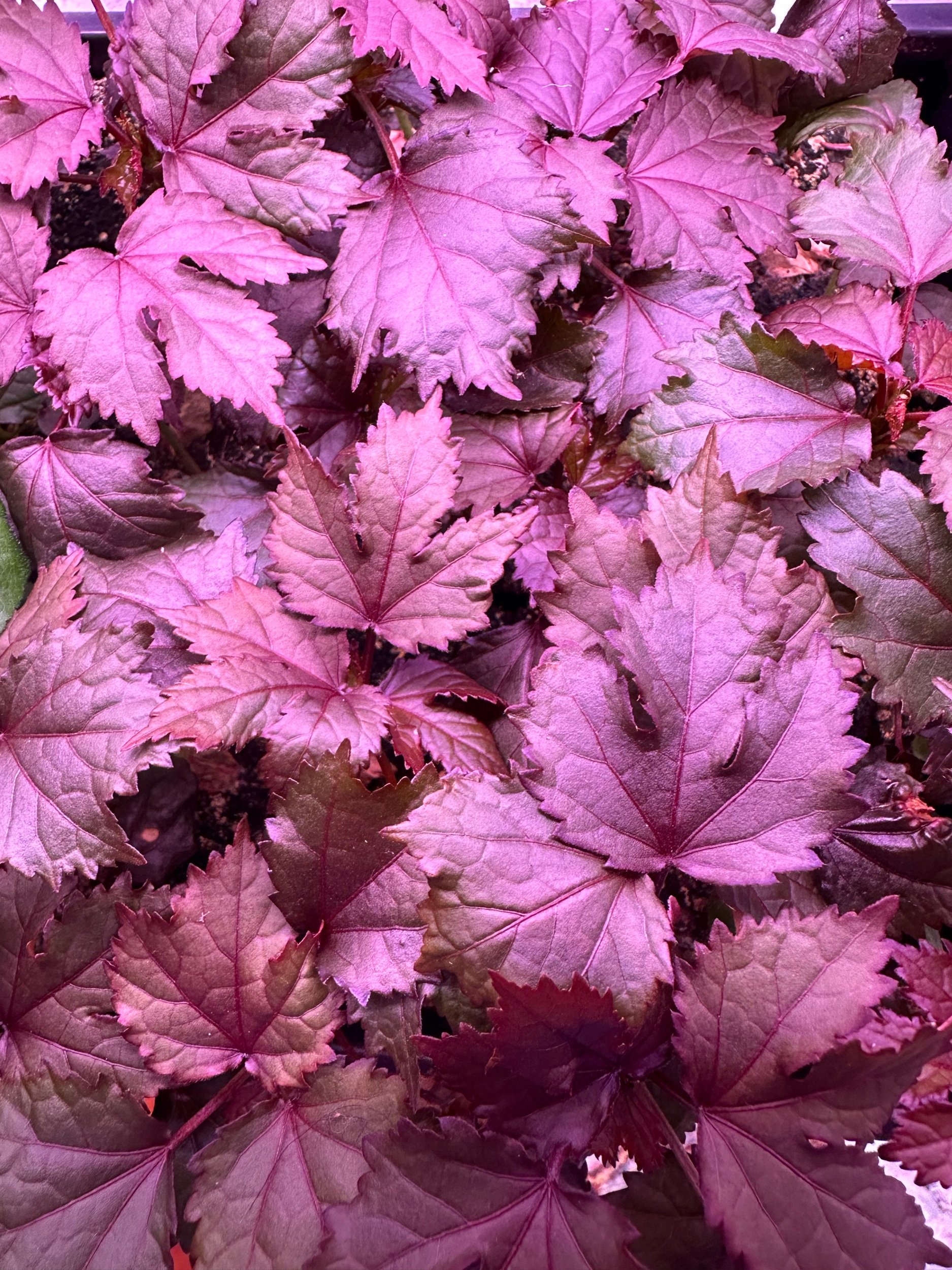
Deep mahogany-red foliage for cutting and garden accent.
Decorative, deeply cut foliage with maple-leaf appearance, rich color, and sturdy branches. Ideal for late summer and fall arrangements. Primarily grown for use as cut flower foliage, the vigorous, drought- and heat-tolerant plants are also suitable for containers and landscaping. The abundant color and tall stature make Mahogany Splendor a lovely backdrop in the garden or patio. NOTE: If grown indoors or in part shade, foliage will be green to rust in color; the mahogany color develops fully in full sun. Also known as red-leaf hibiscus, false roselle, African rose mallow, and cranberry hibiscus. Tropical, herbaceous perennial in Zones 8a–9b. Tender perennial or annual in all other growing zones.
Specs:
Plant Height: 40–70"
LIGHT PREFERENCE:
Sun. Hibiscus thrives in heat and humidity so is best grown in full sun.
PLANT HEIGHT:
40-70".
PLANT SPACING:
24-36".
HARDINESS ZONES:
Zones 8-9.
STEM LENGTH:
12-70". Pinching is not required but if plants are pinched at a young stage, lateral branches will benefit greatly in length and quality.
HARVEST:
For cut foliage, harvest once leaves are mature (not tender) and the stems are straight, firm, and at least slightly woody.
SOIL REQUIREMENTS:
Well-drained but moist soil with high organic matter. Preferred pH of 5.8-6.5.
NOTE:
Foliage will have green/rust tones in the greenhouse, but mature to burgundy in full sun outdoors.
SCIENTIFIC NAME:
Hibiscus acetosella
ALTERNATE NAMES:
False Roselle, African Rose Mallow
SEED SOURCE:
*Item description and growing information sourced from the seed company and linked accordingly
** if there are no images of the product it means that I have not grown that specific variety in the past. product images are available to review on the seed company’s website
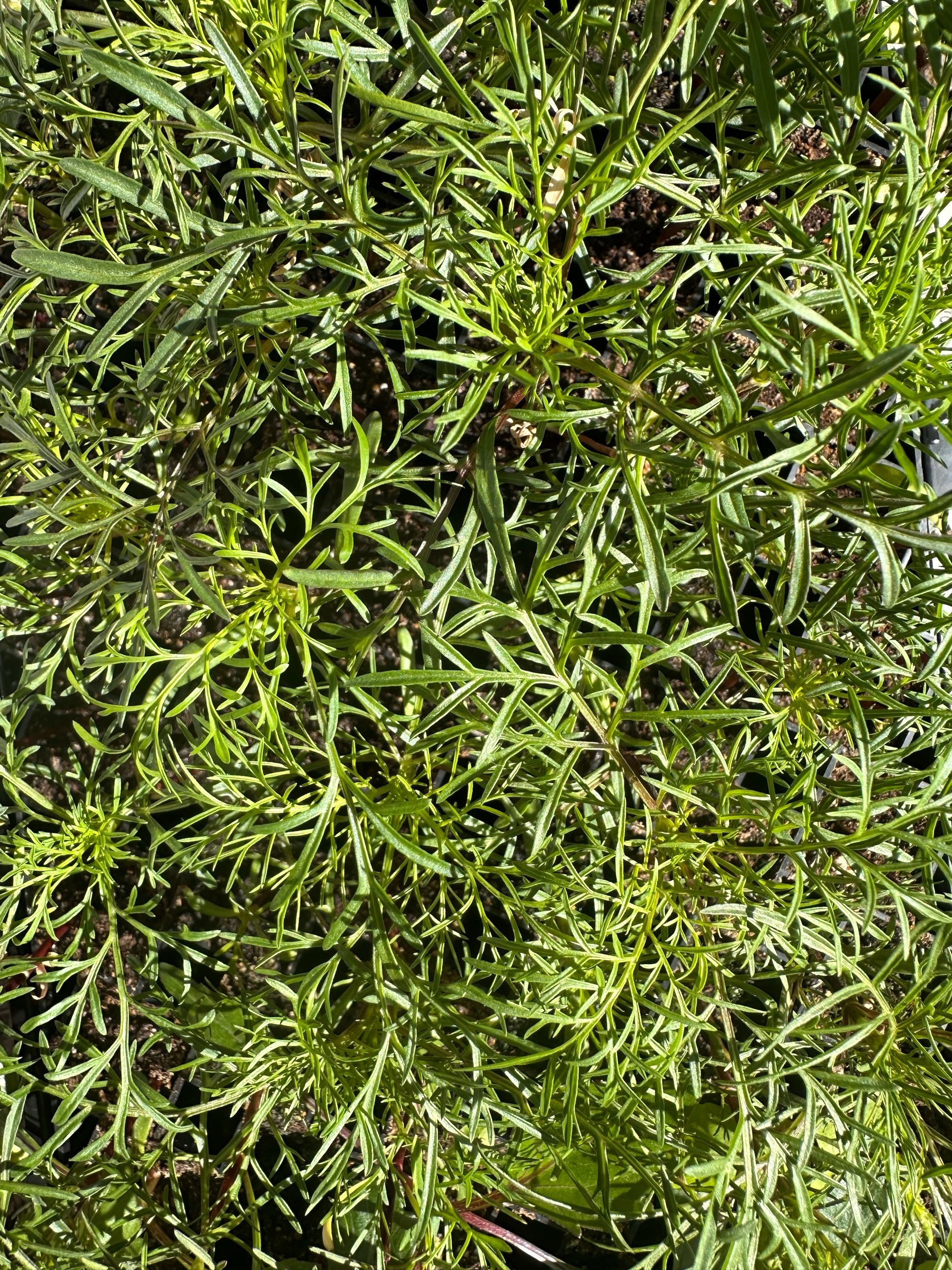
(Cosmos bipinnatus). Here's something unusual for cottage gardens or for cut flowers: the ray flowers of this charming cosmos are tubular or cone-shaped rather than flat, giving the blooms an intricate look. Three-inch flowers are produced abundantly all summer until frost, in the usual cosmos shades of deep rose, shell pink, and pure, snowy white. Plants reach 3-4 feet; like most cosmos, it tolerates poor and dry soils, hot conditions.
Annual
60-90 days to maturity
6-8 hours of full sun
Plant Spacing: 10"
Ideal Temperature: 70-75 F
Frost Hardy: No
Plant Height: 36–48"
2.5” pot
Sea Shells cosmos is a unique heirloom variety that reaches 3-4 feet. Like most cosmos, it tolerates poor and dry soils, as well as hot conditions. Regular deadheading encourages more blooms. Avoid excessive fertilization, as that can lead to the growth of foliage at the expense of flowers.
How to Grow
Sea Shells cosmos thrives in poor to average soil, as rich soil can lead to excessive foliage with fewer blooms. Water moderately, allowing the soil to dry between waterings to prevent weak, leggy growth. In windy areas, taller plants may need staking to prevent them from falling over. To keep the flowers blooming all season, remove spent blooms regularly. Cosmos tolerate heat and drought well, making them an excellent choice for low-maintenance summer gardens.
How to Save
Cosmos are insect pollinated, and there may be some crossing between varieties in the garden. You can enjoy the mixing or use caging techniques and hand pollination to avoid crossing.
Saving seeds from cosmos is easy: simply allow the heads to brown and dry on plants and collect seeds. Store in a cool, dry, dark place over winter.
SEED SOURCE:
*Item description and growing information sourced from the seed company and linked accordingly
** if there are no images of the product it means that I have not grown that specific variety in the past. product images are available to review on the seed company’s website
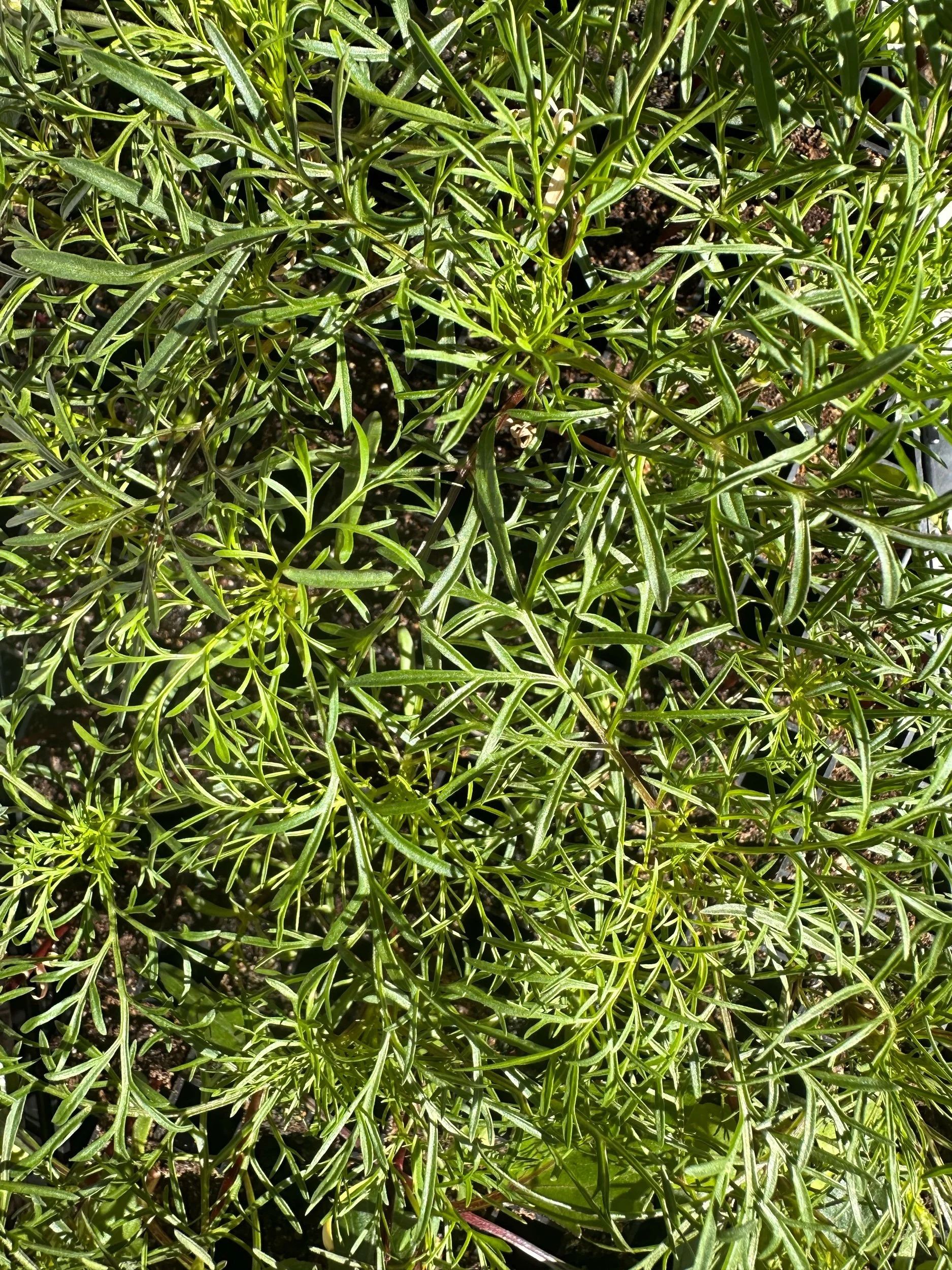
Apricot-rose blooms on long stems.
Tall, vigorous, densely branching plants. Delicate single blooms have a slightly ruffled edge and glow in shades of blush, apricot, and rose. We have observed variation in bloom color: some flowers are lighter in color, while some express more rose than apricot. The 2 1/2–3" blooms are not as full or uniform as we would like. Still, we appreciate the variety for its productive plants and its ability to unify warm and cool hues in arrangements.
Specs:
Plant Height: 36–48"
2.5” pot
LIGHT PREFERENCE:
Sun.
PLANT HEIGHT:
Varies. Tall varieties may benefit from some wind protection, such as Hortonova, used as horizontal support.
PLANT SPACING:
9-12". Wider spacing creates stronger, thicker stems.
HARDINESS ZONES:
Annual.
HARVEST:
Petals just opening, but not yet flattened. Deadheading is required to have blooms all summer.
SOIL REQUIREMENTS:
Any soil.
USES:
Excellent cut flowers. Beds, containers, and mass plantings.
SEED SOURCE:
*Item description and growing information sourced from the seed company and linked accordingly
** if there are no images of the product it means that I have not grown that specific variety in the past. product images are available to review on the seed company’s website
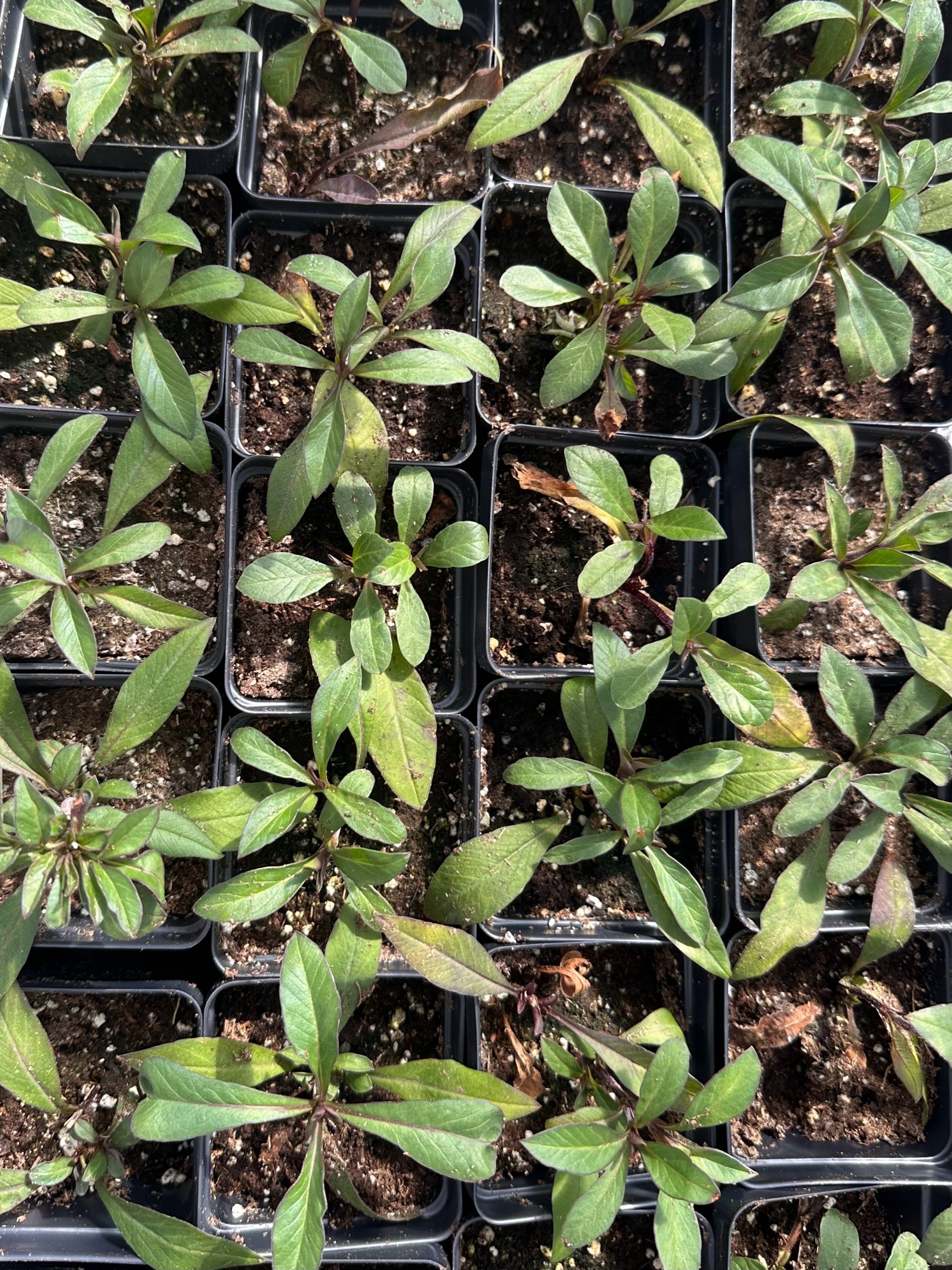
This little beauty is a big improvement over seed grown strains. It branches freely, and is more heat tolerant and mildew resistant than older cultivars. It is vegetatively propagated and patented so propagation is prohibited.
Some folks find them finicky while others have great success, and I don't know the exact combination of conditions that make them thrive.
Plugs sourced from Farmer Bailey/Grow ‘n Sell and then lovingly grown to have a larger root ball filling a 2.5” pot.
Specs:
2.5” pot
Common Name
Cosmos, garden cosmos, Mexican asters
Genus
Cosmos
Species
C. bipinnatus
Family
Asteraceae
Life Cycle
Tender Annual
Netting / Staking
One or two layers of netting is beneficial in areas with high wind.
Temperature Range
Plants can not tolerate freezing at any point in the growth cycle. They can handle the heat of summertime and are a crop suitable for most zones.
Spacing
9-12"
Soil Preference
Loose, well draining soil with low fertility. Too much nutrient content will cause heavy foliar growth and few flowers.
Day Length
Short day plants - flowering is triggered as days get shorter, typically towards the end of summer. If stressed rootbound or drought conditions) they will flower prematurely. If growing in a greenhouse through the winter, additional lighting will be required to mimic long days for the vegetative state.
Pinching
Pinch once when the plants are about 6" high, down to a few sets of leaves to encourage side branching. If the plants try to flower prematurely, continue to pinch off buds and flowers until you start seeing longer stems.
Harvesting
Expect flowers approximately 45-60 days after planting plugs (dependent on weather and temperature). Harvest when flowers are just starting to open for the longest vase life. Mature side buds will also open in the vase. Cut deeply into the plant for long stems and to promote additional side branching. If flowers are left to open fully they will get pollinated and vase life will suffer.
Post Harvest Care
Place cut stems immediately into cool water. Floral preservative will extend vase life - expect stems to last just shy of one week. Can be stored in the cooler for a short period of time.
Diseases / Insects
During long stretches of heat and humidity powdery mildew and bacterial wilt may be seen.
Common insect pests include aphids, thrips and Japanese beetles.
Bailey's Notes
Do not allow plants to set seed - keep up with harvesting and deadheading or the plant will start to shut down.
Some growers will use stems of cosmos foliage as a filler in bouquets - they have reported a good vase life although we don't have personal experience to support this claim.
PLUG SOURCE:
*Item description and growing information sourced from the seed company and linked accordingly
** if there are no images of the product it means that I have not grown that specific variety in the past. product images are available to review on the seed company’s website
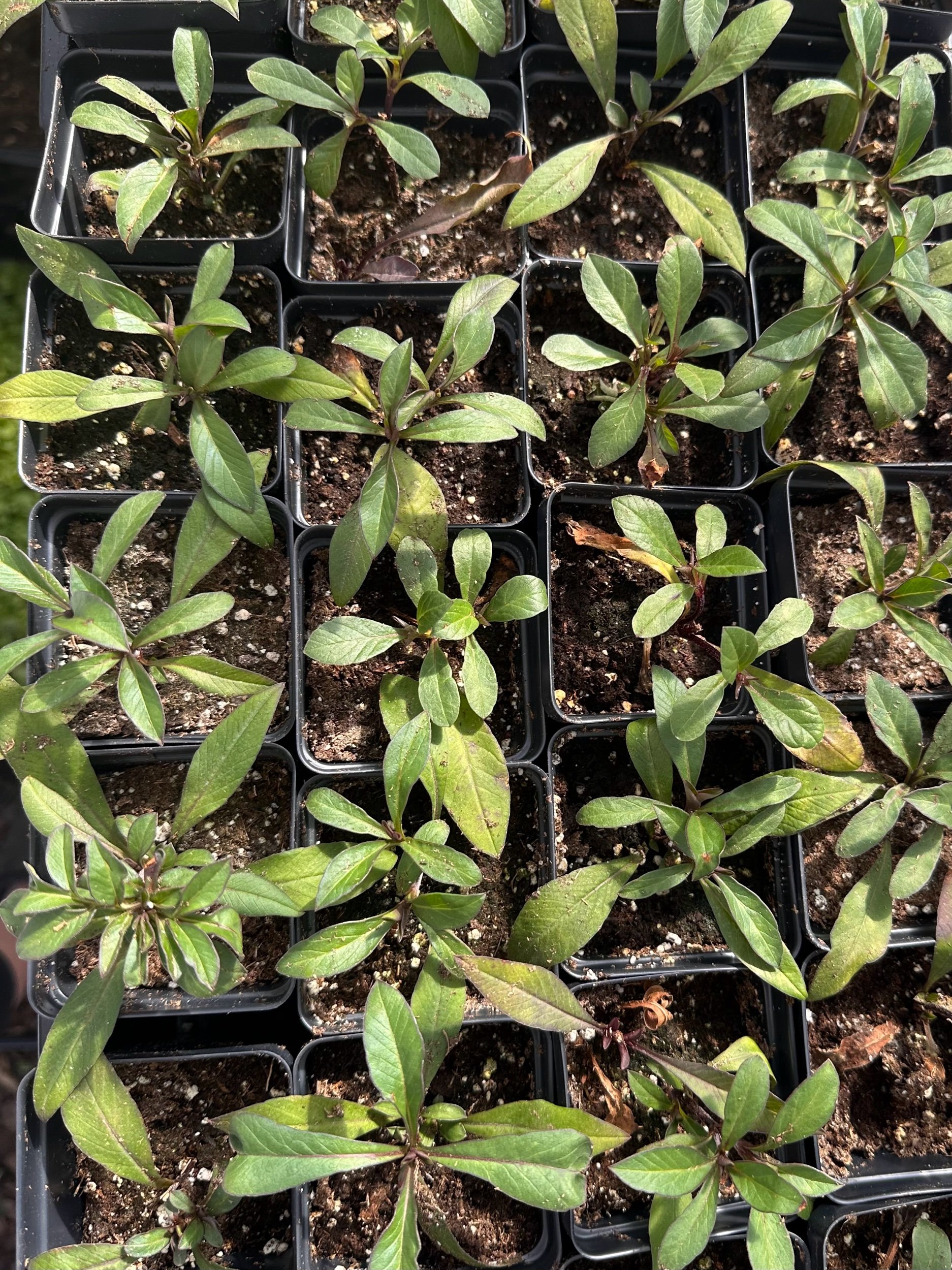
This little beauty is a big improvement over seed grown strains. It branches freely, and is more heat tolerant and mildew resistant than older cultivars. It is vegetatively propagated and patented so propagation is prohibited.
Some folks find them finicky while others have great success, and I don't know the exact combination of conditions that make them thrive.
Plugs sourced from Gro ‘n Sell/Farmer Bailey and then lovingly grown to have a larger root ball filling a 2.5” pot.
Specs:
2.5” pot
Common Name
Cosmos, garden cosmos, Mexican asters
Genus
Cosmos
Species C. bipinnatus
Family
Asteraceae
Life Cycle
Tender Annual
Netting / Staking
One or two layers of netting is beneficial in areas with high wind.
Temperature RangePlants can not tolerate freezing at any point in the growth cycle. They can handle the heat of summertime and are a crop suitable for most zones.
Spacing
9-12"
Soil Preference
Loose, well draining soil with low fertility. Too much nutrient content will cause heavy foliar growth and few flowers.
Day Length
Short day plants - flowering is triggered as days get shorter, typically towards the end of summer. If stressed rootbound or drought conditions) they will flower prematurely. If growing in a greenhouse through the winter, additional lighting will be required to mimic long days for the vegetative state.
Pinching
Pinch once when the plants are about 6" high, down to a few sets of leaves to encourage side branching. If the plants try to flower prematurely, continue to pinch off buds and flowers until you start seeing longer stems.
Harvesting
Expect flowers approximately 45-60 days after planting plugs (dependent on weather and temperature). Harvest when flowers are just starting to open for the longest vase life. Mature side buds will also open in the vase. Cut deeply into the plant for long stems and to promote additional side branching. If flowers are left to open fully they will get pollinated and vase life will suffer.
Post Harvest Care
Place cut stems immediately into cool water. Floral preservative will extend vase life - expect stems to last just shy of one week. Can be stored in the cooler for a short period of time.
Diseases / Insects
During long stretches of heat and humidity powdery mildew and bacterial wilt may be seen.
Common insect pests include aphids, thrips and Japanese beetles.
Bailey's Notes
Do not allow plants to set seed - keep up with harvesting and deadheading or the plant will start to shut down.
Some growers will use stems of cosmos foliage as a filler in bouquets - they have reported a good vase life although we don't have personal experience to support this claim.
PLUG SOURCE:
*Item description and growing information sourced from the seed company and linked accordingly
** if there are no images of the product it means that I have not grown that specific variety in the past. product images are available to review on the seed company’s website
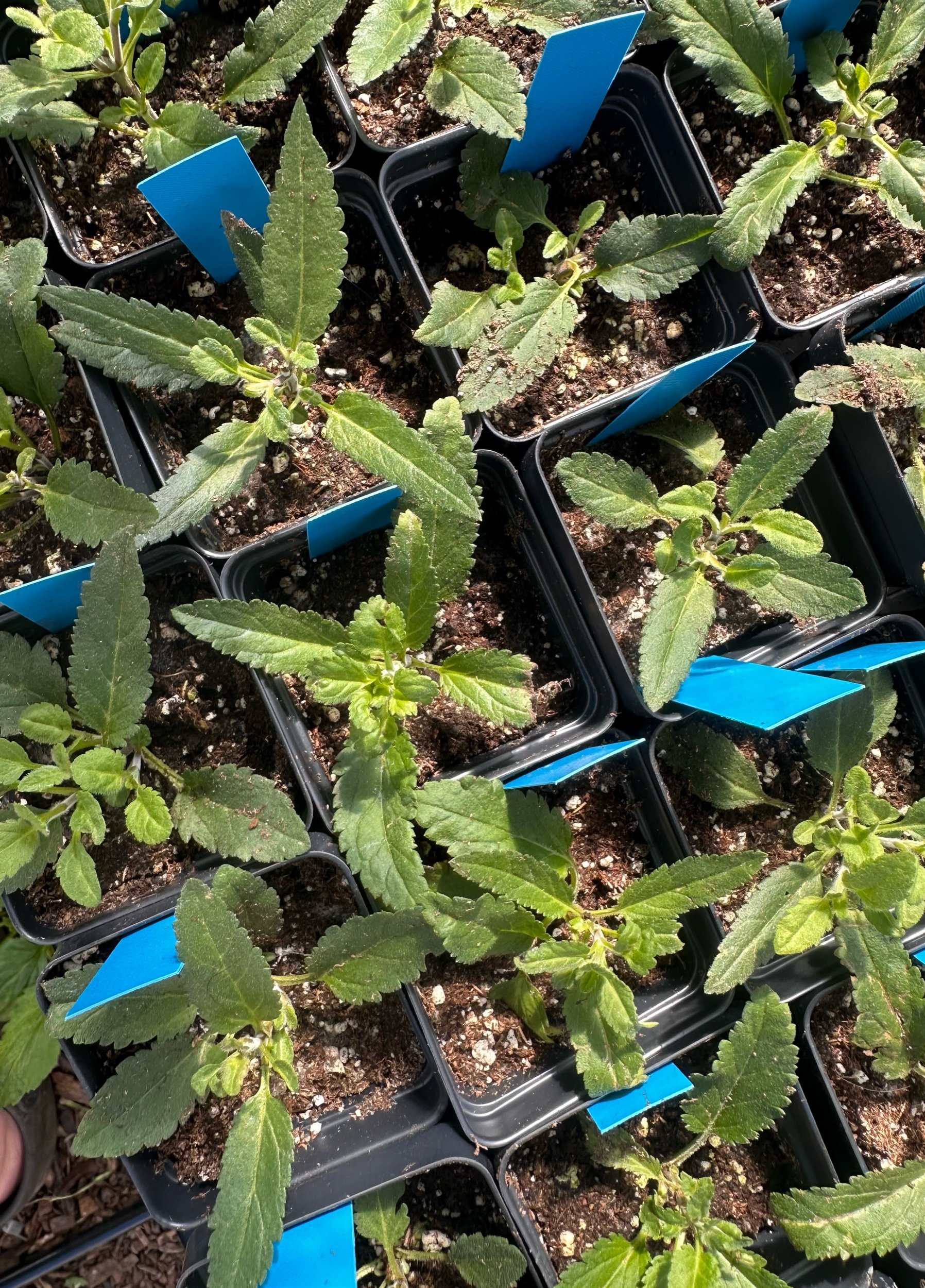
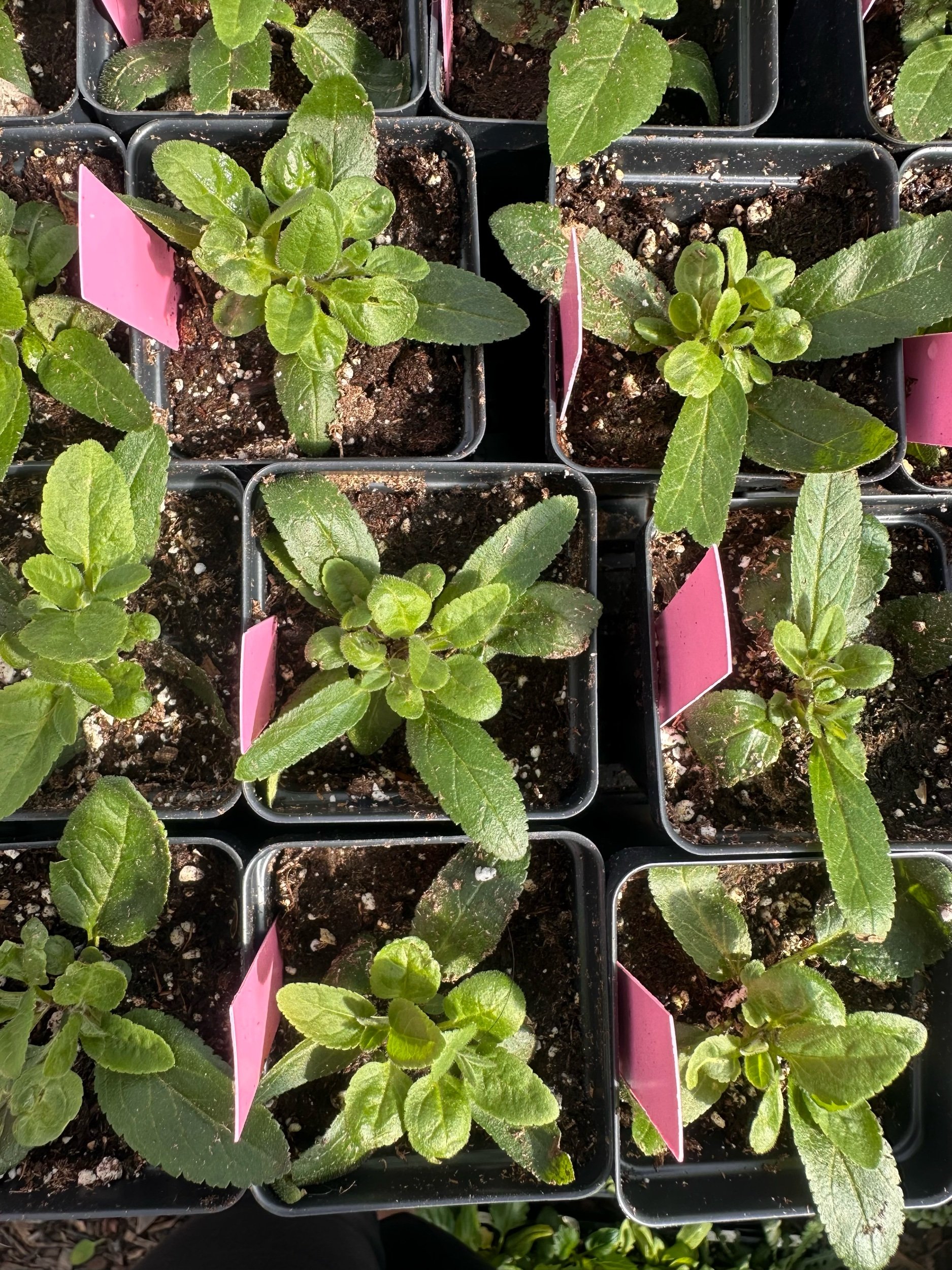
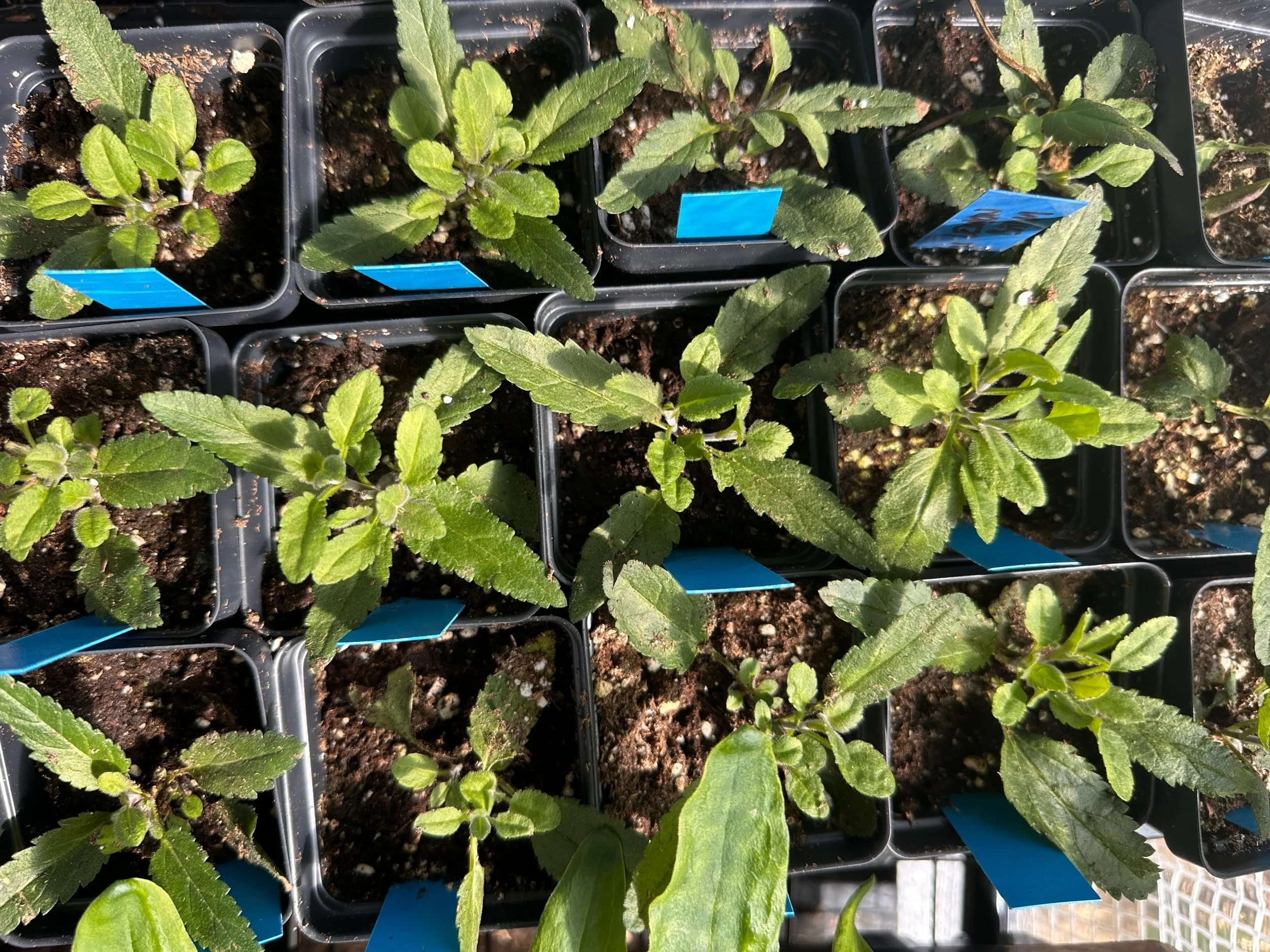
The only Veronica you need to know about. The Skyler™ series needs no vernalization and blooms freely the first year. It re-blooms after each cut. (Cut all the way to the ground at harvest time to encourage regrowth.) Skyler is fully winter hardy. Bred by Danziger of Israel.
Plugs sourced from Gro ‘n Sell/Farmer Bailey and then lovingly grown to have a larger root ball filling a 2.5” pot.
Specs:
Plant Height: 18-30"
2.5” pot
Genus Veronica
Species
longifolia
Family
Plantaginaceae
Netting / Staking
No
Temperature Range
-35 to 90
Spacing
9"
Soil Preference
Well drained, generally fertile soil.
Day Length
Day Neutral
Pinching
If the plant is not already branching, pinch once growth has resumed after transplant.
When to Plant
Spring or Fall. Quite adaptable.
Harvesting
Cut when the spike is 1/3 open. Harvest the entire plant, all the way to the ground to encourage rebloom.
Post Harvest Care
Holding solution in the cooler.
Diseases / Insects
Generally pest free.
Bailey's Notes
The Skyler series does not need a cold winter period, unlike other Veronica longifolia cultivars. It will flower the first year from planting. Cut to the ground, and it will generally send out an additional flush of flowers. Depending on location you may harvest 2-4 flushes of flowers per year. It is fully hardy. In its second and third years, you will see many more stems emerge as the plant spreads. You may need to replace them every 4 or 5 years if production declines.
PLUG SOURCE:
*Item description and growing information sourced from the seed company and linked accordingly
** if there are no images of the product it means that I have not grown that specific variety in the past. product images are available to review on the seed company’s website
(Zinnia elegans). We just can't get enough of these vibrant, dahlia-flowered beauties! Large 3-inch blooms display an incredible lime green, pastel pink to red ombre with red centers. Stems reach 25 inches tall, and the plant remains sturdy. These make an extra long-lasting cut flower. The butterflies seemed to especially appreciate this variety! Amazing!
Annual
Height at maturity: 30-40"
6-8 hours of full sun
Plant Spacing: 9-12"
Ideal Temperature: 70-95 F
Frost Hardy: No
Specs:
Plant Height: 30–40"
2.5” pot
SEED SOURCE:
*Item description and growing information sourced from the seed company and linked accordingly
** if there are no images of the product it means that I have not grown that specific variety in the past. product images are available to review on the seed company’s website
Unusual antique color.
These 2–3½" blooms have soft burgundy outer petals that gradually lighten to creamy lime centers. A mix of fully double and semidouble flowers with a small percentage of singles. Cut-and-come-again flower, yielding multiple cuts over the season. Previously and widely known as 'Queen Red Lime.' Over the years, as the breeder has developed new colors in the series, he has transitioned the series name from "Queen" to "Queeny." To respect his wishes, we have updated the product names accordingly.
Specs:
Plant Height: 30–40"
2.5” pot
LIGHT PREFERENCE:
Sun.
PLANT HEIGHT:
Varies. No support is necessary.
PLANT SPACING:
9-12".
HARDINESS ZONES:
Annual.
VASE LIFE:
7-10 days.
STORAGE TEMPERATURE:
40-50°F (4-10°C) Zinnias are sensitive to cold damage.
HARVEST:
Before completely open. Stem is firm from point of cut to just below the bloom.
SOIL REQUIREMENTS:
Fertile soil rich in organic matter. pH: 6.3-6.8 preferred.
USES:
Taller varieties make excellent cut flowers. Beds, borders, and mass plantings.
SCIENTIFIC NAME:
Zinnia spp.
SEED SOURCE:
*Item description and growing information sourced from the seed company and linked accordingly
** if there are no images of the product it means that I have not grown that specific variety in the past. product images are available to review on the seed company’s website
(Zinnia elegans) We love the “scabiosa” or “cupcake” type zinnias with their poofy doubled centers. Zinderella lilac brings soft lavender-pink color with dark centers to the playful form for bright summer arrangements. Full, branching plants stand 3-4’ with long, strong stems for cutting. Similar to sister, Zinderella Peach, expect single, double and fully double flowers. Do take gentle care of roots while young and when transplanting as shock may lead to more single blooms than you want. Don't be afraid to pinch back to encourage strong and profuse stems and deadhead to encourage more flowers.
Specs:
Plant Height: 24–30"
2.5” pot
SPACING:
9-12" in rows 12-18" apart.
LIGHT:
Full sun to part shade
FERTILITY:
Medium. Tolerant to most soil types but prefers rich, evenly moist soil with a pH between 6.0-7.
ADDITIONAL NOTES:
While not absolutely necessary, you may stake or provide netting to keep them upright and tidy.
Be gentle with the roots when transplanting to avoid stress that can cause more single (as opposed to doubled) flowers.
To encourage branching, pinch back when 12" and remove initial bud.
Zinnias appreciate some cooler time and/or shade.
Continue to cut and deadhead and the plant will be wildly floriferous!
Stiff cut stems have a 7+ day vase life.
SEED SOURCE:
*Item description and growing information sourced from the seed company and linked accordingly
** if there are no images of the product it means that I have not grown that specific variety in the past. product images are available to review on the seed company’s website
Novelty scabiosa-type blooms.
2–2 1/2" fully double, semidouble, and approximately 20% single flowers. Unique salmon color with cream-to-rose petals and a distinct dark eye. Cut-and-come-again flower, yielding multiple cuts over the season.
Specs:
Plant Height: 24–30"
2.5” pot
LIGHT PREFERENCE:
Sun.
PLANT HEIGHT:
Varies. No support is necessary.
PLANT SPACING:
9-12".
HARDINESS ZONES:
Annual.
VASE LIFE:
7-10 days.
STORAGE TEMPERATURE:
40-50°F (4-10°C) Zinnias are sensitive to cold damage.
HARVEST:
Before completely open. Stem is firm from point of cut to just below the bloom.
SOIL REQUIREMENTS:
Fertile soil rich in organic matter. pH: 6.3-6.8 preferred.
USES:
Taller varieties make excellent cut flowers. Beds, borders, and mass plantings.
SCIENTIFIC NAME:
Zinnia spp.
SEED SOURCE:
*Item description and growing information sourced from the seed company and linked accordingly
** if there are no images of the product it means that I have not grown that specific variety in the past. product images are available to review on the seed company’s website
The premium zinnia.
Recommended by the Association of Specialty Cut Flower Growers. High yields of long, sturdy stems with 4–6" fully double, dahlia-like blooms. Excellent vase life. Vigorous plants hold up well in summer heat and rain. Low susceptibility to powdery mildew. Cut-and-come-again flower, yielding multiple cuts over the season.
Specs:
Plant Height: 40–50"
2.5” pot
LIGHT PREFERENCE:
Sun.
PLANT HEIGHT:
Varies. No support is necessary.
PLANT SPACING:
9-12".
HARDINESS ZONES:
Annual.
VASE LIFE:
7-10 days.
STORAGE TEMPERATURE:
40-50°F (4-10°C) Zinnias are sensitive to cold damage.
HARVEST:
Before completely open. Stem is firm from point of cut to just below the bloom.
SOIL REQUIREMENTS:
Fertile soil rich in organic matter. pH: 6.3-6.8 preferred.
USES:
Taller varieties make excellent cut flowers. Beds, borders, and mass plantings.
SCIENTIFIC NAME:
Zinnia spp.
SEED SOURCE:
*Item description and growing information sourced from the seed company and linked accordingly
** if there are no images of the product it means that I have not grown that specific variety in the past. product images are available to review on the seed company’s website
Bright salmon color with low susceptibility to powdery mildew.
Blooms are 1 1/2–2 1/2", double and semidouble. These petite, yet sturdy, blooms make excellent, reliable accent flowers for market bouquets, wedding flowers, and event work. Cut-and-come-again flower, yielding multiple cuts over the season.
Specs:
Plant Height: 30–40"
2.5” pot
LIGHT PREFERENCE:
Sun.
PLANT HEIGHT:
Varies. No support is necessary.
PLANT SPACING:
9-12".
HARDINESS ZONES:
Annual.
VASE LIFE:
7-10 days.
STORAGE TEMPERATURE:
40-50°F (4-10°C) Zinnias are sensitive to cold damage.
HARVEST:
Before completely open. Stem is firm from point of cut to just below the bloom.
SOIL REQUIREMENTS:
Fertile soil rich in organic matter. pH: 6.3-6.8 preferred.
USES:
Taller varieties make excellent cut flowers. Beds, borders, and mass plantings.
SCIENTIFIC NAME:
Zinnia spp.
SEED SOURCE:
*Item description and growing information sourced from the seed company and linked accordingly
** if there are no images of the product it means that I have not grown that specific variety in the past. product images are available to review on the seed company’s website
No results found
No results match your search. Try removing a few filters.