
check back in spring 2027!
grow your own bouquet!
curated for their stem length and vase life, there are annuals, perennials, cut flowers, foliage and fillers; everything you need to grow your own bouquet.
tender perennial
tender perennial
Filters
Filters
Beloved by pollinators and tea aficionados alike. A perennial that blooms in the first year, it is hardy from USDA zones 4-8. Considered extremely easy to grow, this is a top choice for beds, borders, herb gardens, and even containers. The leaves and flowers are used to make one of the best herb teas; the foliage possesses a naturally sweet, wonderful anise taste and fragrance. Bees love the pretty purple flower spikes! There are myriad medicinal and culinary uses for this amazing plant.
Specs:
2” soil block
LIGHT PREFERENCE:
Sun.
PLANT HEIGHT:
24-30". Support may be needed to ensure straight stems.
PLANT SPACING:
12-18".
HARDINESS ZONES:
Zones 5-9.
SOIL REQUIREMENTS:
Average to rich soil with good drainage.
HISTORY:
Native to North America. Known as a bedding plant popular for its edible flowers and as a pollinator attractor.
USES:
Ornamental with aromatic, edible leaves
Perennial beds, tea garden, pollinator garden. Visited by a range of bees, butterflies, and hummingbirds
SCIENTIFIC NAME:
Craspedia globosa
SEED SOURCE:
*Item description and growing information sourced from the seed company and linked accordingly
** if there are no images of the product it means that I have not grown that specific variety in the past. product images are available to review on the seed company’s website
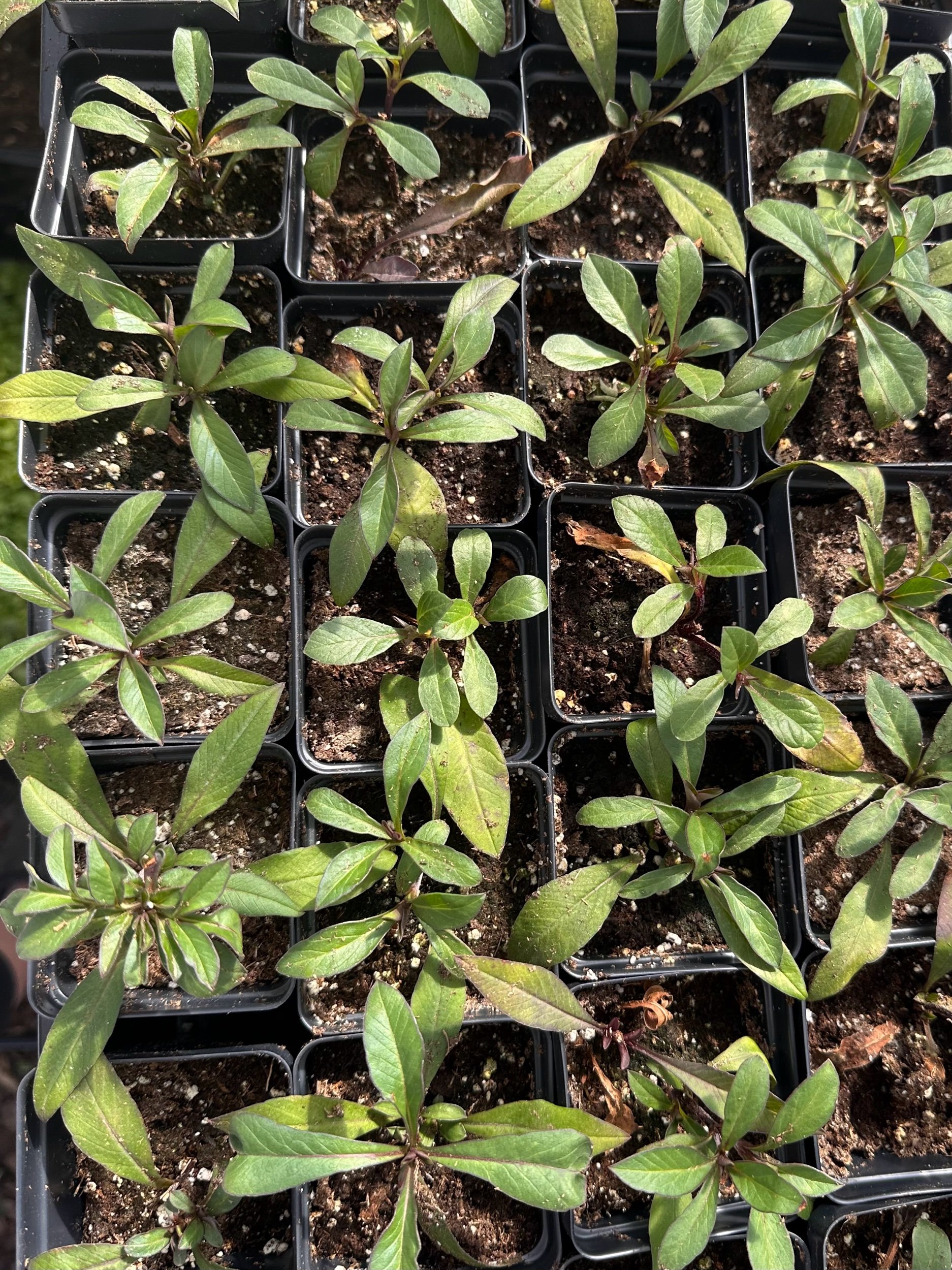
This little beauty is a big improvement over seed grown strains. It branches freely, and is more heat tolerant and mildew resistant than older cultivars. It is vegetatively propagated and patented so propagation is prohibited.
Some folks find them finicky while others have great success, and I don't know the exact combination of conditions that make them thrive.
Plugs sourced from Gro ‘n Sell/Farmer Bailey and then lovingly grown to have a larger root ball filling a 2.5” pot.
Specs:
2.5” pot
Common Name
Cosmos, garden cosmos, Mexican asters
Genus
Cosmos
Species C. bipinnatus
Family
Asteraceae
Life Cycle
Tender Annual
Netting / Staking
One or two layers of netting is beneficial in areas with high wind.
Temperature RangePlants can not tolerate freezing at any point in the growth cycle. They can handle the heat of summertime and are a crop suitable for most zones.
Spacing
9-12"
Soil Preference
Loose, well draining soil with low fertility. Too much nutrient content will cause heavy foliar growth and few flowers.
Day Length
Short day plants - flowering is triggered as days get shorter, typically towards the end of summer. If stressed rootbound or drought conditions) they will flower prematurely. If growing in a greenhouse through the winter, additional lighting will be required to mimic long days for the vegetative state.
Pinching
Pinch once when the plants are about 6" high, down to a few sets of leaves to encourage side branching. If the plants try to flower prematurely, continue to pinch off buds and flowers until you start seeing longer stems.
Harvesting
Expect flowers approximately 45-60 days after planting plugs (dependent on weather and temperature). Harvest when flowers are just starting to open for the longest vase life. Mature side buds will also open in the vase. Cut deeply into the plant for long stems and to promote additional side branching. If flowers are left to open fully they will get pollinated and vase life will suffer.
Post Harvest Care
Place cut stems immediately into cool water. Floral preservative will extend vase life - expect stems to last just shy of one week. Can be stored in the cooler for a short period of time.
Diseases / Insects
During long stretches of heat and humidity powdery mildew and bacterial wilt may be seen.
Common insect pests include aphids, thrips and Japanese beetles.
Bailey's Notes
Do not allow plants to set seed - keep up with harvesting and deadheading or the plant will start to shut down.
Some growers will use stems of cosmos foliage as a filler in bouquets - they have reported a good vase life although we don't have personal experience to support this claim.
PLUG SOURCE:
*Item description and growing information sourced from the seed company and linked accordingly
** if there are no images of the product it means that I have not grown that specific variety in the past. product images are available to review on the seed company’s website
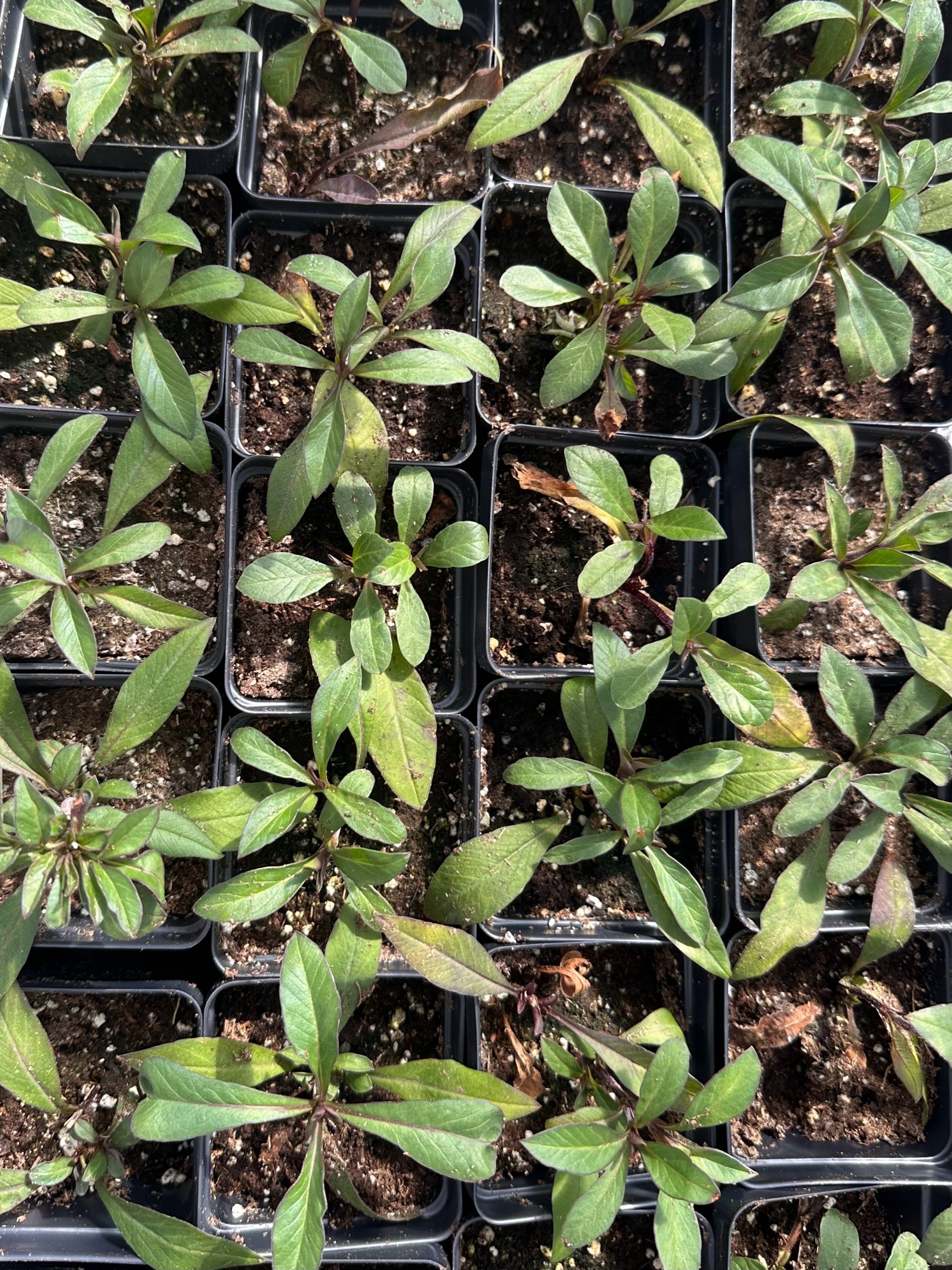
This little beauty is a big improvement over seed grown strains. It branches freely, and is more heat tolerant and mildew resistant than older cultivars. It is vegetatively propagated and patented so propagation is prohibited.
Some folks find them finicky while others have great success, and I don't know the exact combination of conditions that make them thrive.
Plugs sourced from Farmer Bailey/Grow ‘n Sell and then lovingly grown to have a larger root ball filling a 2.5” pot.
Specs:
2.5” pot
Common Name
Cosmos, garden cosmos, Mexican asters
Genus
Cosmos
Species
C. bipinnatus
Family
Asteraceae
Life Cycle
Tender Annual
Netting / Staking
One or two layers of netting is beneficial in areas with high wind.
Temperature Range
Plants can not tolerate freezing at any point in the growth cycle. They can handle the heat of summertime and are a crop suitable for most zones.
Spacing
9-12"
Soil Preference
Loose, well draining soil with low fertility. Too much nutrient content will cause heavy foliar growth and few flowers.
Day Length
Short day plants - flowering is triggered as days get shorter, typically towards the end of summer. If stressed rootbound or drought conditions) they will flower prematurely. If growing in a greenhouse through the winter, additional lighting will be required to mimic long days for the vegetative state.
Pinching
Pinch once when the plants are about 6" high, down to a few sets of leaves to encourage side branching. If the plants try to flower prematurely, continue to pinch off buds and flowers until you start seeing longer stems.
Harvesting
Expect flowers approximately 45-60 days after planting plugs (dependent on weather and temperature). Harvest when flowers are just starting to open for the longest vase life. Mature side buds will also open in the vase. Cut deeply into the plant for long stems and to promote additional side branching. If flowers are left to open fully they will get pollinated and vase life will suffer.
Post Harvest Care
Place cut stems immediately into cool water. Floral preservative will extend vase life - expect stems to last just shy of one week. Can be stored in the cooler for a short period of time.
Diseases / Insects
During long stretches of heat and humidity powdery mildew and bacterial wilt may be seen.
Common insect pests include aphids, thrips and Japanese beetles.
Bailey's Notes
Do not allow plants to set seed - keep up with harvesting and deadheading or the plant will start to shut down.
Some growers will use stems of cosmos foliage as a filler in bouquets - they have reported a good vase life although we don't have personal experience to support this claim.
PLUG SOURCE:
*Item description and growing information sourced from the seed company and linked accordingly
** if there are no images of the product it means that I have not grown that specific variety in the past. product images are available to review on the seed company’s website
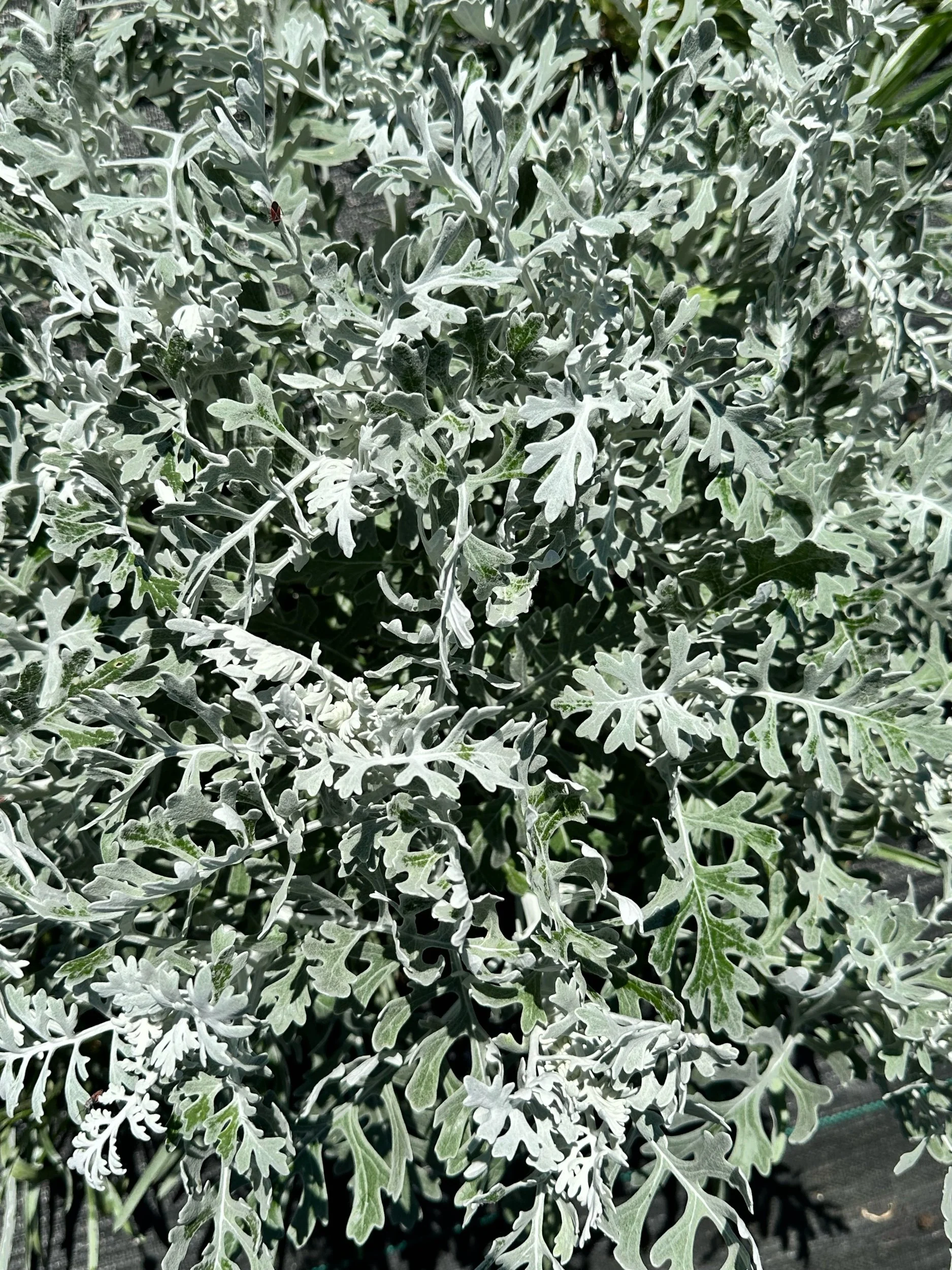
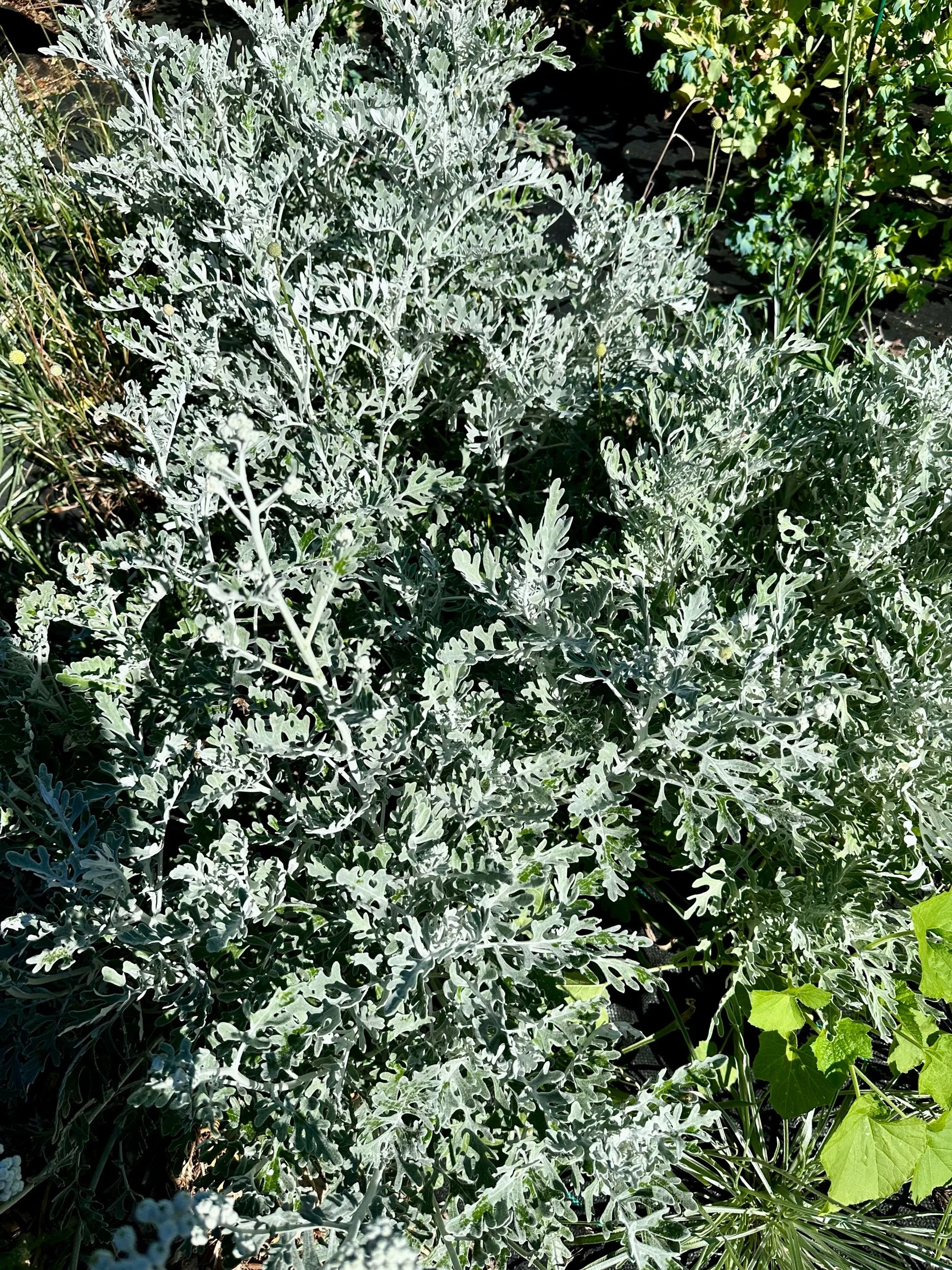
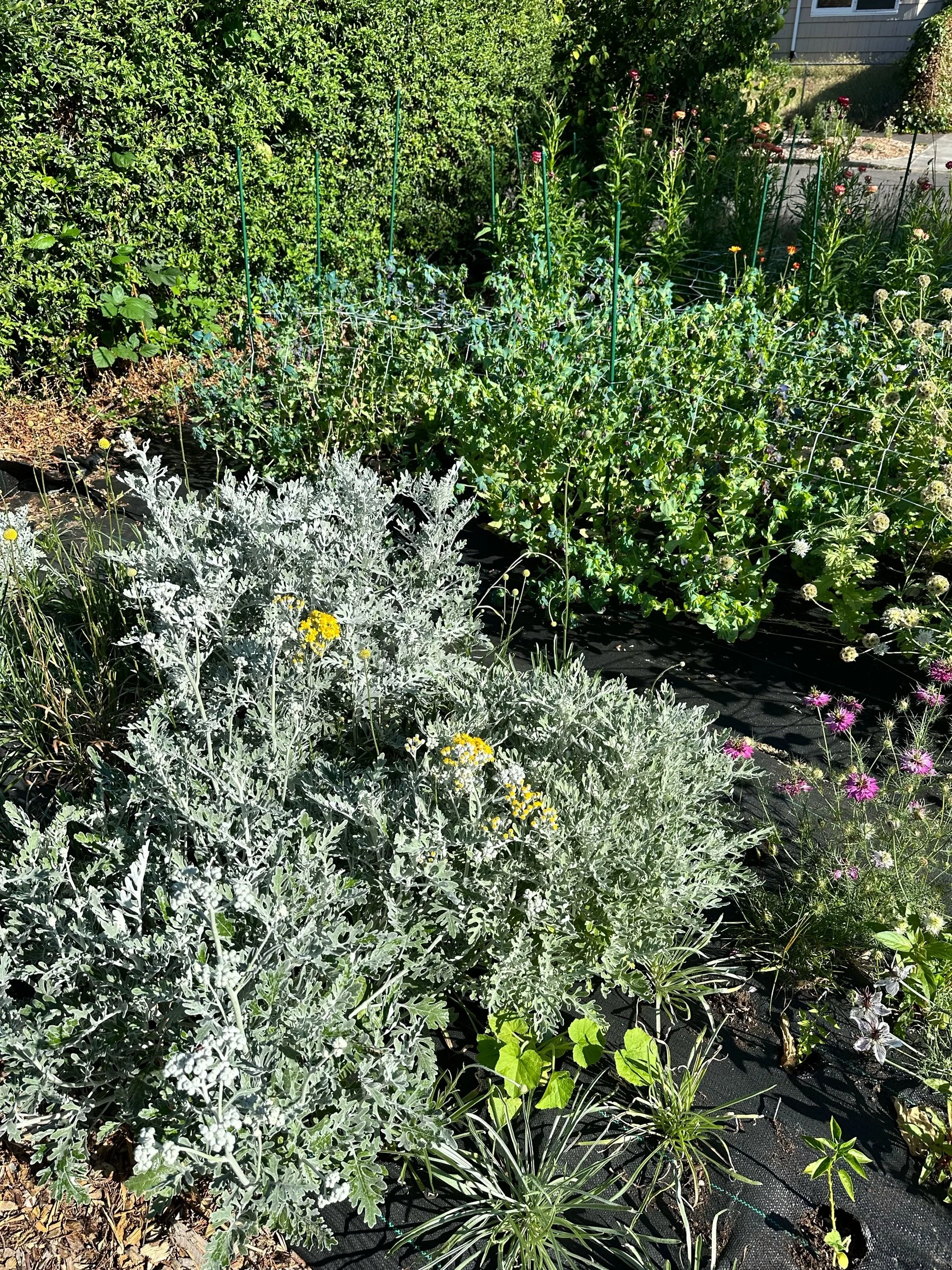
Tallest dusty miller for cut foliage.
Candicans is taller and more productive than other dusty miller varieties in our trials, making it a good choice for cut-flower production. Compared to Silverdust, Candicans is taller, more vigorous, a bit more variable in plant architecture, and its leaves are not as deeply lobed. Otherwise, overall appearance is very similar. Dusty Miller's silvery foliage is a very popular cut-flower foliage for elegant bouquets. 3–7" long, velvety leaves with a snowflake appearance. Plants produce yellow flowers the second year from seeding, primarily in the southern states. Flowers are commonly removed to encourage foliage growth. Tender perennial in Zones 8–10.
Specs:
Plant Height: 16-24"
2” soil block
LIGHT PREFERENCE:
Sun.
SOIL REQUIREMENTS:
Average, well-drained soil.
PLANT SPACING:
9-12".
HARDINESS ZONES:
Tender perennial in Zones 8-10.
HARVEST:
Fresh or dried: Harvest stems at desired length. Hang to dry.
USES:
Excellent bedding plant, great for mixed containers, and fresh cut filler.
SCIENTIFIC NAME:
Senecio cineraria
SEED SOURCE:
*Item description and growing information sourced from the seed company and linked accordingly
** if there are no images of the product it means that I have not grown that specific variety in the past. product images are available to review on the seed company’s website
Classic florists' eucalyptus.
Very similar to Baby Blue. Robust plants produce column-like, sturdy stems packed with waxy, silvery blue leaves. Round, 2" leaves. Also known as silverleaf mountain gum, gum, and euc. Tender perennial in Zones 9–11.
Specs:
Plant Height: 36–48"
2” soil block
LIGHT PREFERENCE:
Sun.
PLANT HEIGHT:
Varies.
PLANT SPACING:
12-24".
HARDINESS ZONES:
Zones 9-11. Eucalyptus may be grown as a perennial in areas that receive no frost or with adequate protection from frost in cooler regions.
HARVEST:
After leaves start to feel leathery and stems are woody. Fresh cut stems can be hung to dry or preserved in a glycerin and water solution. Preserving with glycerin will result in more durable and pliable dried stems that have the appearance of freshly cut foliage.
SOIL REQUIREMENTS:
Well-drained, fertile soil.
USES:
Excellent cut or dried flower foliage. Accent in beds. Excellent container plants.
ALTERNATE NAMES:
Cider gum, gum, euc
SEED SOURCE:
*Item description and growing information sourced from the seed company and linked accordingly
** if there are no images of the product it means that I have not grown that specific variety in the past. product images are available to review on the seed company’s website
Large silvery blue-green leaves appear to be strung on the stem.
The most popular foliage for fresh, dried, or preserved use for large bunches and decorating. Also known as gum and euc. Tender perennial in Zones 9–11.
Specs:
Plant Height: 24–36"
2” soil block
LIGHT PREFERENCE:
Sun.
PLANT HEIGHT:
Varies.
PLANT SPACING:
12-24".
HARDINESS ZONES:
Zones 9-11. Eucalyptus may be grown as a perennial in areas that receive no frost or with adequate protection from frost in cooler regions.
HARVEST:
After leaves start to feel leathery and stems are woody. Fresh cut stems can be hung to dry or preserved in a glycerin and water solution. Preserving with glycerin will result in more durable and pliable dried stems that have the appearance of freshly cut foliage.
SOIL REQUIREMENTS:
Well-drained, fertile soil.
USES:
Excellent cut or dried flower foliage. Accent in beds. Excellent container plants.
ALTERNATE NAMES:
Cider gum, gum, euc
SEED SOURCE:
*Item description and growing information sourced from the seed company and linked accordingly
** if there are no images of the product it means that I have not grown that specific variety in the past. product images are available to review on the seed company’s website
Best variety for bouquets.
Small, silvery green leaves on well-branched stems are ideal for fresh or dried bouquets. Also known as cider gum, gum, and euc. Tender perennial in Zones 9–11.
Specs:
Plant Height: 24–36"
2” soil block
LIGHT PREFERENCE:
Sun.
PLANT HEIGHT:
Varies.
PLANT SPACING:
12-24".
HARDINESS ZONES:
Zones 9-11. Eucalyptus may be grown as a perennial in areas that receive no frost or with adequate protection from frost in cooler regions.
HARVEST:
After leaves start to feel leathery and stems are woody. Fresh cut stems can be hung to dry or preserved in a glycerin and water solution. Preserving with glycerin will result in more durable and pliable dried stems that have the appearance of freshly cut foliage.
SOIL REQUIREMENTS:
Well-drained, fertile soil.
USES:
Excellent cut or dried flower foliage. Accent in beds. Excellent container plants.
ALTERNATE NAMES:
Cider gum, gum, euc
SEED SOURCE:
*Item description and growing information sourced from the seed company and linked accordingly
** if there are no images of the product it means that I have not grown that specific variety in the past. product images are available to review on the seed company’s website
Vigorous plants with large leaves.
A favorite in our trials. Silvery green leaves shimmer on tall stems. Upright plants produce sturdy stems that are easy to strip and clean. Large round leaves alternate on reddish-green stems. Some variability in plant height—in our trials, plants ranged from 30–60" tall, with most reaching at least 48". Also known as 'Silver Dollar', gum, and euc. Tender perennial in Zones 9–11.
Specs:
Plant Height: varies
2” soil block
LIGHT PREFERENCE:
Sun.
PLANT HEIGHT:
Varies.
PLANT SPACING:
12-24".
HARDINESS ZONES:
Zones 9-11. Eucalyptus may be grown as a perennial in areas that receive no frost or with adequate protection from frost in cooler regions.
HARVEST:
After leaves start to feel leathery and stems are woody. Fresh cut stems can be hung to dry or preserved in a glycerin and water solution. Preserving with glycerin will result in more durable and pliable dried stems that have the appearance of freshly cut foliage.
SOIL REQUIREMENTS:
Well-drained, fertile soil.
USES:
Excellent cut or dried flower foliage. Accent in beds. Excellent container plants.
ALTERNATE NAMES:
Cider gum, gum, euc
SEED SOURCE:
*Item description and growing information sourced from the seed company and linked accordingly
** if there are no images of the product it means that I have not grown that specific variety in the past. product images are available to review on the seed company’s website
Airy, dark blue-green eucalyptus.
Shrub-like, compact habit in our annual trials, reaching 2–3' tall. Fine-leaf shape has a delicate appearance. Dark blue-green leaves contrast with red stems. Uniform plant habit.
Specs:
Plant Height: 20–36"
2” soil block
LIGHT PREFERENCE:
Sun.
PLANT HEIGHT:
Varies.
PLANT SPACING:
12-24".
HARDINESS ZONES:
Zones 9-11. Eucalyptus may be grown as a perennial in areas that receive no frost or with adequate protection from frost in cooler regions.
HARVEST:
After leaves start to feel leathery and stems are woody. Fresh cut stems can be hung to dry or preserved in a glycerin and water solution. Preserving with glycerin will result in more durable and pliable dried stems that have the appearance of freshly cut foliage.
SOIL REQUIREMENTS:
Well-drained, fertile soil.
USES:
Excellent cut or dried flower foliage. Accent in beds. Excellent container plants.
ALTERNATE NAMES:
Cider gum, gum, euc
SEED SOURCE:
*Item description and growing information sourced from the seed company and linked accordingly
** if there are no images of the product it means that I have not grown that specific variety in the past. product images are available to review on the seed company’s website
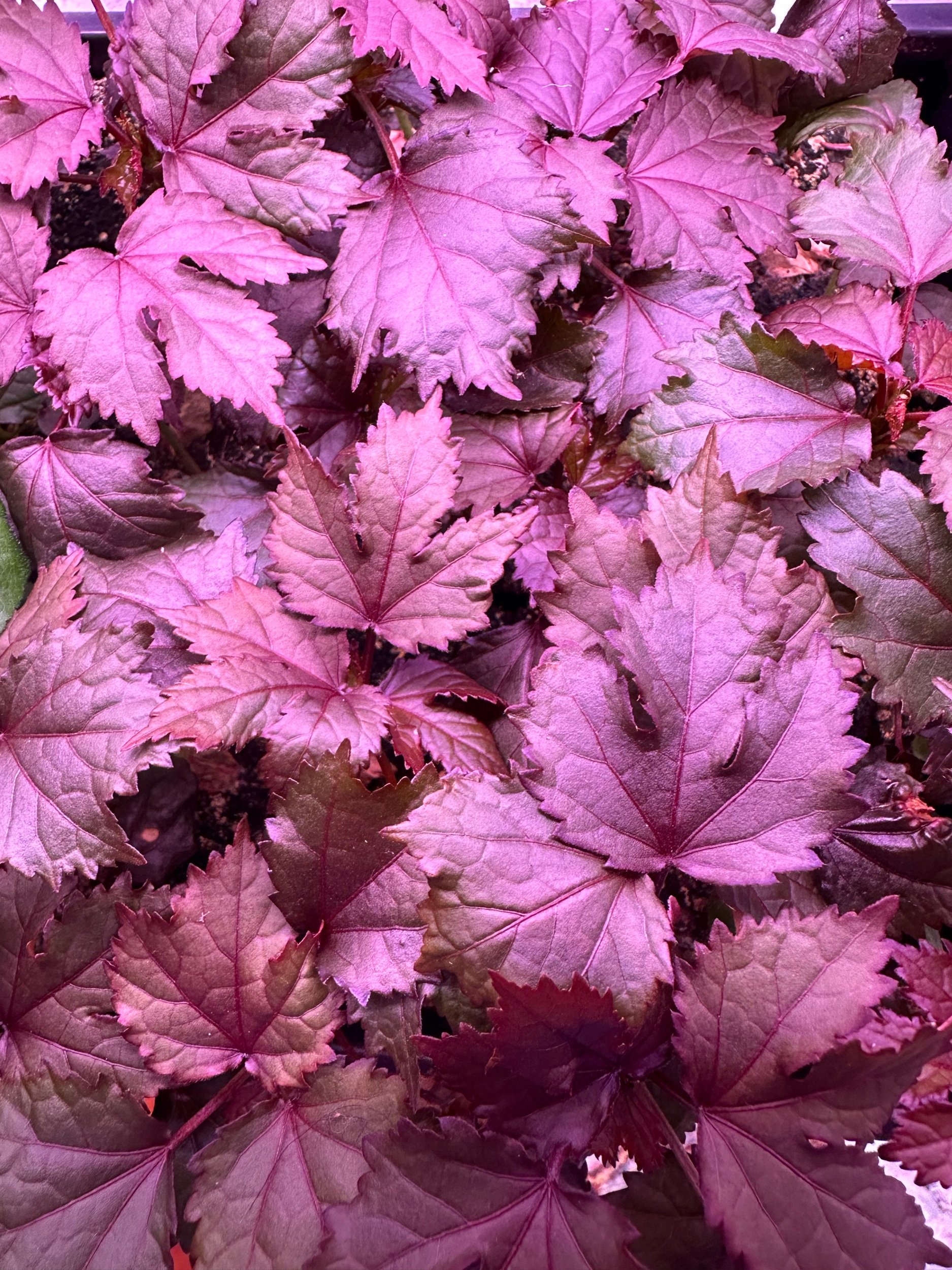
Deep mahogany-red foliage for cutting and garden accent.
Decorative, deeply cut foliage with maple-leaf appearance, rich color, and sturdy branches. Ideal for late summer and fall arrangements. Primarily grown for use as cut flower foliage, the vigorous, drought- and heat-tolerant plants are also suitable for containers and landscaping. The abundant color and tall stature make Mahogany Splendor a lovely backdrop in the garden or patio. NOTE: If grown indoors or in part shade, foliage will be green to rust in color; the mahogany color develops fully in full sun. Also known as red-leaf hibiscus, false roselle, African rose mallow, and cranberry hibiscus. Tropical, herbaceous perennial in Zones 8a–9b. Tender perennial or annual in all other growing zones.
Specs:
Plant Height: 40–70"
LIGHT PREFERENCE:
Sun. Hibiscus thrives in heat and humidity so is best grown in full sun.
PLANT HEIGHT:
40-70".
PLANT SPACING:
24-36".
HARDINESS ZONES:
Zones 8-9.
STEM LENGTH:
12-70". Pinching is not required but if plants are pinched at a young stage, lateral branches will benefit greatly in length and quality.
HARVEST:
For cut foliage, harvest once leaves are mature (not tender) and the stems are straight, firm, and at least slightly woody.
SOIL REQUIREMENTS:
Well-drained but moist soil with high organic matter. Preferred pH of 5.8-6.5.
NOTE:
Foliage will have green/rust tones in the greenhouse, but mature to burgundy in full sun outdoors.
SCIENTIFIC NAME:
Hibiscus acetosella
ALTERNATE NAMES:
False Roselle, African Rose Mallow
SEED SOURCE:
*Item description and growing information sourced from the seed company and linked accordingly
** if there are no images of the product it means that I have not grown that specific variety in the past. product images are available to review on the seed company’s website
Mint flavor and aroma in abundance.
White flowers attract bees, beneficial wasps, butterflies and other beneficial insects. Needs staking in windy locations. Used in potpourri, incense and as an ingredient in tea and natural insect repellent formulas. Sturdy, mint-scented foliage and flowers make excellent and highly fragrant additions to bouquets.
Specs:
2” soil block
LIGHT PREFERENCE:
Sun.
PLANT HEIGHT:
24-30".
PLANT SPACING:
12".
HARDINESS ZONES:
Zones 5-8.
HARVEST:
Leaves may be harvested throughout the growing season. Gather flowering tops and leaves in late summer to dry for winter use. Leaves may be used for making teas and scenting potpourris. Flowers can be used in dried arrangements.
SCIENTIFIC NAME:
Pycnanthemum pilosum
SEED SOURCE:
*Item description and growing information sourced from the seed company and linked accordingly
** if there are no images of the product it means that I have not grown that specific variety in the past. product images are available to review on the seed company’s website
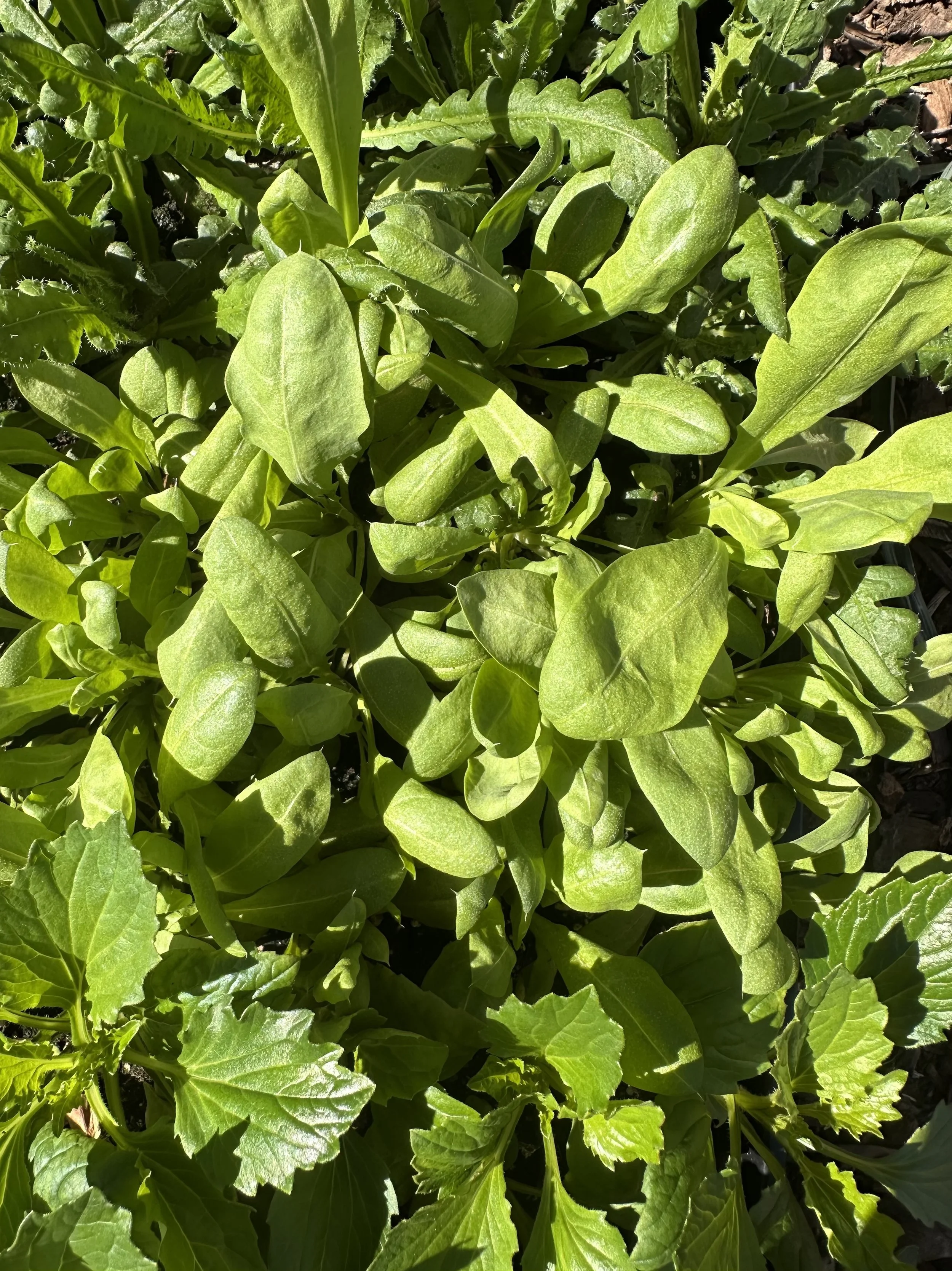
1 1/2–3" dark blue flower clusters. Robust plants produce strong stems in the field and greenhouse. Like many blue statice varieties, Forever Blue tends to bloom a bit later than other colors. Also known as annual statice and wavyleaf sea lavender.
Specs:
Plant Height: 24–30"
2” soil block
LIGHT PREFERENCE:
Sun.
PLANT HEIGHT:
24-30".
PLANT SPACING:
8-12".
HARDINESS ZONES:
Annual.
HARVEST:
Fresh or dried: When the individual flowers are mostly open and showing color. Hang to dry.
SOIL REQUIREMENTS:
Rich, well-drained soil.
USES:
Excellent for fresh and dried cut flowers.
SEED SOURCE:
*Item description and growing information sourced from the seed company and linked accordingly
** if there are no images of the product it means that I have not grown that specific variety in the past. product images are available to review on the seed company’s website
No results found
No results match your search. Try removing a few filters.