
check back in spring 2027!
grow your own bouquet!
curated for their stem length and vase life, there are annuals, perennials, cut flowers, foliage and fillers; everything you need to grow your own bouquet.
cold hardy
cold hardy
Filters
Filters
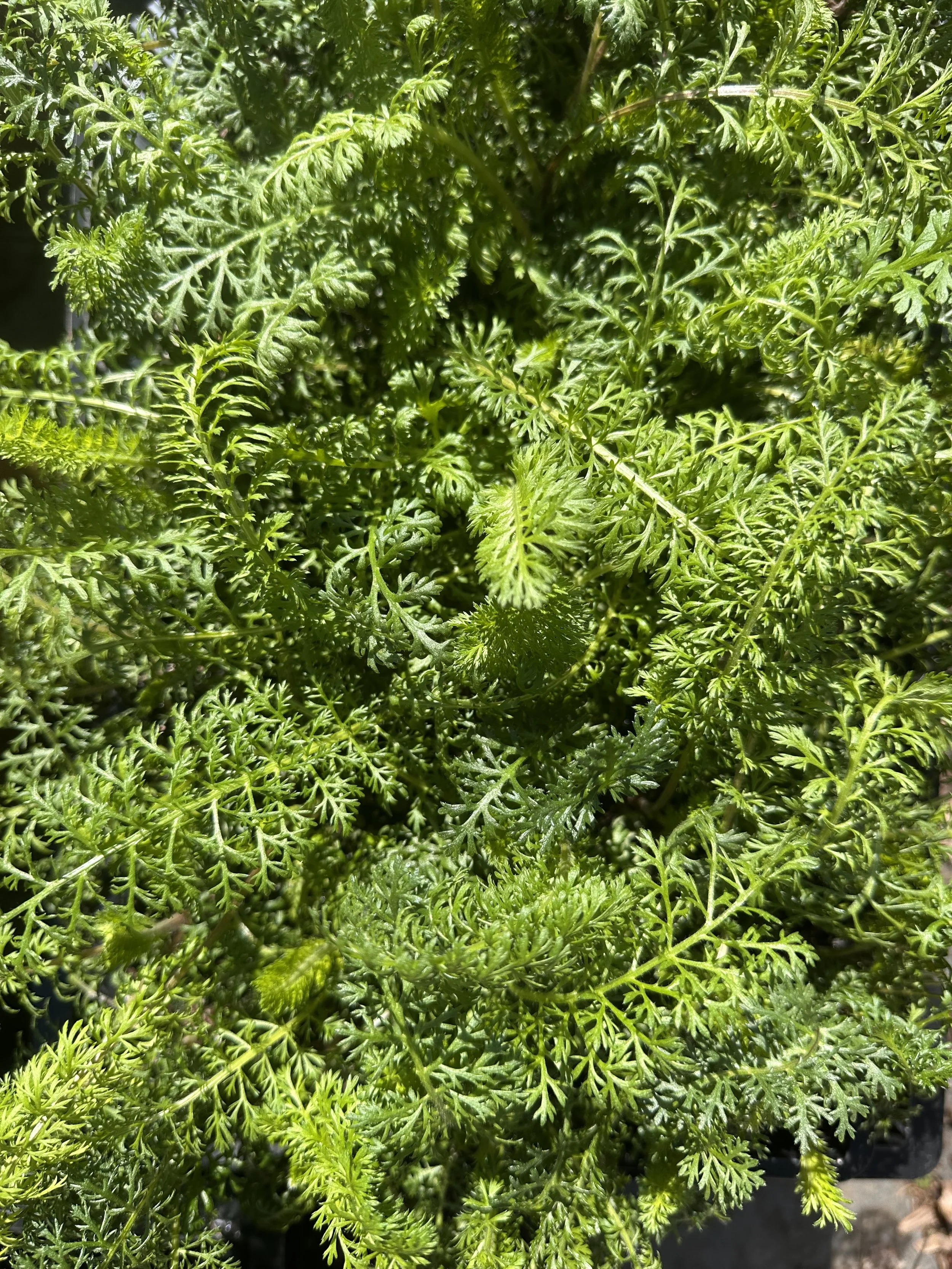
Long-lasting perennial.
Shades of sunny pastel blooms make excellent cut flowers and reliable perennial garden plants with decorative, fern-like foliage. As cut flowers, the 2–4" flat-topped flower heads on 24" stems add bulk, durability, and beauty to bouquets. Long vase life. Summer Pastels™ F2 population. Flowers first year from seed. Low maintenance. Tolerates drought once established. Perennial in Zones 2–9. AAS Winner.
Attracts and supports beneficial insects such as damsel bugs, lacewings, lady beetles, and parasitic wasps.
Specs:
Plant Height: 28–30"
LIGHT PREFERENCE:
Sun. Tolerant of part shade in garden beds.
PLANT HEIGHT:
28-30". May require support.
PLANT SPACING:
12-24".
HARDINESS ZONES:
Zones 2-9.
VASE LIFE:
7-12 days.
HARVEST:
When pollen is visible on the flowers. Hang to dry
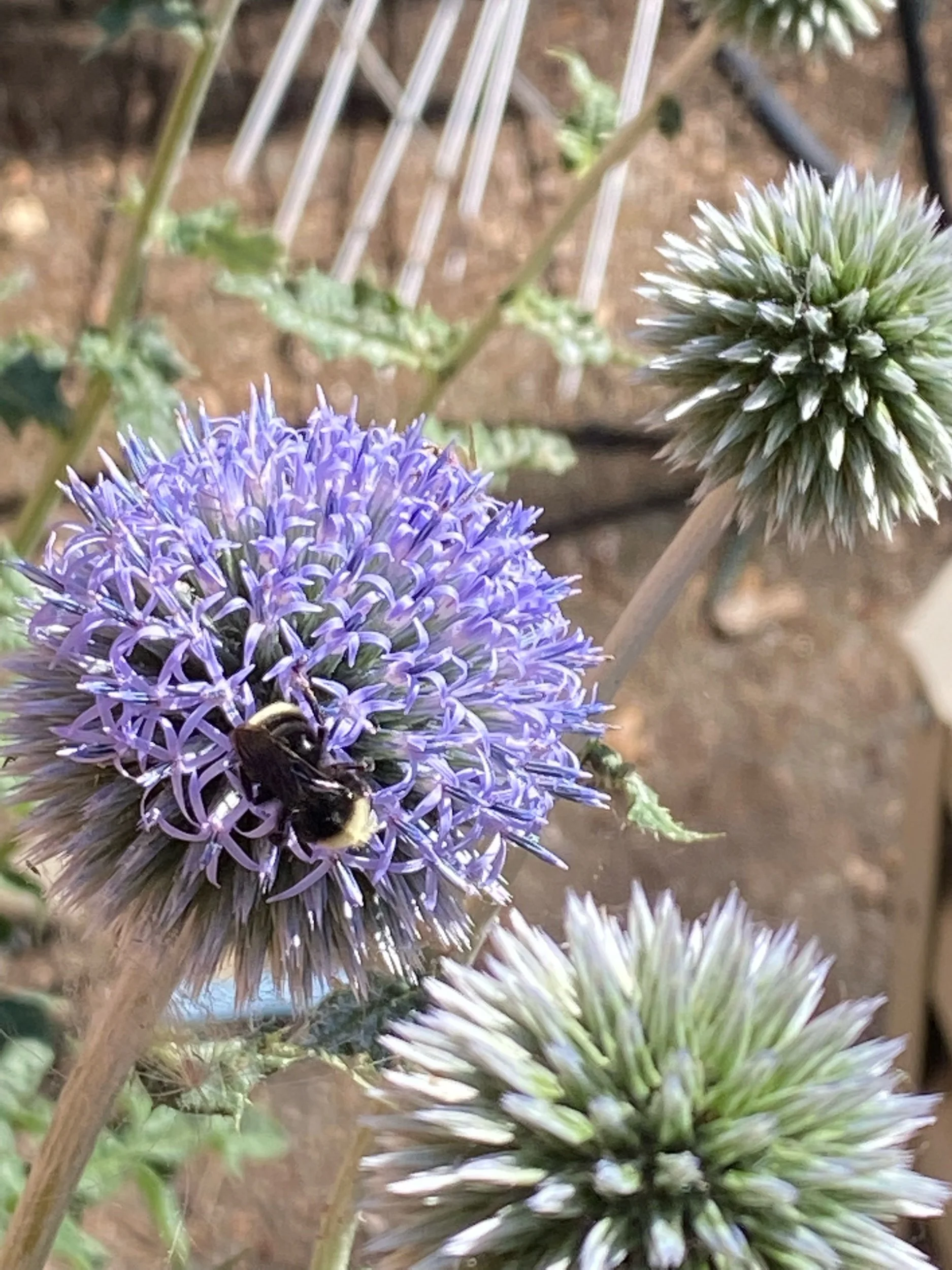
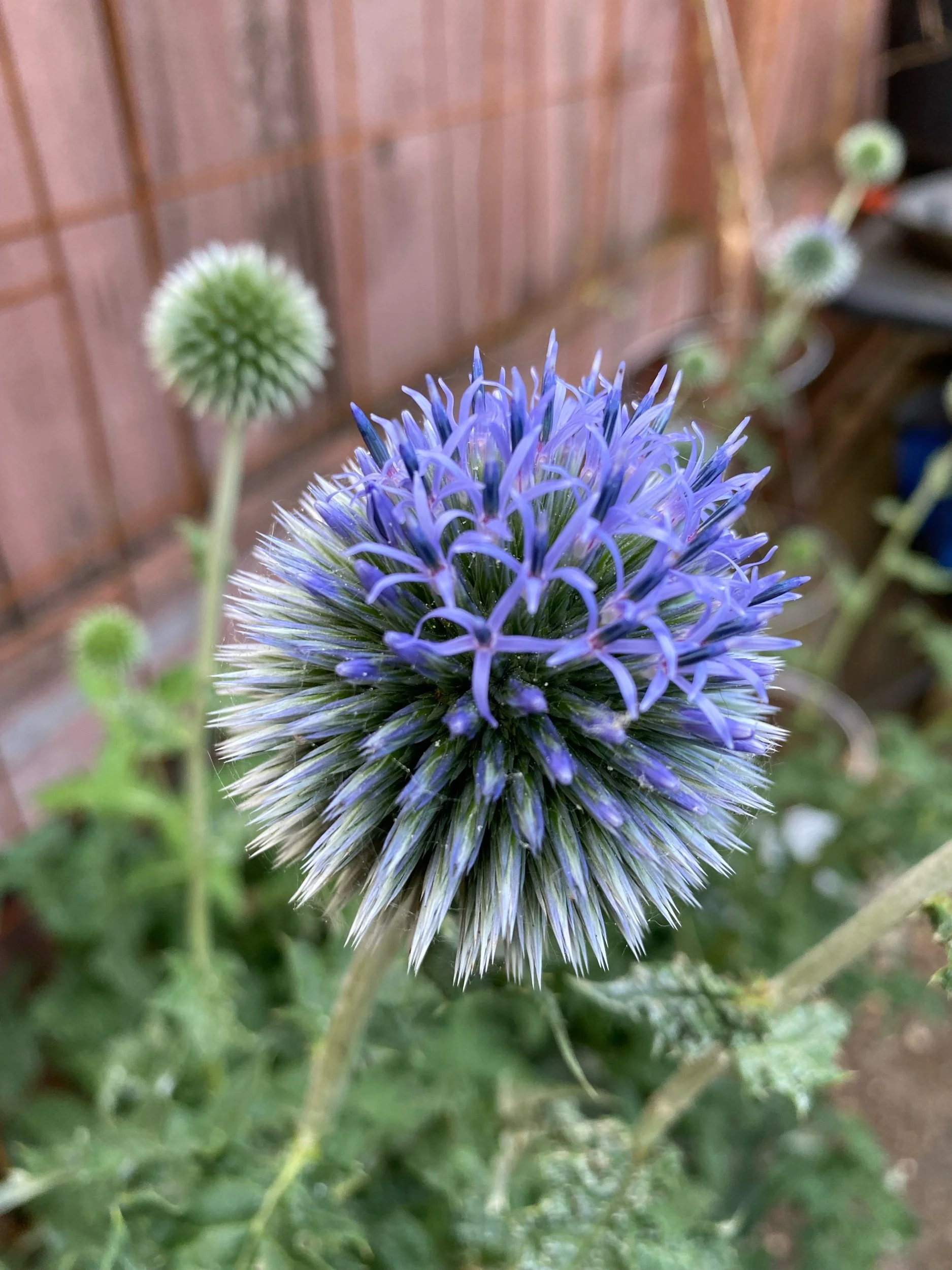
Perennial plant with ornamental blue globes.
1–3" wide globes take on a steel-blue hue as they mature. Dries well. Globes add texture and color to fresh and dried arrangements. Spines are minimal compared to similar types, but gloves are recommended for harvesting as the leaves and stems are a bit prickly. Begins blooming mid-summer in the second year after planting. Tolerant of hot, dry growing conditions, once established. Also commonly known as southern globethistle. Perennial in zones 3–8.
Specs:
30-48” tall
2” soil block
LIGHT PREFERENCE:
Sun.
PLANT HEIGHT:
30-48".
PLANT SPACING:
18-24". Divide after 4-5 years to prevent overcrowding.
HARDINESS ZONES:
Zones 5-9.
HARVEST:
Fresh cut or dried - Harvest when 1/2 to 3/4 of the globe has turned blue. Hang to dry. If harvested too late, the globes will shatter.
SOIL REQUIREMENTS:
Average, well-drained soil. Tolerates hot, dry, and poor soils conditions, once established.
USES:
Fresh or dried cut flower. Holds color perfectly as a dried flower. Mid-border perennial beds. Loved by bees.
SCIENTIFIC NAME:
Echinops ritro
ALTERNATE NAMES:
Globe thistle, southern globethistle
SEED SOURCE:
*Item description and growing information sourced from the seed company and linked accordingly
** if there are no images of the product it means that I have not grown that specific variety in the past. product images are available to review on the seed company’s website
Mint flavor and aroma in abundance.
White flowers attract bees, beneficial wasps, butterflies and other beneficial insects. Needs staking in windy locations. Used in potpourri, incense and as an ingredient in tea and natural insect repellent formulas. Sturdy, mint-scented foliage and flowers make excellent and highly fragrant additions to bouquets.
Specs:
2” soil block
LIGHT PREFERENCE:
Sun.
PLANT HEIGHT:
24-30".
PLANT SPACING:
12".
HARDINESS ZONES:
Zones 5-8.
HARVEST:
Leaves may be harvested throughout the growing season. Gather flowering tops and leaves in late summer to dry for winter use. Leaves may be used for making teas and scenting potpourris. Flowers can be used in dried arrangements.
SCIENTIFIC NAME:
Pycnanthemum pilosum
SEED SOURCE:
*Item description and growing information sourced from the seed company and linked accordingly
** if there are no images of the product it means that I have not grown that specific variety in the past. product images are available to review on the seed company’s website
Beloved by pollinators and tea aficionados alike. A perennial that blooms in the first year, it is hardy from USDA zones 4-8. Considered extremely easy to grow, this is a top choice for beds, borders, herb gardens, and even containers. The leaves and flowers are used to make one of the best herb teas; the foliage possesses a naturally sweet, wonderful anise taste and fragrance. Bees love the pretty purple flower spikes! There are myriad medicinal and culinary uses for this amazing plant.
Specs:
2” soil block
LIGHT PREFERENCE:
Sun.
PLANT HEIGHT:
24-30". Support may be needed to ensure straight stems.
PLANT SPACING:
12-18".
HARDINESS ZONES:
Zones 5-9.
SOIL REQUIREMENTS:
Average to rich soil with good drainage.
HISTORY:
Native to North America. Known as a bedding plant popular for its edible flowers and as a pollinator attractor.
USES:
Ornamental with aromatic, edible leaves
Perennial beds, tea garden, pollinator garden. Visited by a range of bees, butterflies, and hummingbirds
SCIENTIFIC NAME:
Craspedia globosa
SEED SOURCE:
*Item description and growing information sourced from the seed company and linked accordingly
** if there are no images of the product it means that I have not grown that specific variety in the past. product images are available to review on the seed company’s website
You don’t have to be a professional to see why Salmon Queen reigns supreme among floral designers and flower farmers. This enchanting variety is somewhere between coral and salmon pink, just divine for the cutting garden or integrating into the landscape. Plants reach 32 inches tall, with strong wiry stems and fully double heads, making it ideal for everything from wedding displays to casual arrangements. This mid-summer bloomer will easily thrive in gardens zones 3-8.
Specs:
Plant Height: 24–36"
2” soil block
LIGHT PREFERENCE:
Sun.
PLANT HEIGHT:
24-36".Plant supports(such as Hortonova used as a horizontal trellis) are required.
PLANT SPACING:
9-15".
HARDINESS ZONES:
Annual.
HARVEST:
Fresh-cut or dried: Harvest when seed heads are light green with dark-bronze edges and the star-shaped centers are just turning black. If harvested after the centers have fully turned, or begun to fall out, the seed head will shatter and will not be useful.
Scabiosa atropurpurea: Flowers almost fully open. Scabiosa stellata
SEED SOURCE:
*Item description and growing information sourced from the seed company and linked accordingly
** if there are no images of the product it means that I have not grown that specific variety in the past. product images are available to review on the seed company’s website
Unique, long-lasting textural accent.
1" globes on long, stiff stems are easy to harvest and use as cut flowers. Grass-like, silvery green foliage. As a cut flower, it has a long vase life and as a dried flower, it retains its color. Tolerates heat. Craspedia is also known as drumsticks. Tender perennial in Zones 8–11.
Specs:
Plant Height: 24-30"
2” soil block
LIGHT PREFERENCE:
Sun.
PLANT HEIGHT:
24-30". Support may be needed to ensure straight stems.
PLANT SPACING:
9-12".
HARDINESS ZONES:
Zones 8-11.
HARVEST:
Fresh or dried: When flower heads are fully open and uniformly golden. Hang to dry.
SOIL REQUIREMENTS:
Average soil with good drainage.
USES:
Excellent cut and dried flower. Beds, borders, and mass plantings.
SCIENTIFIC NAME:
Craspedia globosa
SEED SOURCE:
*Item description and growing information sourced from the seed company and linked accordingly
** if there are no images of the product it means that I have not grown that specific variety in the past. product images are available to review on the seed company’s website
(Salvia nutans). A charming heirloom perennial. Native from eastern Europe to the Caucasus, Nodding Sage dazzles with its vibrant violet to soft pink blossoms, swaying gracefully in the breeze. Standing 2 to 3 feet tall, its tubular flowers hang delicately above aromatic, fuzzy foliage. Thriving in full sun to partial shade with well-drained soil, it attracts hummingbirds, butterflies, and bees all season long. Revered for its ease of growth and ecological benefits, this superstar brings a natural burst of color and cultural significance to any garden. With its wild, pollinator-friendly allure, it’s perfect for vibrant, effortless elegance.
2” soil block
SEED SOURCE:
*Item description and growing information sourced from the seed company and linked accordingly
** if there are no images of the product it means that I have not grown that specific variety in the past. product images are available to review on the seed company’s website
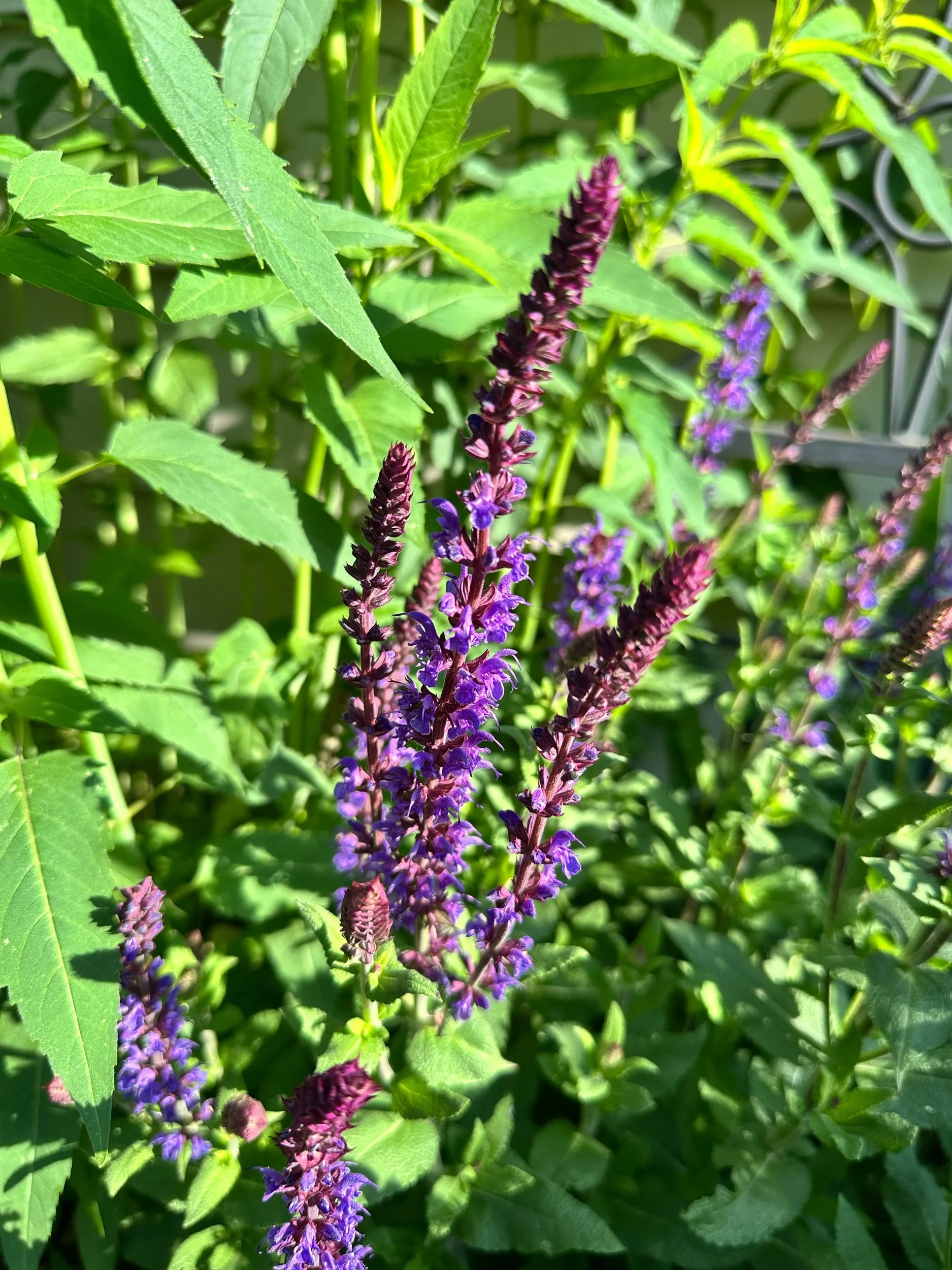
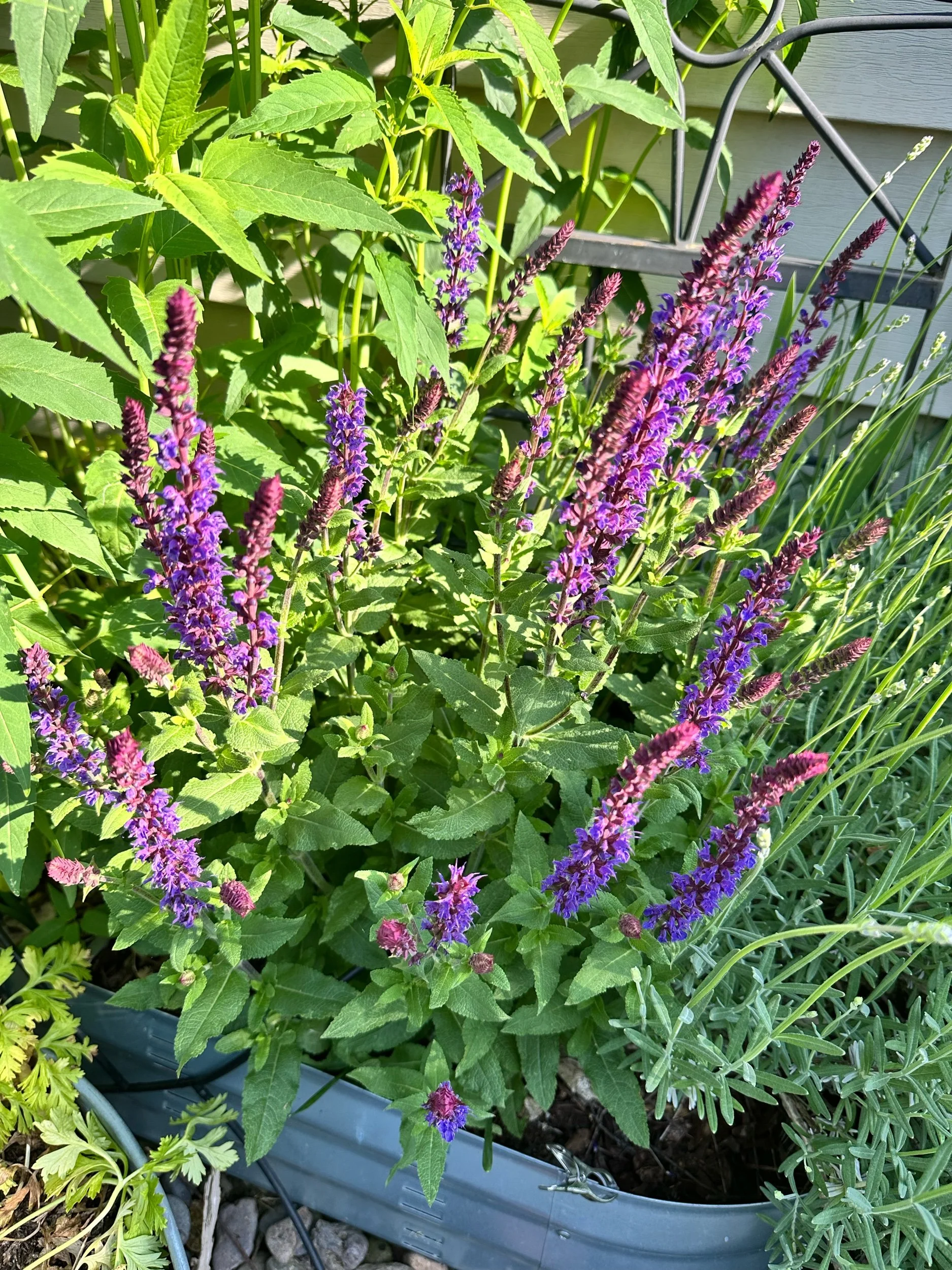
Cheerful blend of pollinator-friendly blooms. Rosy pink and violet spikes are aromatic and nectar rich; this mix is honeybee heaven! Perennial, easy to grow, bushy 2-foot tall plants fill in quickly, creating a mass of color from May until September. Tolerates poor soil and loves full sun.
8-12 hours of Sun
Sprouts in 10-30 Days
Ideal Temperature: 68-75 Degrees F
Seed Depth: 1/16"
Plant Spacing: 8"
Frost Hardy: Yes
Salvia nemorosa
2” soil block
SEED SOURCE:
*Item description and growing information sourced from the seed company and linked accordingly
** if there are no images of the product it means that I have not grown that specific variety in the past. product images are available to review on the seed company’s website
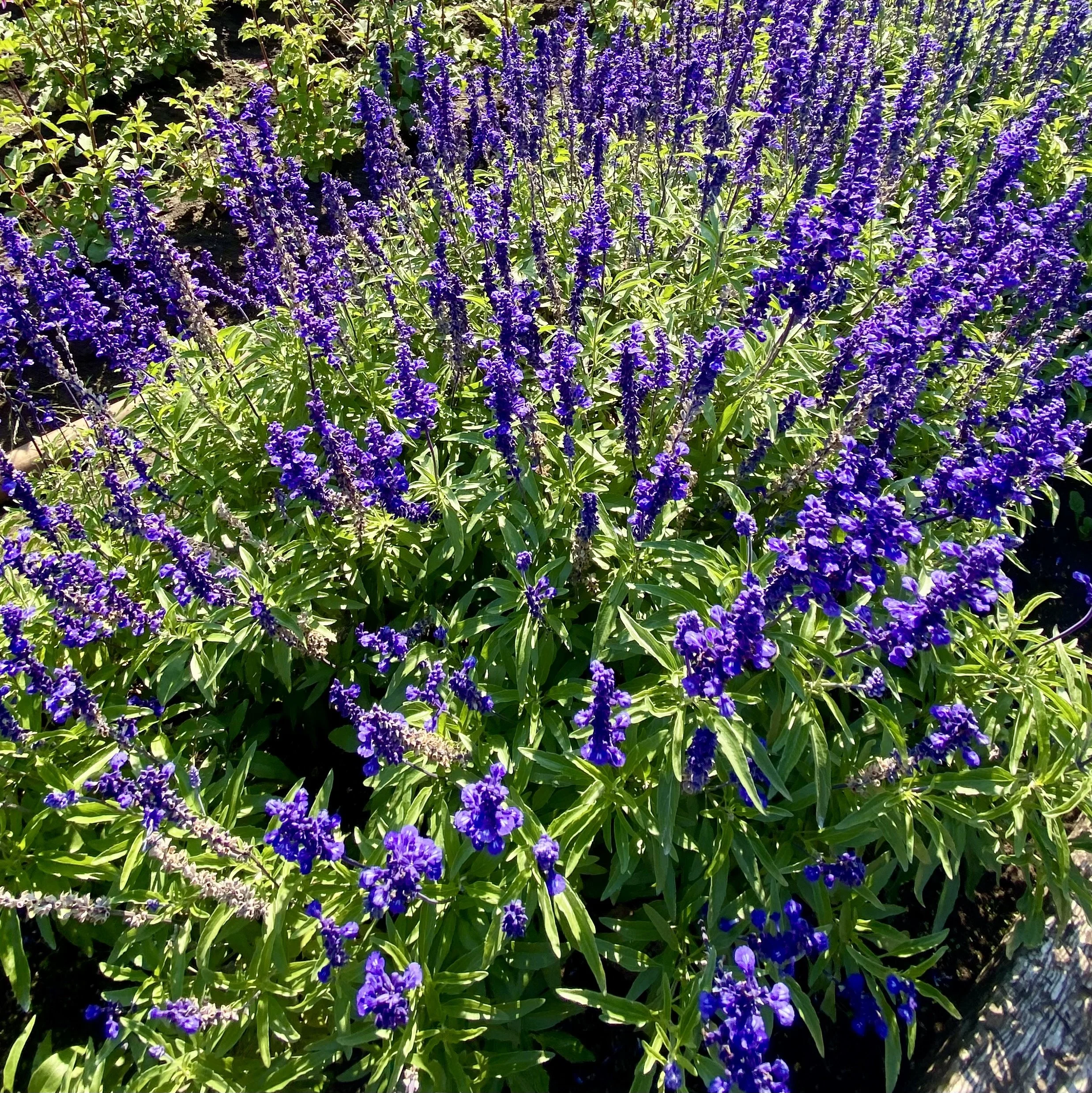
Dense 5–8", deep-blue spikes bloom summer to frost.
A bit shorter, a week later to flower, and a deeper blue than Gruppenblau. Uniform plants tolerate heat, humidity, and poor soils. Well-suited for mass plantings. Strong, thin stems are harvested fresh or dried when bottom 3–4 flowers open. Also known as mealycup sage and mealy-cup sage. Tender perennial in Zones 8–10.
Specs:
Plant Height: 18-24"
2” soil block
LIGHT PREFERENCE:
Sun/Part Shade.
PLANT HEIGHT:
18-24".
PLANT SPACING:
10-14".
HARDINESS ZONES:
Zones 8-10.
HARVEST:
For harvest either as a fresh or dried flower, harvest when the bottom 3–4 flowers have opened. Hang to dry.
SOIL REQUIREMENTS:
Average soil.
USES:
Long-lasting cut flower, and can also be dried. Excellent in beds, borders, containers, and planted en masse.
SCIENTIFIC NAME:
Salvia farinacea.
ALTERNATE NAMES:
Mealy blue sage, mealy sage, mealycup sage, blue salvia.
SEED SOURCE:
*Item description and growing information sourced from the seed company and linked accordingly
** if there are no images of the product it means that I have not grown that specific variety in the past. product images are available to review on the seed company’s website
Elegant fresh or dried flower.
Masses of white, woolly, nodding, 6" plumes on graceful plants forming 12" clumps. Showy accent in any landscape. Tender perennial in Zones 9–10, but grow as hardy annual.
Specs:
Plant Height: 12–24"
2” soil block
LIGHT PREFERENCE:
Sun.
PLANT HEIGHT:
20-28".
PLANT SPACING:
9-12".
HARDINESS ZONES:
Zones 9-10.
HARVEST:
Fresh cut or dried – Harvest just before seed heads shed pollen and are still light-green in color. Seed heads harvested once they have shed pollen tend to shatter.
SOIL REQUIREMENTS:
Average to light, porous soil.
USES:
Excellent fresh cut flower. May be dried. Charming naturalistic or mixed grass plantings. Effective planted in masses, tubs, and containers.
SCIENTIFIC NAME:
Lagurus ovatus
ALTERNATE NAMES:
Bunny tail grass, rabbit tail grass
SEED SOURCE:
*Item description and growing information sourced from the seed company and linked accordingly
** if there are no images of the product it means that I have not grown that specific variety in the past (or taken a good pic). product images are available to review on the seed company’s website
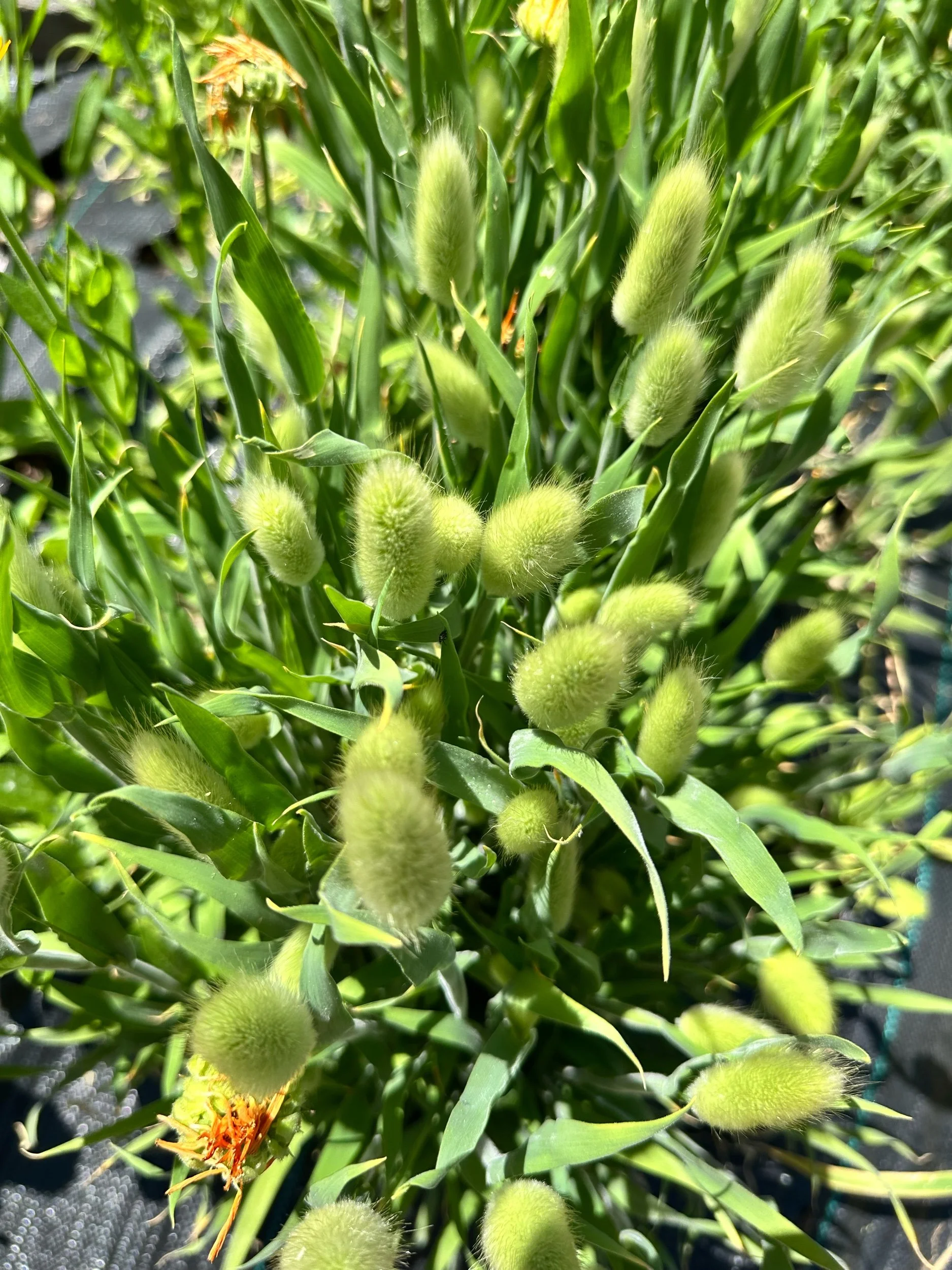
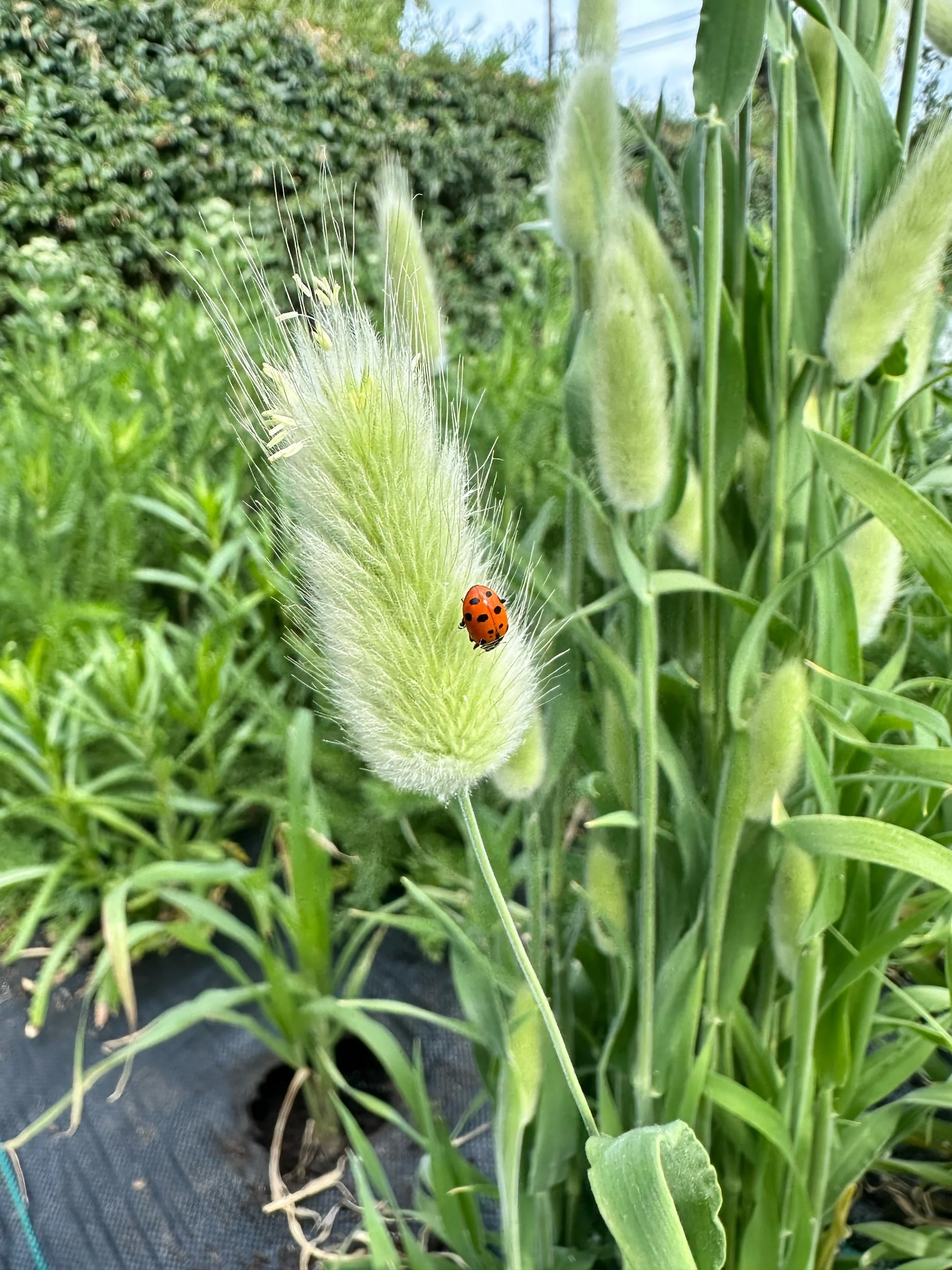
Soft, furry plumes are perfect for drying.
Charming, annual ornamental grass grown for its fuzzy, "bunny tail" blooms. 1 1/2–2" long oval, woolly blooms resemble a rabbit's tail. Flowers sit well above a clump of compact, light green grass. Very easy to dry. Holds well when dried; accepts dye readily. Developing flower heads are light green, maturing creamy white to soft wheat in color. Also known as bunny tail grass and rabbit tail grass.
Specs:
Plant Height: 12–24"
2” soil block
LIGHT PREFERENCE:
Sun.
PLANT HEIGHT:
20-28".
PLANT SPACING:
9-12".
HARDINESS ZONES:
Zones 8-10.
HARVEST:
Fresh cut or dried – Harvest just before seed heads shed pollen and are still light-green in color. Seed heads harvested once they have shed pollen tend to shatter.
SOIL REQUIREMENTS:
Average to light, porous soil.
USES:
Excellent fresh cut flower. May be dried. Charming naturalistic or mixed grass plantings. Effective planted in masses, tubs, and containers.
SCIENTIFIC NAME:
Lagurus ovatus
ALTERNATE NAMES:
Bunny tail grass, rabbit tail grass
SEED SOURCE:
*Item description and growing information sourced from the seed company and linked accordingly
** if there are no images of the product it means that I have not grown that specific variety in the past (or taken a good pic). product images are available to review on the seed company’s website
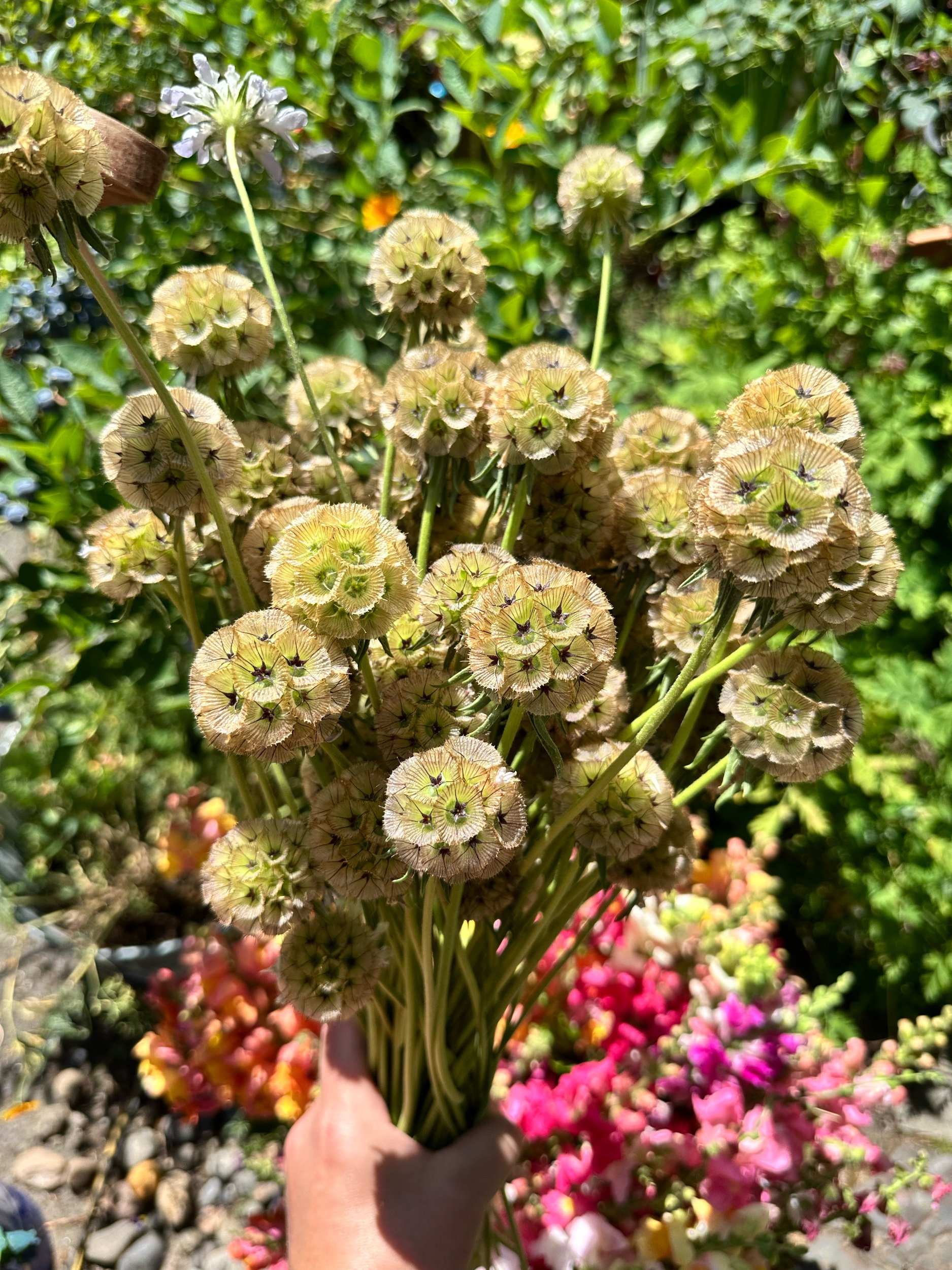
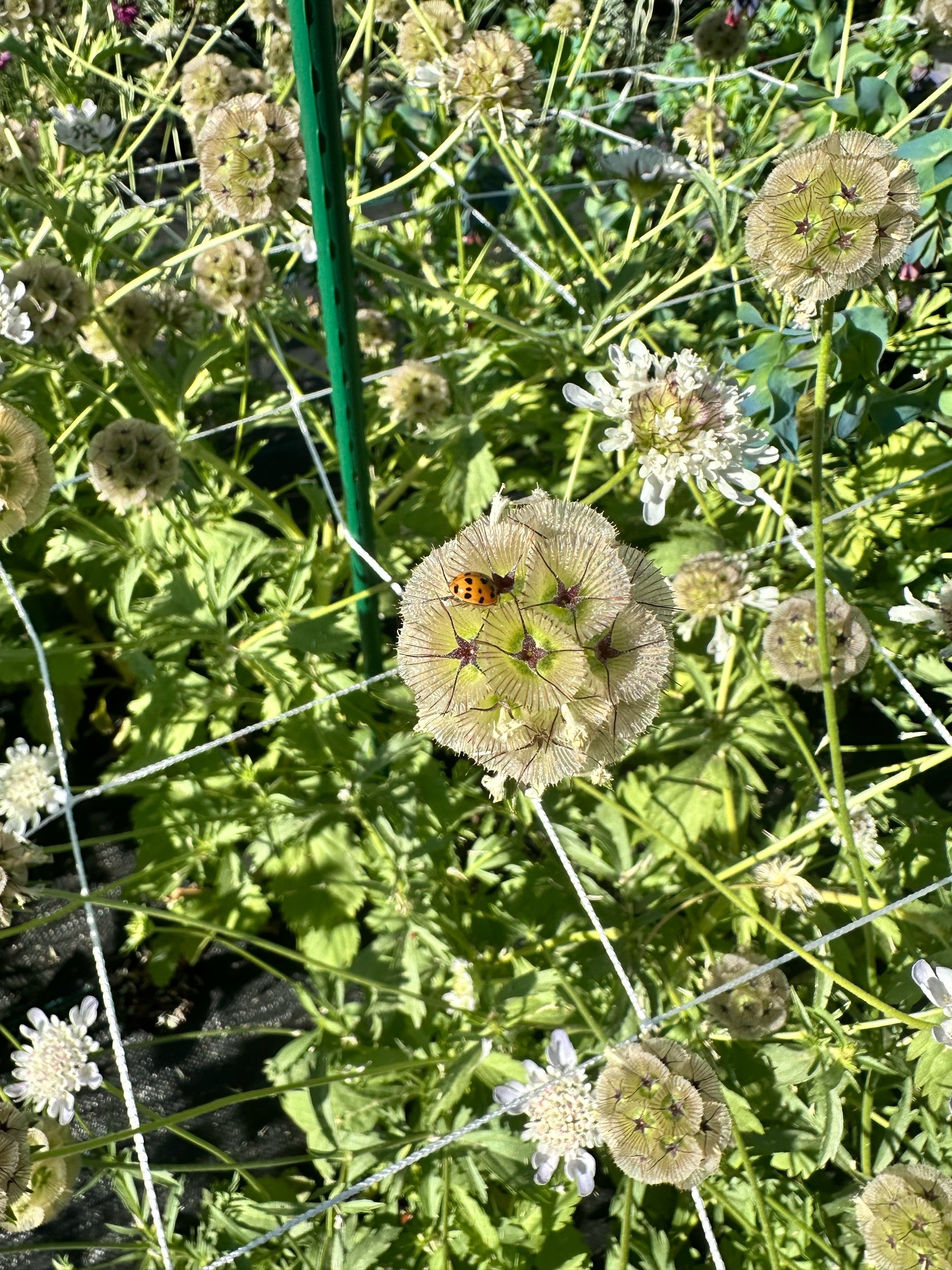
Unusual textural cut flower.
Small pale blue blossoms on wiry stems transform into highly decorative bronze-colored geometric and globe-shaped seed heads. Plants are grown primarily for the papery seed pods, which are useful for both fresh and dried bouquets. Also known as drumstick flower.
Specs:
Plant Height: 28–36"
2” soil block
LIGHT PREFERENCE:
Sun.
PLANT HEIGHT:
24-36". Plant supports (such as Hortonova used as a horizontal trellis) are required.
PLANT SPACING:
9-15".
HARDINESS ZONES:
Annual.
HARVEST:
Scabiosa atropurpurea: Flowers almost fully open. Scabiosa stellata: Fresh-cut or dried: Harvest when seed heads are light green with dark-bronze edges and the star-shaped centers are just turning black. If harvested after the centers have fully turned, or begun to fall out, the seed head will shatter and will not be useful.
SOIL REQUIREMENTS:
Rich, well-drained soil.
USES:
Excellent cut flower. Back of beds and borders.
Scabiosa atropurpurea, Scabiosa stellata
Mourning bride, drumstick flower
SEED SOURCE:
*Item description and growing information sourced from the seed company and linked accordingly
** if there are no images of the product it means that I have not grown that specific variety in the past. product images are available to review on the seed company’s website
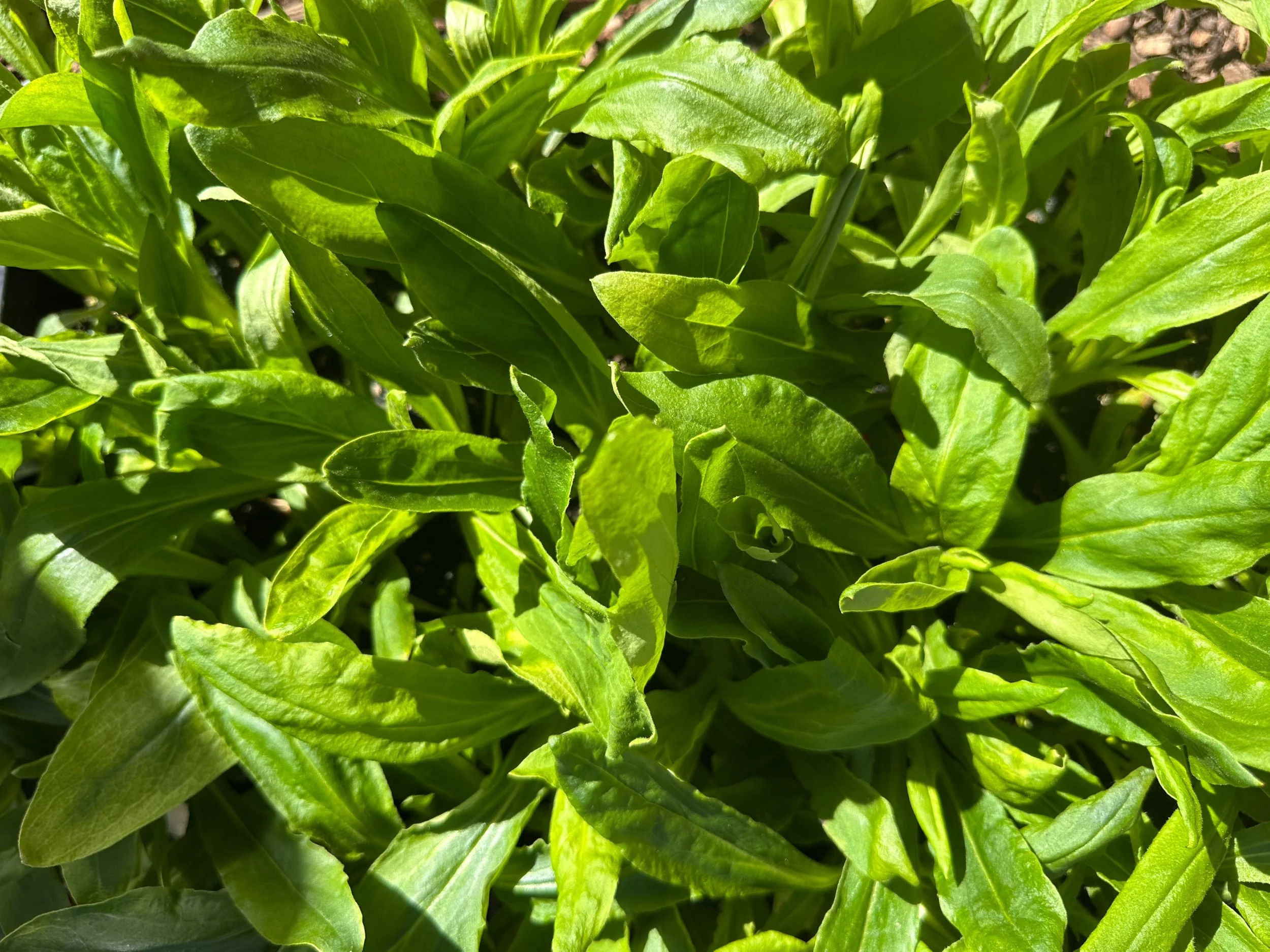
Attractive mix of salmon, peach, coral, and orange hues. Long stems and very long-lasting cut, field (past frost) and dried flowers. Attract a diversity of pollinators.
Highly productive and versatile, these tall, branching plants yield an abundance of double blooms, each measuring about 2 to 2½ inches wide. They’re an excellent choice for both fresh bouquets and dried arrangements. Frequent harvesting or deadheading will encourage continued flowering and higher overall yields. Also known as bracted strawflower.
Specs:
Plant Height: 36–40"
2” soil block
LIGHT PREFERENCE:
Sun.
PLANT HEIGHT:
36-40". May require some support.
PLANT SPACING:
10-12".
HARDINESS ZONES:
Annual.
STEM LENGTH:
12-20".
VASE LIFE:
7-10 days.
STORAGE TEMPERATURE:
70-75°F (21-24°C).
HARVEST:
For best results, cut stems when the flowers have opened to show 2–3 layers of petals, but before the center becomes visible. Stage matters—blooms that are too mature may look ready, especially after closing at night or on cloudy days, but will reopen in brighter light and reveal that they’ve passed their ideal cutting window.
To minimize picking overmature blooms:
Harvest during sunny morning conditions, or
Allow freshly cut stems to rest in a bright space for a few hours to confirm their stage
Flowers that are past their prime should be removed, particularly if you plan to dry them. As blooms continue to open during the drying process, overly mature flowers are more likely to fade, lose structure, and shatter.
SOIL REQUIREMENTS:
Average soil with good drainage.
SEED SOURCE:
*Item description and growing information sourced from the seed company and linked accordingly
** if there are no images of the product it means that I have not grown that specific variety in the past. product images are available to review on the seed company’s website
Plants produce dark wine (almost black) flowers 2–2 1/2" across. Fully open blooms reveal contrasting fiery-orange center. Long stems and very long-lasting cut, field (past frost) and dried flowers. Attract a diversity of pollinators.
Highly productive and versatile, these tall, branching plants yield an abundance of double blooms, each measuring about 2 to 2½ inches wide. They’re an excellent choice for both fresh bouquets and dried arrangements. Frequent harvesting or deadheading will encourage continued flowering and higher overall yields. Also known as bracted strawflower.
Specs:
Plant Height: 36–40"
2” soil block
LIGHT PREFERENCE:
Sun.
PLANT HEIGHT:
36-40". May require some support.
PLANT SPACING:
10-12".
HARDINESS ZONES:
Annual.
STEM LENGTH:
12-20".
VASE LIFE:
7-10 days.
STORAGE TEMPERATURE:
70-75°F (21-24°C).
HARVEST:
For best results, cut stems when the flowers have opened to show 2–3 layers of petals, but before the center becomes visible. Stage matters—blooms that are too mature may look ready, especially after closing at night or on cloudy days, but will reopen in brighter light and reveal that they’ve passed their ideal cutting window.
To minimize picking overmature blooms:
Harvest during sunny morning conditions, or
Allow freshly cut stems to rest in a bright space for a few hours to confirm their stage
Flowers that are past their prime should be removed, particularly if you plan to dry them. As blooms continue to open during the drying process, overly mature flowers are more likely to fade, lose structure, and shatter.
SOIL REQUIREMENTS:
Average soil with good drainage.
SEED SOURCE:
*Item description and growing information sourced from the seed company and linked accordingly
** if there are no images of the product it means that I have not grown that specific variety in the past. product images are available to review on the seed company’s website
Profuse bloomers for fresh or dried arrangements.
The strawflower name does not disappoint; these flowers really do appear like colored straw. Double blooms 2"–2 ½" across in rose, salmon, yellow, gold, scarlet, red, silver, and white. An everlasting cut flower, the stiff, papery bracts never wilt! Swiss Giants are extra-large, double blooms on long stems in many delightfully bright shades; great for borders and attracting pollinators. Plants thrive in heat and tolerate drought. Attract a diversity of pollinators.
Specs:
Plant Height: 36–40"
2” soil block
LIGHT PREFERENCE:
Sun.
PLANT HEIGHT:
36-40". May require some support.
PLANT SPACING:
10-12".
HARDINESS ZONES:
Annual.
STEM LENGTH:
12-20".
VASE LIFE:
7-10 days.
STORAGE TEMPERATURE:
70-75°F (21-24°C).
HARVEST:
Keep blooms harvested or deadheaded for optimal yields. Fresh or dried: Cut when 2-3 layers of petals have unfolded but before flowers fully open to reveal center. Note: Blooms that are very open, past optimal maturity, will close in the dark of night and on dark, overcast days. These blooms can appear as if they are at the at a good stage for cutting, though they are overmature. To avoid these misleading blooms, harvest on bright mornings or let your harvested blooms set in light for a few hours. Overmature blooms should open back up for identification and discard. Avoiding overmature blooms is especially important if being used for drying as blooms continue to open during the drying process. When dried, overmature blooms will shatter (fall apart) and appear discolored.
SOIL REQUIREMENTS:
Average soil with good drainage.
SEED SOURCE:
*Item description and growing information sourced from the seed company and linked accordingly
** if there are no images of the product it means that I have not grown that specific variety in the past. product images are available to review on the seed company’s website
This variety is also known as Pomegranate. Long stems and very long-lasting cut, field (past frost) and dried flowers. Attract a diversity of pollinators.
Highly productive and versatile, these tall, branching plants yield an abundance of double blooms, each measuring about 2 to 2½ inches wide. They’re an excellent choice for both fresh bouquets and dried arrangements. Frequent harvesting or deadheading will encourage continued flowering and higher overall yields. Also known as bracted strawflower.
Specs:
Plant Height: 36–40"
2” soil block
LIGHT PREFERENCE:
Sun.
PLANT HEIGHT:
36-40". May require some support.
PLANT SPACING:
10-12".
HARDINESS ZONES:
Annual.
STEM LENGTH:
12-20".
VASE LIFE:
7-10 days.
STORAGE TEMPERATURE:
70-75°F (21-24°C).
HARVEST:
For best results, cut stems when the flowers have opened to show 2–3 layers of petals, but before the center becomes visible. Stage matters—blooms that are too mature may look ready, especially after closing at night or on cloudy days, but will reopen in brighter light and reveal that they’ve passed their ideal cutting window.
To minimize picking overmature blooms:
Harvest during sunny morning conditions, or
Allow freshly cut stems to rest in a bright space for a few hours to confirm their stage
Flowers that are past their prime should be removed, particularly if you plan to dry them. As blooms continue to open during the drying process, overly mature flowers are more likely to fade, lose structure, and shatter.
SOIL REQUIREMENTS:
Average soil with good drainage.
SEED SOURCE:
*Item description and growing information sourced from the seed company and linked accordingly
** if there are no images of the product it means that I have not grown that specific variety in the past. product images are available to review on the seed company’s website
Profuse bloomers for fresh or dried arrangements.
The popular everlasting flower that is easy and fun to grow. These come in red, pink, salmon, lemon, white, lilac, and more! This Australian native plant was introduced to England in 1791 and many colors where developed by German horticulturist Herren Ebritsch in the mid-19th century. Great for floral craft projects and more! Attract a diversity of pollinators. Long stems and very long-lasting cut, field (past frost) and dried flowers.
Highly productive and versatile, these tall, branching plants yield an abundance of double blooms, each measuring about 2 to 2½ inches wide. They’re an excellent choice for both fresh bouquets and dried arrangements. Frequent harvesting or deadheading will encourage continued flowering and higher overall yields. Also known as bracted strawflower.
Specs:
Plant Height: 36–40"
2” soil block
LIGHT PREFERENCE:
Sun.
PLANT HEIGHT:
36-40". May require some support.
PLANT SPACING:
10-12".
HARDINESS ZONES:
Annual.
STEM LENGTH:
12-20".
VASE LIFE:
7-10 days.
STORAGE TEMPERATURE:
70-75°F (21-24°C).
HARVEST:
For best results, cut stems when the flowers have opened to show 2–3 layers of petals, but before the center becomes visible. Stage matters—blooms that are too mature may look ready, especially after closing at night or on cloudy days, but will reopen in brighter light and reveal that they’ve passed their ideal cutting window.
To minimize picking overmature blooms:
Harvest during sunny morning conditions, or
Allow freshly cut stems to rest in a bright space for a few hours to confirm their stage
Flowers that are past their prime should be removed, particularly if you plan to dry them. As blooms continue to open during the drying process, overly mature flowers are more likely to fade, lose structure, and shatter.
SOIL REQUIREMENTS:
Average soil with good drainage.
SEED SOURCE:
*Item description and growing information sourced from the seed company and linked accordingly
** if there are no images of the product it means that I have not grown that specific variety in the past. product images are available to review on the seed company’s website
Blooms are shades of hot pink and rose at the petal tips. Long stems and very long-lasting cut, field (past frost) and dried flowers. Attract a diversity of pollinators.
Highly productive and versatile, these tall, branching plants yield an abundance of double blooms, each measuring about 2 to 2½ inches wide. They’re an excellent choice for both fresh bouquets and dried arrangements. Frequent harvesting or deadheading will encourage continued flowering and higher overall yields. Also known as bracted strawflower.
Specs:
Plant Height: 36–40"
2” soil block
LIGHT PREFERENCE:
Sun.
PLANT HEIGHT:
36-40". May require some support.
PLANT SPACING:
10-12".
HARDINESS ZONES:
Annual.
STEM LENGTH:
12-20".
VASE LIFE:
7-10 days.
STORAGE TEMPERATURE:
70-75°F (21-24°C).
HARVEST:
For best results, cut stems when the flowers have opened to show 2–3 layers of petals, but before the center becomes visible. Stage matters—blooms that are too mature may look ready, especially after closing at night or on cloudy days, but will reopen in brighter light and reveal that they’ve passed their ideal cutting window.
To minimize picking overmature blooms:
Harvest during sunny morning conditions, or
Allow freshly cut stems to rest in a bright space for a few hours to confirm their stage
Flowers that are past their prime should be removed, particularly if you plan to dry them. As blooms continue to open during the drying process, overly mature flowers are more likely to fade, lose structure, and shatter.
SOIL REQUIREMENTS:
Average soil with good drainage.
SEED SOURCE:
*Item description and growing information sourced from the seed company and linked accordingly
** if there are no images of the product it means that I have not grown that specific variety in the past. product images are available to review on the seed company’s website
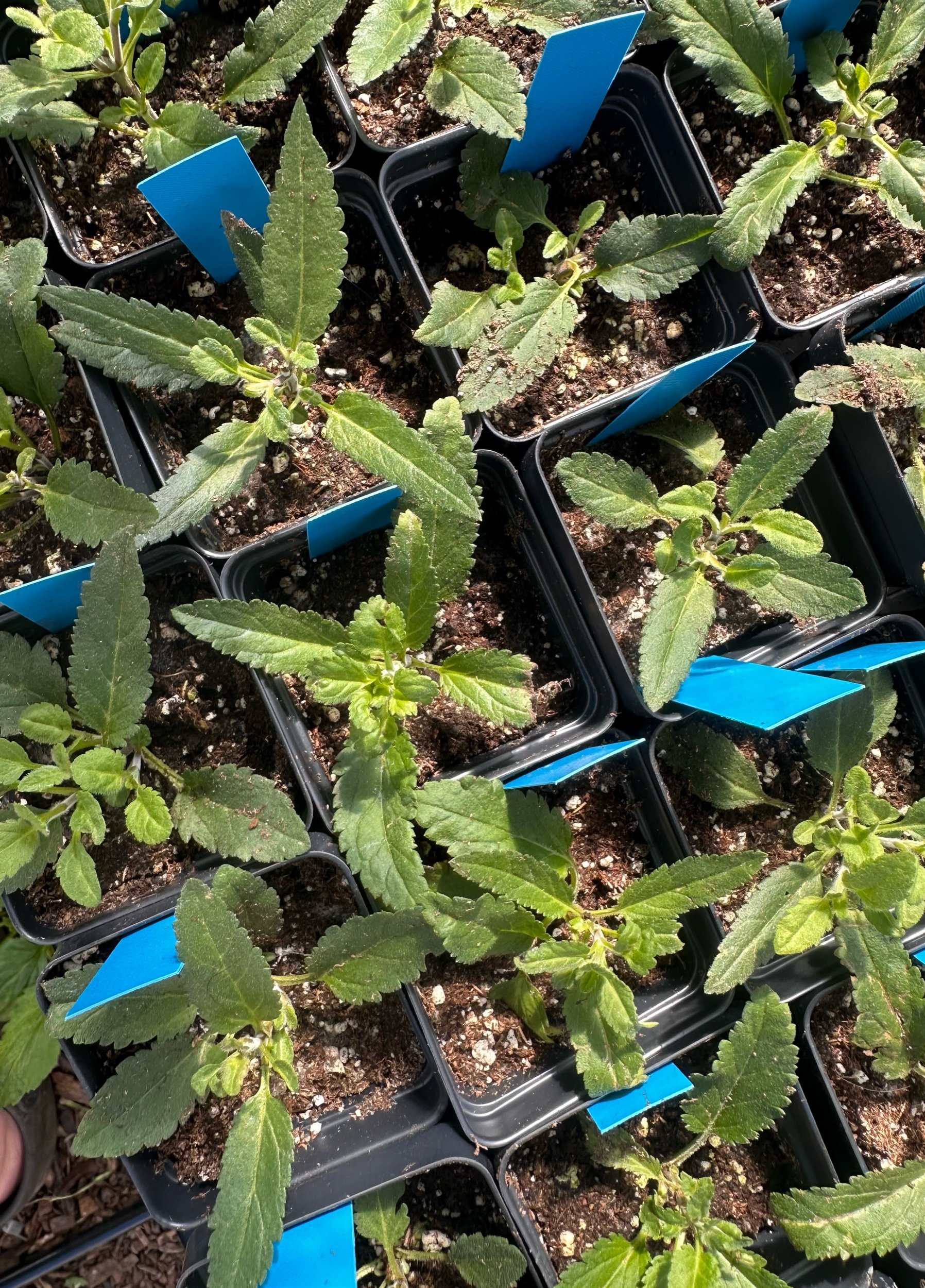
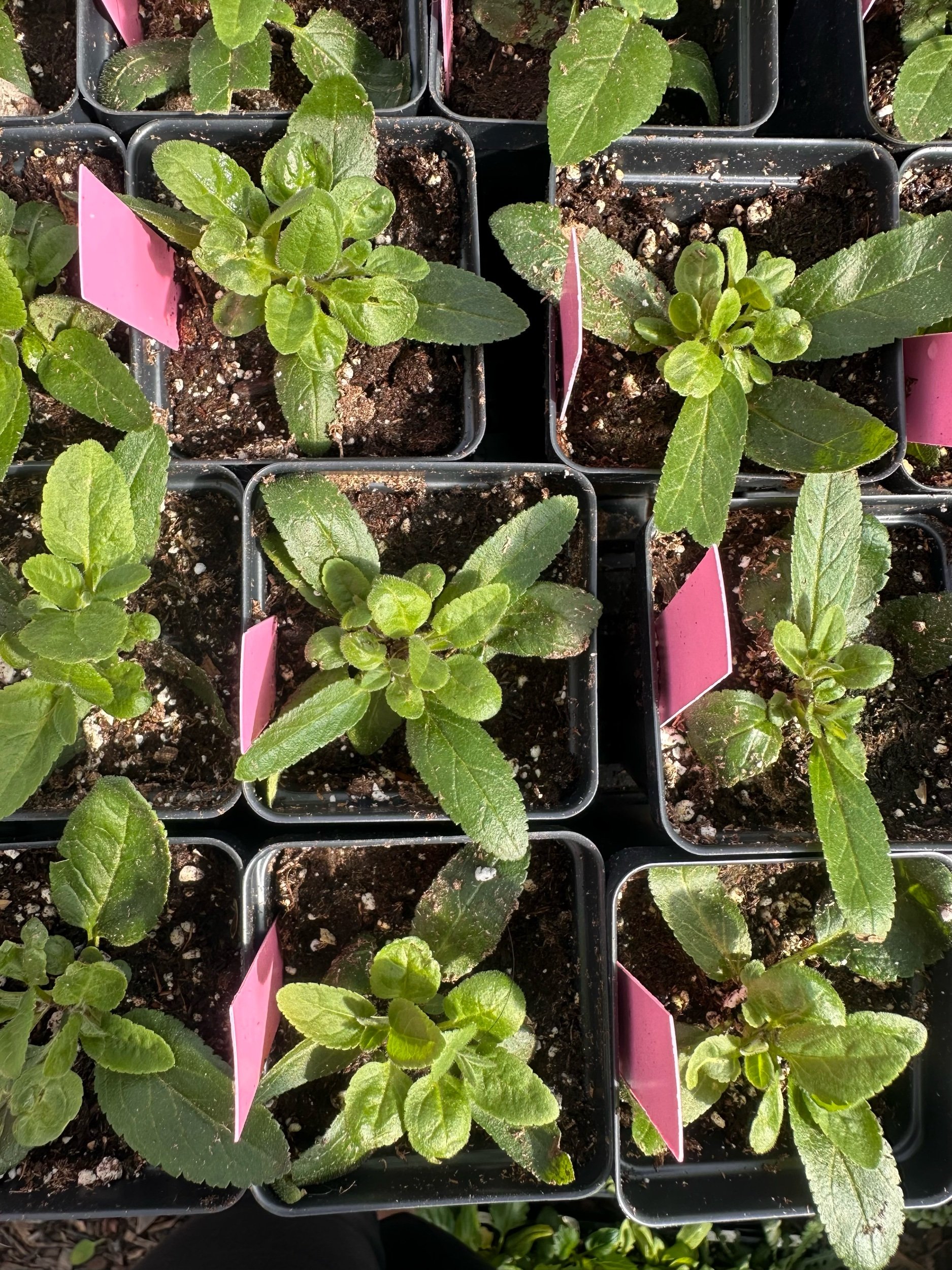
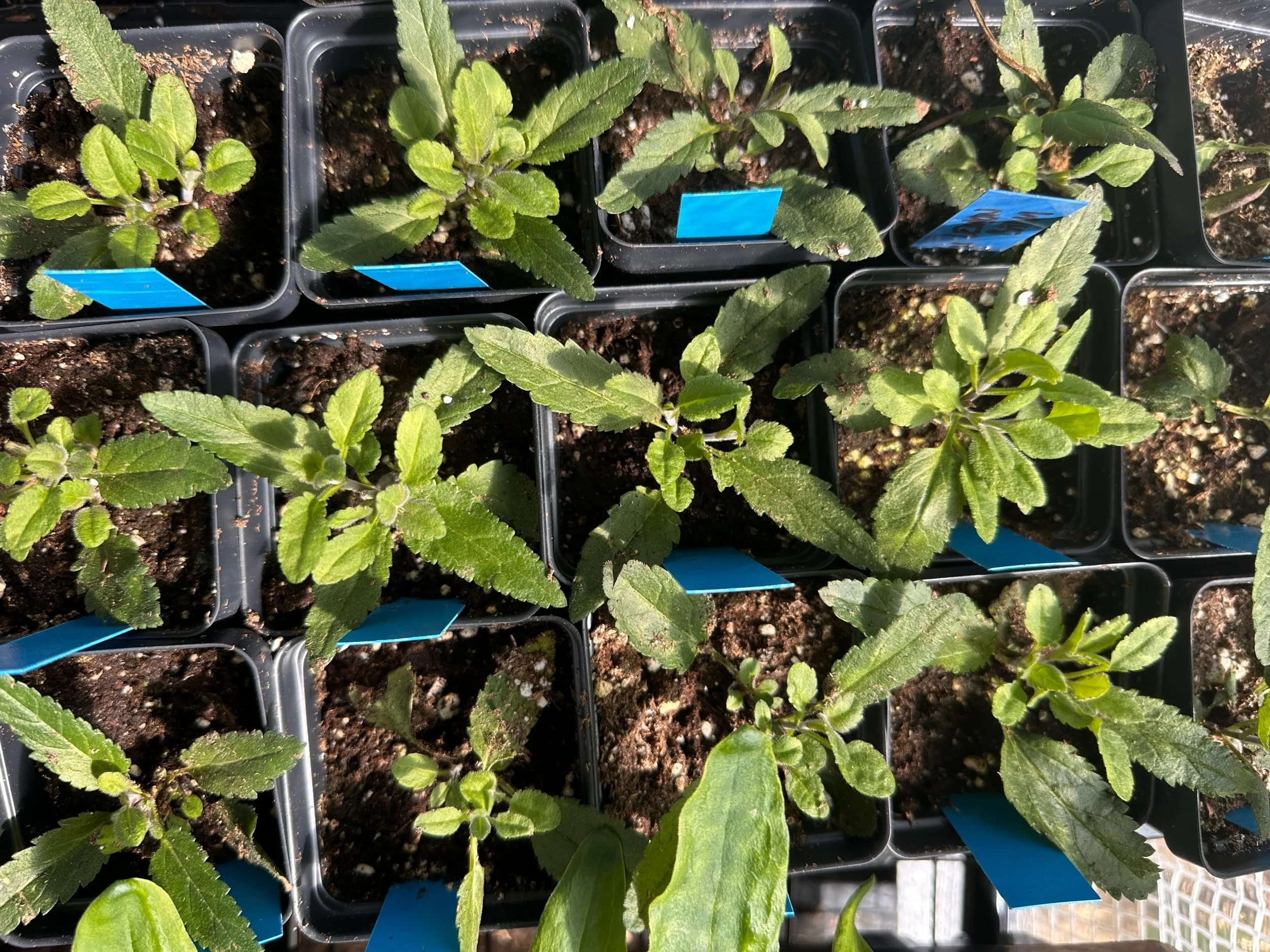
The only Veronica you need to know about. The Skyler™ series needs no vernalization and blooms freely the first year. It re-blooms after each cut. (Cut all the way to the ground at harvest time to encourage regrowth.) Skyler is fully winter hardy. Bred by Danziger of Israel.
Plugs sourced from Gro ‘n Sell/Farmer Bailey and then lovingly grown to have a larger root ball filling a 2.5” pot.
Specs:
Plant Height: 18-30"
2.5” pot
Genus Veronica
Species
longifolia
Family
Plantaginaceae
Netting / Staking
No
Temperature Range
-35 to 90
Spacing
9"
Soil Preference
Well drained, generally fertile soil.
Day Length
Day Neutral
Pinching
If the plant is not already branching, pinch once growth has resumed after transplant.
When to Plant
Spring or Fall. Quite adaptable.
Harvesting
Cut when the spike is 1/3 open. Harvest the entire plant, all the way to the ground to encourage rebloom.
Post Harvest Care
Holding solution in the cooler.
Diseases / Insects
Generally pest free.
Bailey's Notes
The Skyler series does not need a cold winter period, unlike other Veronica longifolia cultivars. It will flower the first year from planting. Cut to the ground, and it will generally send out an additional flush of flowers. Depending on location you may harvest 2-4 flushes of flowers per year. It is fully hardy. In its second and third years, you will see many more stems emerge as the plant spreads. You may need to replace them every 4 or 5 years if production declines.
PLUG SOURCE:
*Item description and growing information sourced from the seed company and linked accordingly
** if there are no images of the product it means that I have not grown that specific variety in the past. product images are available to review on the seed company’s website
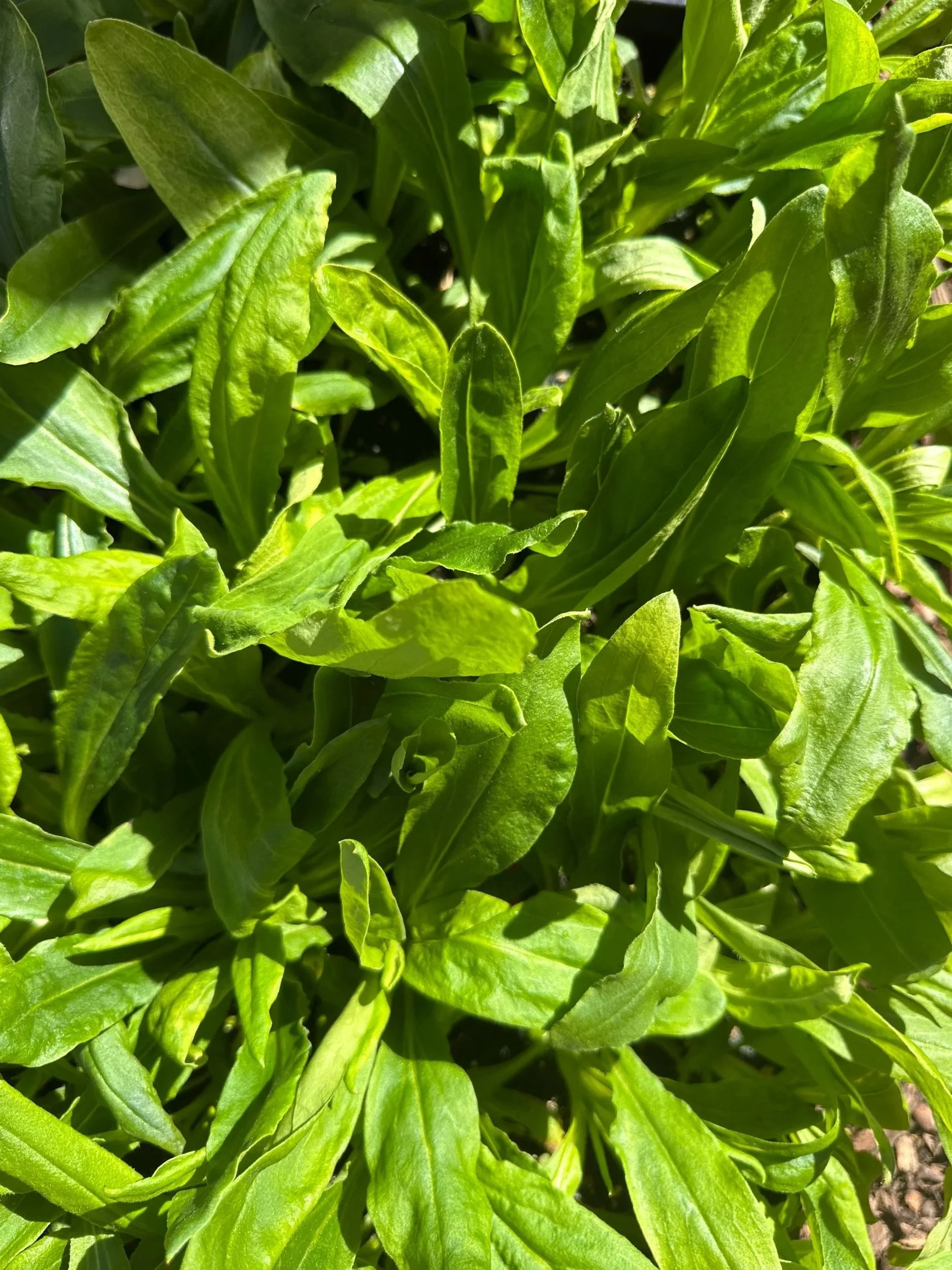
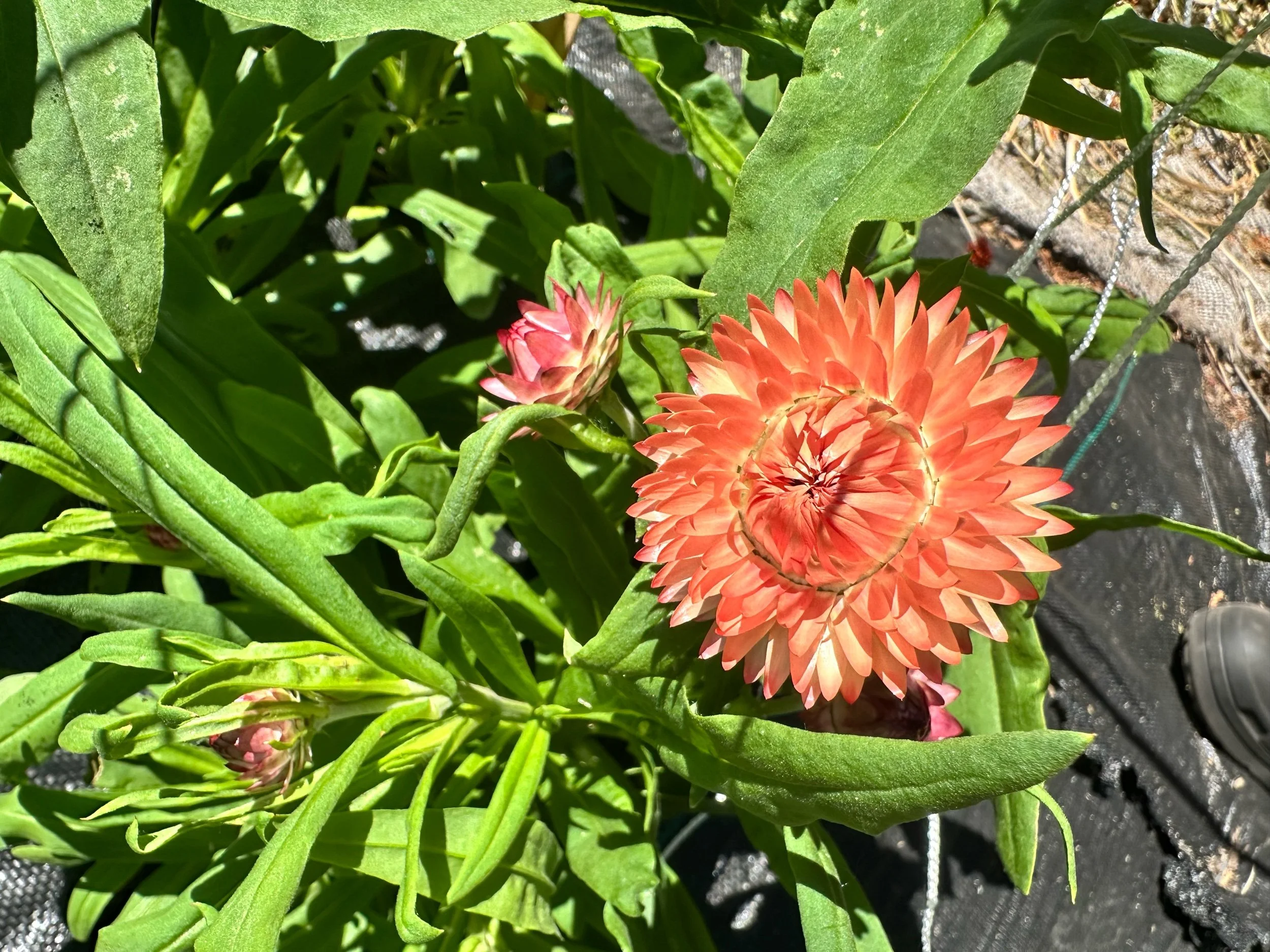
The color range includes yellows, peach, oranges, dusty rose, and reds, ever changing through the plant’s evolution. Long stems and very long-lasting cut, field (past frost) and dried flowers. Attract a diversity of pollinators.
Highly productive and versatile, these tall, branching plants yield an abundance of double blooms, each measuring about 2 to 2½ inches wide. They’re an excellent choice for both fresh bouquets and dried arrangements. Frequent harvesting or deadheading will encourage continued flowering and higher overall yields. Also known as bracted strawflower.
Specs:
Plant Height: 36–40"
2” soil block
LIGHT PREFERENCE:
Sun.
PLANT HEIGHT:
36-40". May require some support.
PLANT SPACING:
10-12".
HARDINESS ZONES:
Annual.
STEM LENGTH:
12-20".
VASE LIFE:
7-10 days.
STORAGE TEMPERATURE:
70-75°F (21-24°C).
HARVEST:
For best results, cut stems when the flowers have opened to show 2–3 layers of petals, but before the center becomes visible. Stage matters—blooms that are too mature may look ready, especially after closing at night or on cloudy days, but will reopen in brighter light and reveal that they’ve passed their ideal cutting window.
To minimize picking overmature blooms:
Harvest during sunny morning conditions, or
Allow freshly cut stems to rest in a bright space for a few hours to confirm their stage
Flowers that are past their prime should be removed, particularly if you plan to dry them. As blooms continue to open during the drying process, overly mature flowers are more likely to fade, lose structure, and shatter.
SOIL REQUIREMENTS:
Average soil with good drainage.
SEED SOURCE:
*Item description and growing information sourced from the seed company and linked above
** if there are no images of the product it means that I have not grown that specific variety in the past or don’t have a decent photo readily available. product images are available to review on the seed company’s website
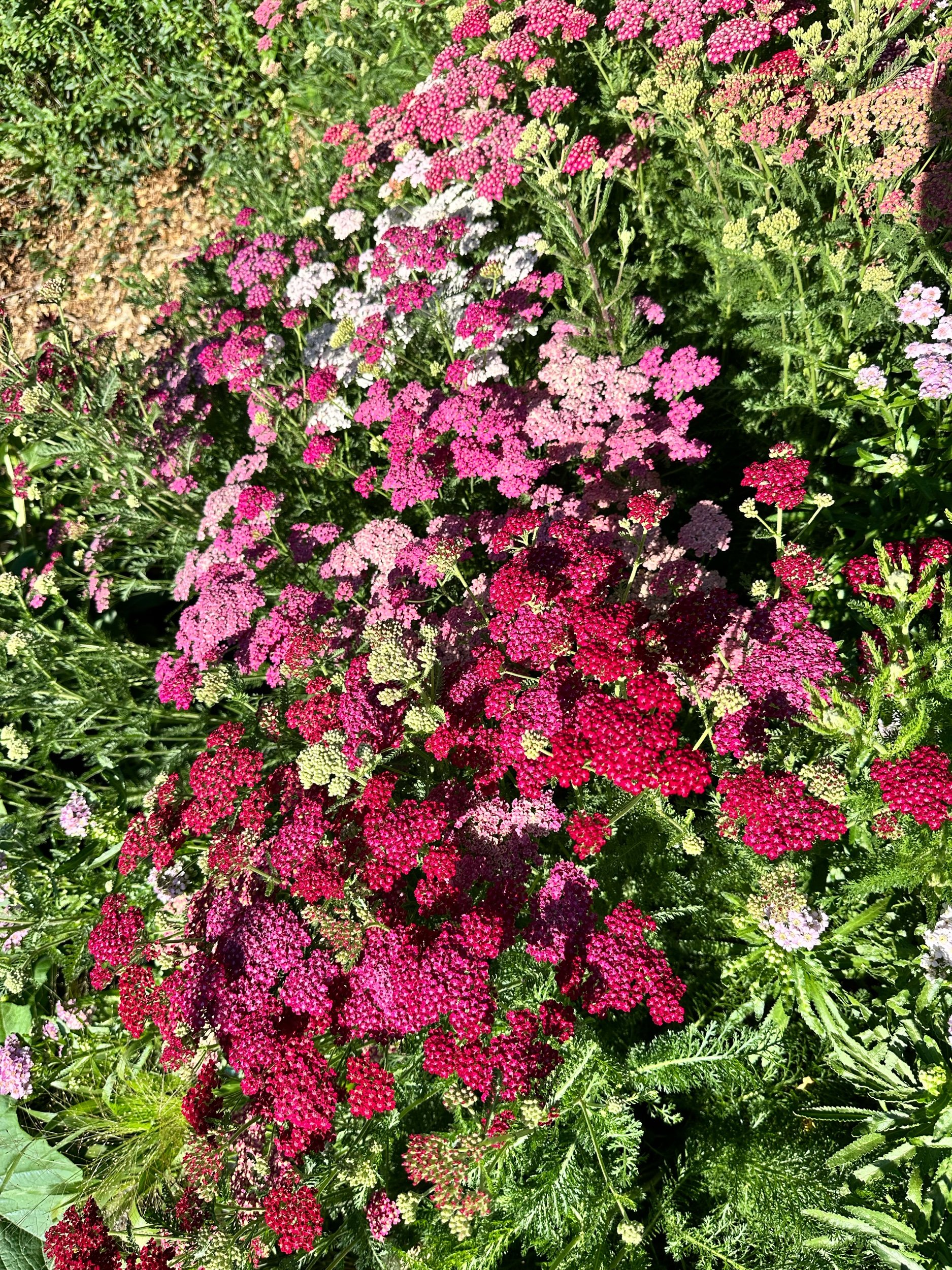
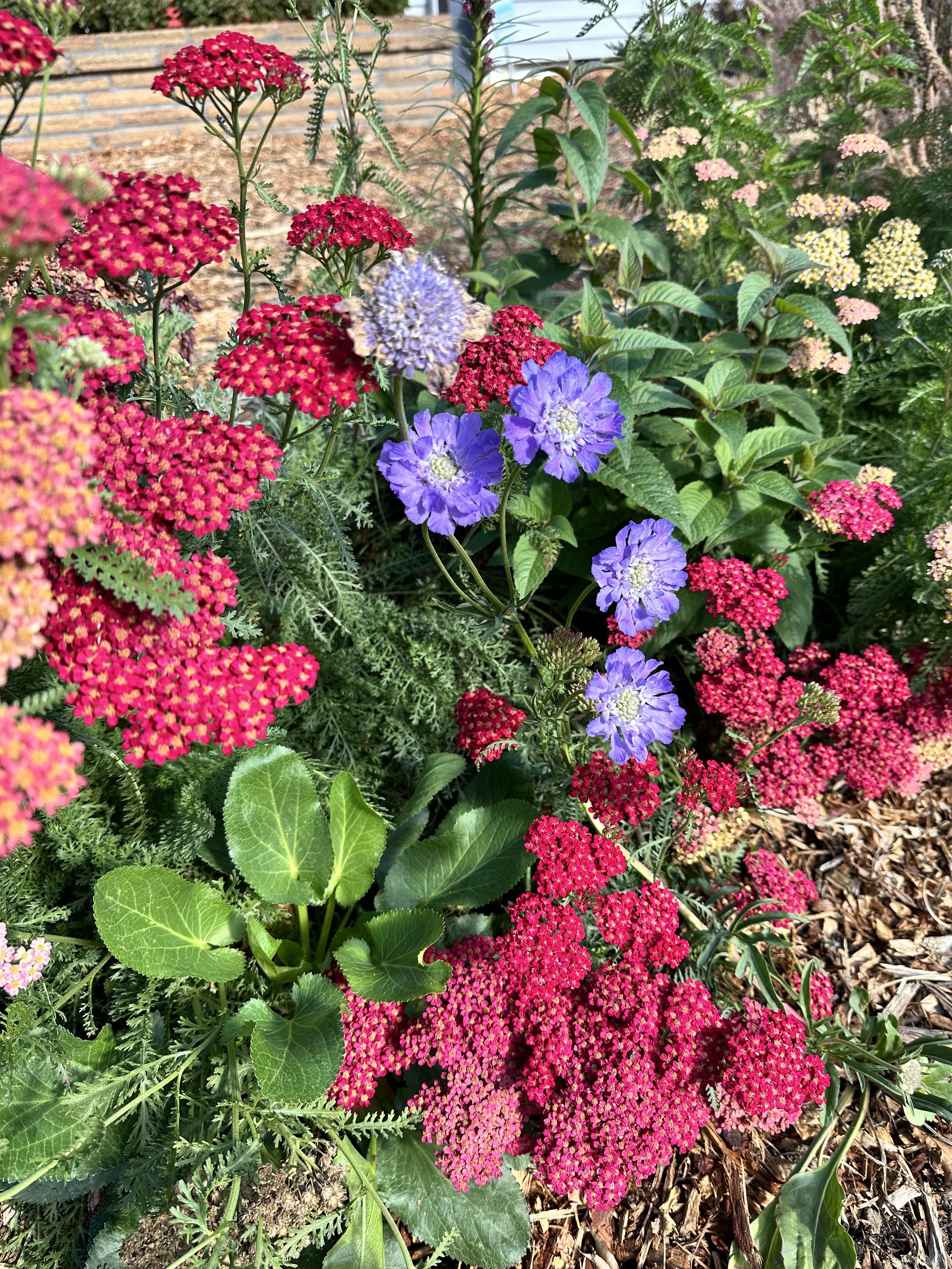
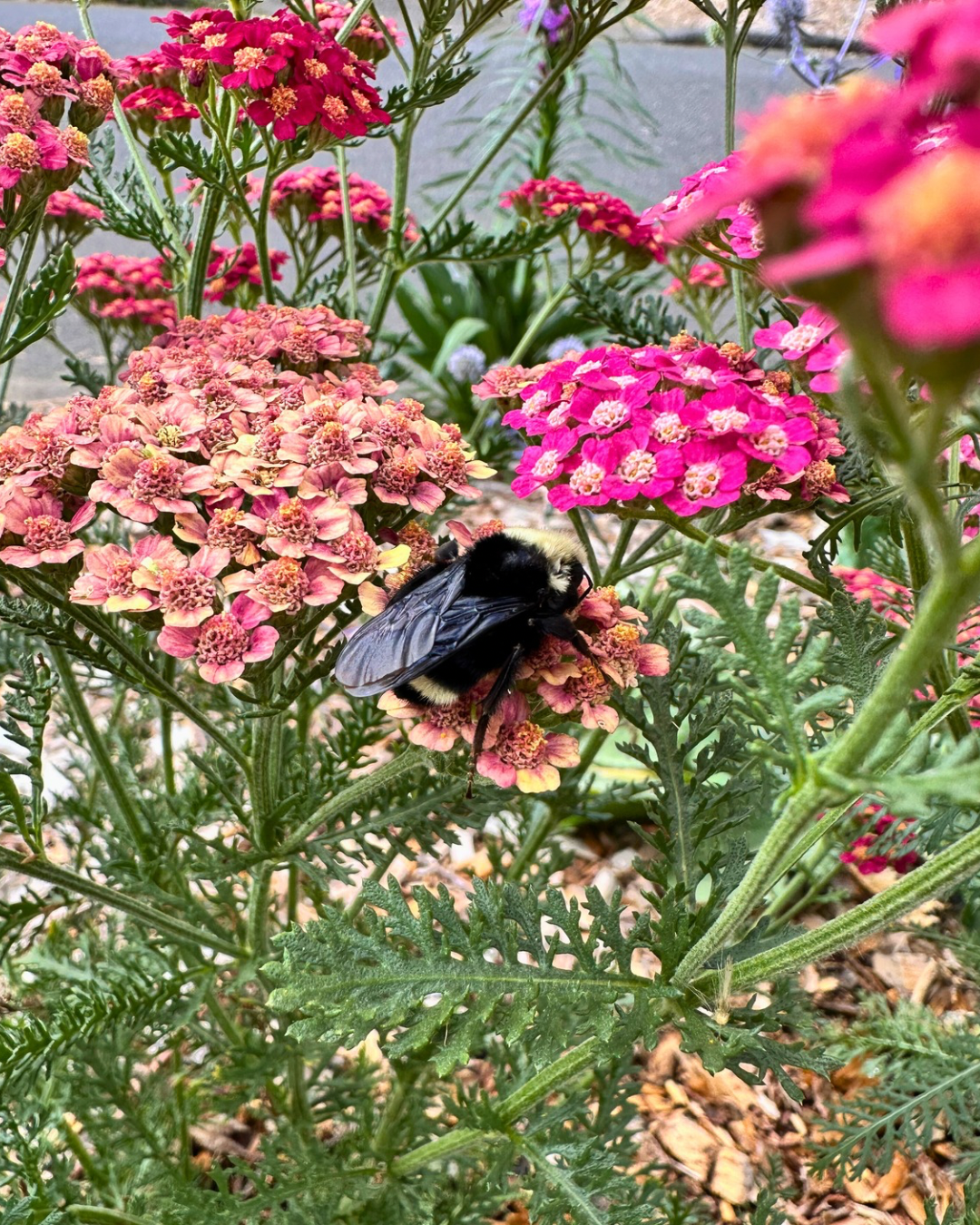
Long-lasting perennial in mostly red, rose, and lavender shades. Blooms make excellent cut flowers and reliable perennial garden plants with decorative, fern-like foliage. As cut flowers, the 2–4" flat-topped flower heads on 24" stems add bulk, durability, and beauty to bouquets. Long vase life. Flowerburst™ Red Shades is an F2 population. Flowers first year from seed. Low maintenance. Tolerates drought once established. Perennial in Zones 2–9.
Attracts and supports beneficial insects such as damsel bugs, lacewings, lady beetles, and parasitic wasps.
Specs:
Plant Height: 28–30"
LIGHT PREFERENCE:
Sun. Tolerant of part shade in garden beds.
PLANT HEIGHT:
28-30". May require support.
PLANT SPACING:
12-24".
HARDINESS ZONES:
Zones 2-9.
VASE LIFE:
7-12 days.
HARVEST:
When pollen is visible on the flowers. Hang to dry
SEED SOURCE:
*Item description and growing information sourced from the seed company and linked accordingly
** if there are no images of the product in bloom it means that I have not grown that specific variety in the past. product images are available to review on the seed company’s website
No results found
No results match your search. Try removing a few filters.